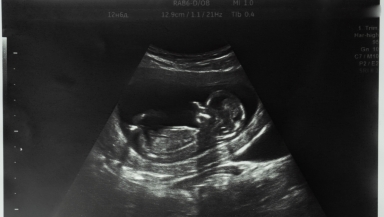
Abortion numbers across the UK rose to their highest level on record in 2023, according to newly released government data, prompting renewed calls from pro-life organisations for a national debate on abortion law and safeguards.
Statistics published by the Department of Health and Social Care (DHSC) show that 278,740 abortions took place in England and Wales in 2023, a 10.56% increase (26,000) compared with 2022. Of these, 277,970 abortions were by women resident in England and Wales.
When combined with record figures from Scotland and estimated totals from Northern Ireland, campaigners calculate that the UK-wide figure for 2023 stands at approximately 299,614 abortions.
In Scotland, official data show 18,242 abortions were carried out in 2023, while estimates based on Northern Ireland’s reporting periods suggest a further 2,632 procedures.
Together, the figures mark the highest annual total since the introduction of the Abortion Act in 1967.
Dawn McAvoy from Both Lives UK said the figures were “staggering”, pointing out that 277,970 abortions amounted to around 762 a day, or one every two minutes.
The data for England and Wales also indicate a notable increase in repeat abortions.
More than 117,000 procedures were carried out on women who had previously undergone at least one abortion, up from around 102,689 the year before. This means just over 42% of abortions involved repeat cases.
Figures relating to abortions carried out on the grounds of disability also rose. There were 3,205 such procedures in 2023, including 300 performed at 24 weeks’ gestation or later. Disability-based abortions included 735 involving babies diagnosed with Down’s syndrome, with 10 taking place beyond the 24-week threshold. The data also recorded 40 abortions for conditions such as cleft lip and cleft palate, though campaigners argue these figures are likely underreported.
Ms McAvoy said the two-year delay in publishing the figures had resulted in “significant data gaps”, especially around “abortions for disability and post-abortion complications”. She warned that the lack of clarity raised concerns about transparency, wider consequences for society and proposed policy changes, including the removal of in-person safeguards.
The report further shows that abortions paid for by the NHS and delivered through private services reached a new high of 225,790 — more than five times the number recorded in 1999. According to DHSC statistics, private providers performed around 81% of NHS-funded abortions in England and Wales in 2023.
Pro-life groups argue that the rise in numbers coincides with the expansion of at-home abortion services, which have been permanently available in England and Wales since 2022.
They say the removal of mandatory in-person consultations has weakened safeguards and increased risks for women, particularly in cases involving later gestations.
The publication of the figures comes as peers prepare to debate proposed changes to abortion law during the committee stage of the Crime and Policing Bill later this month.
One controversial amendment would remove criminal penalties for abortion at any stage of pregnancy. Other amendments seek to reinstall face-to-face medical appointments prior to the prescription of abortion pills.
Right To Life UK spokesperson Catherine Robinson called for a “national conversation” about abortion laws, arguing that current legislation no longer reflects public opinion.
The group points to polling suggesting strong support among women for lowering the abortion time limit, banning sex-selective abortion, and reinstating in-person medical consultations.
It cites polling released in The Telegraph indicating strong public backing for tighter safeguards around abortion. The survey found that around 66% of women back the reintroduction of in-person medical consultations, while just 4% are in support of retaining the current system. Support for proposals to fully decriminalise abortion stands at only 16%.
She warned that weakening safeguards could increase the risk of sex-selective abortions, arguing that such practices place women under pressure and discriminate against unborn girls.
Ms Robinson called the latest abortion figures “a national tragedy and national scandal”, saying the scale of abortion in the UK had far exceeded what lawmakers originally envisaged.
She said the data highlighted a need for greater support for women with unplanned pregnancies and stronger protections for unborn children.
“That almost 300,000 lives have been lost to abortion across the UK in just one year is a clear sign that something has gone very wrong in our society,” she said.
“Having children is essential to the future prosperity of our country. Children are to be prized and celebrated, with full support and compassion offered when pregnancies are unplanned.”
Similar concerns were raised by the Executive Director of SPUC Society for the Protection of Unborn Children (SPUC), Michael Robinson, who said the figures showed a sharp rise in “second and subsequent abortions”.
He questioned the accuracy of official data on post-abortion complications, citing freedom of information requests suggesting far higher levels of emergency callouts related to abortion than those recorded in government statistics.
Mr Robinson said that proposed legal changes would remove safeguards designed to protect women from coercion by an abusive partner or because the baby is deemed to be the wrong sex.
He added that the proposed legal changes also erode the security of medical oversight, and pointed to polling commissioned by the organisation indicating limited public support (one in eight) for full decriminalisation of abortion once the implications have been clearly explained.
Both groups have urged the House of Lords to reject amendments that would liberalise abortion law without full parliamentary scrutiny, and instead to consider reforms that prioritise medical oversight, transparency, and support services.
The abortion statistics for 2023 are the most comprehensive since the Covid-era changes to abortion provision became permanent, and they are likely to play a significant role in shaping parliamentary debate in the weeks ahead.