
World Vision and Action on Disability and Development (ADD) welcome the formal adoption of the UN Convention on the Rights and Dignity of Persons with Disabilities, as UN acknowledges 650 million disabled people with the 1st Human Rights treaty of the 21st century.
The human rights of disabled people will be drawn for the first time through the Convention, which will provide a recognised international standard for the rights and freedoms of disabled people around the world.
According to World Vision, there are over 480 million disabled people in developing countries.
The Convention has the potential to ensure that barriers to participation in society are removed so that disabled people are fully included in their own communities and in international development initiatives.
Isaac Kute, ADD's Chief Executive said, "We welcome the long overdue Convention and call on all governments to ratify this treaty as quickly as possible - disabled people have been 2nd class citizens for too long! In order for the Convention to make a practical difference to disabled people's lives governments need to take urgent steps to ensure this treaty is not left gathering dust on a shelf."
World Vision's Disability Adviser Sue Coe says: "This Convention will hopefully mean that the rights of disabled people, especially disabled children, will finally be taken seriously. Until now, governments have been slow to make good on their commitments to disabled children outlined in many other human rights treaties. For example, though all disabled children have a right to education through the UN Convention on the Rights of the Child, only 2% of disabled children in the developing world actually go to
school."
British Para-olympian athlete Anne Wafula-Strike, grew up in Kenya and was struck down with polio at the age of two. She says, "I threatened to quit school when I was a child because of a lack of adequate facilities and the way I was treated by society. We would particularly like to see governments take action to ensure that the 40 million disabled children currently out of school in developing countries are given the opportunity to receive a quality education which will enable them to reach their full potential in life."
Isaac added: "This new Convention provides the impetus for governments to ensure that disabled people are finally fully included in society. However, this will only happen if the Convention is implemented and monitored effectively once it has been ratified."
40% OFF
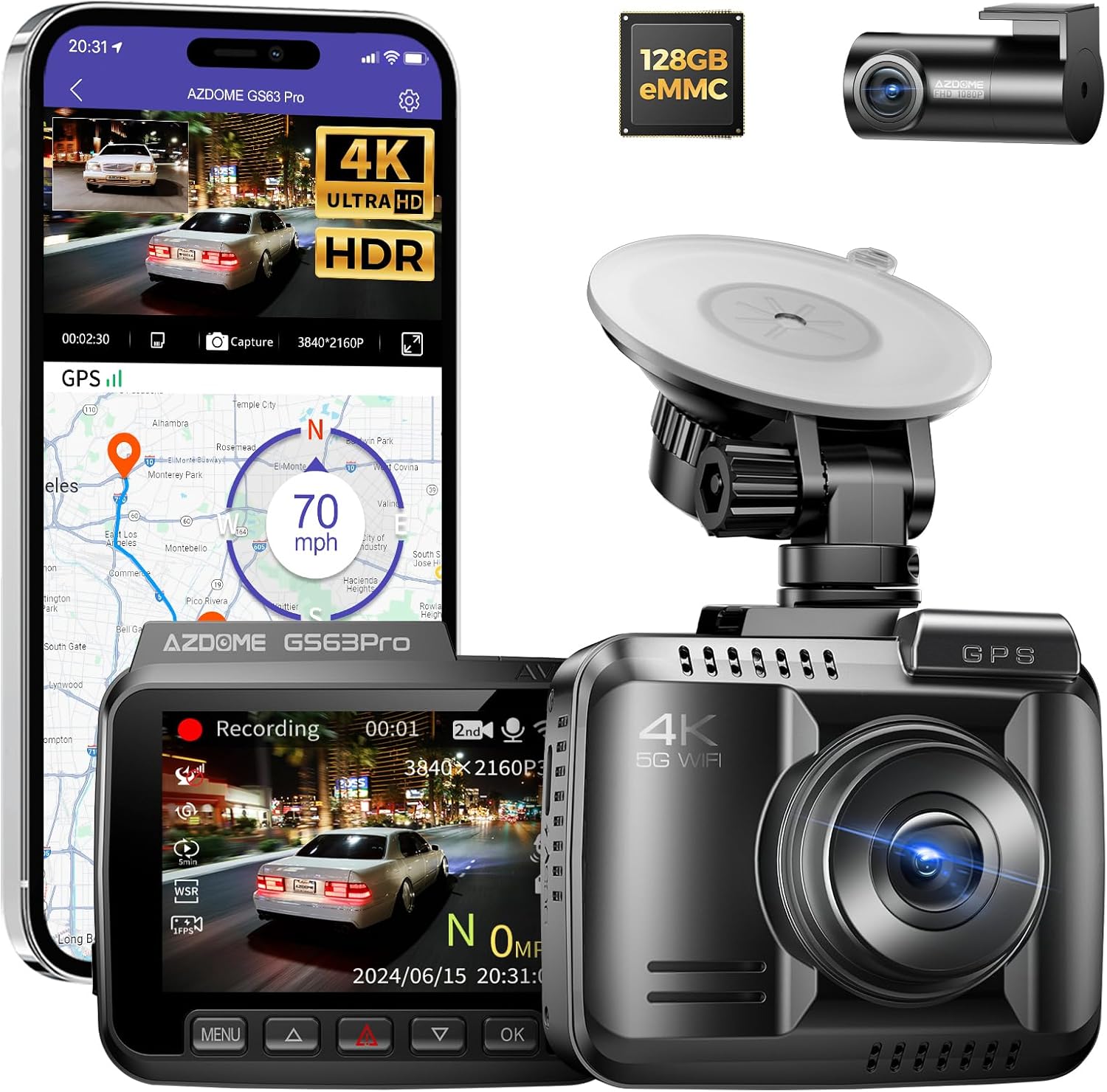
AZDOME GS63Pro 4K Dash Cam: 40% Off - Ultimate Driving Companion
$47.99 $79.99
52% OFF

Ekouaer Baggy Bib Overalls for Women - Loose Fit Jumpsuit with Adjustable Straps & 5 Pockets
$12 $24.99
60% OFF

Ekouaer Women's Satin Silky Pajama Set - Short Sleeve Pullover Top & Wide-Leg Pants
$13.99 $34.99
20% OFF

LIVOWALNY 200W Power Inverter for DeWALT 20V Battery - Portable 110V AC Outlet & USB-C Station
$23.89 $29.99
40% OFF
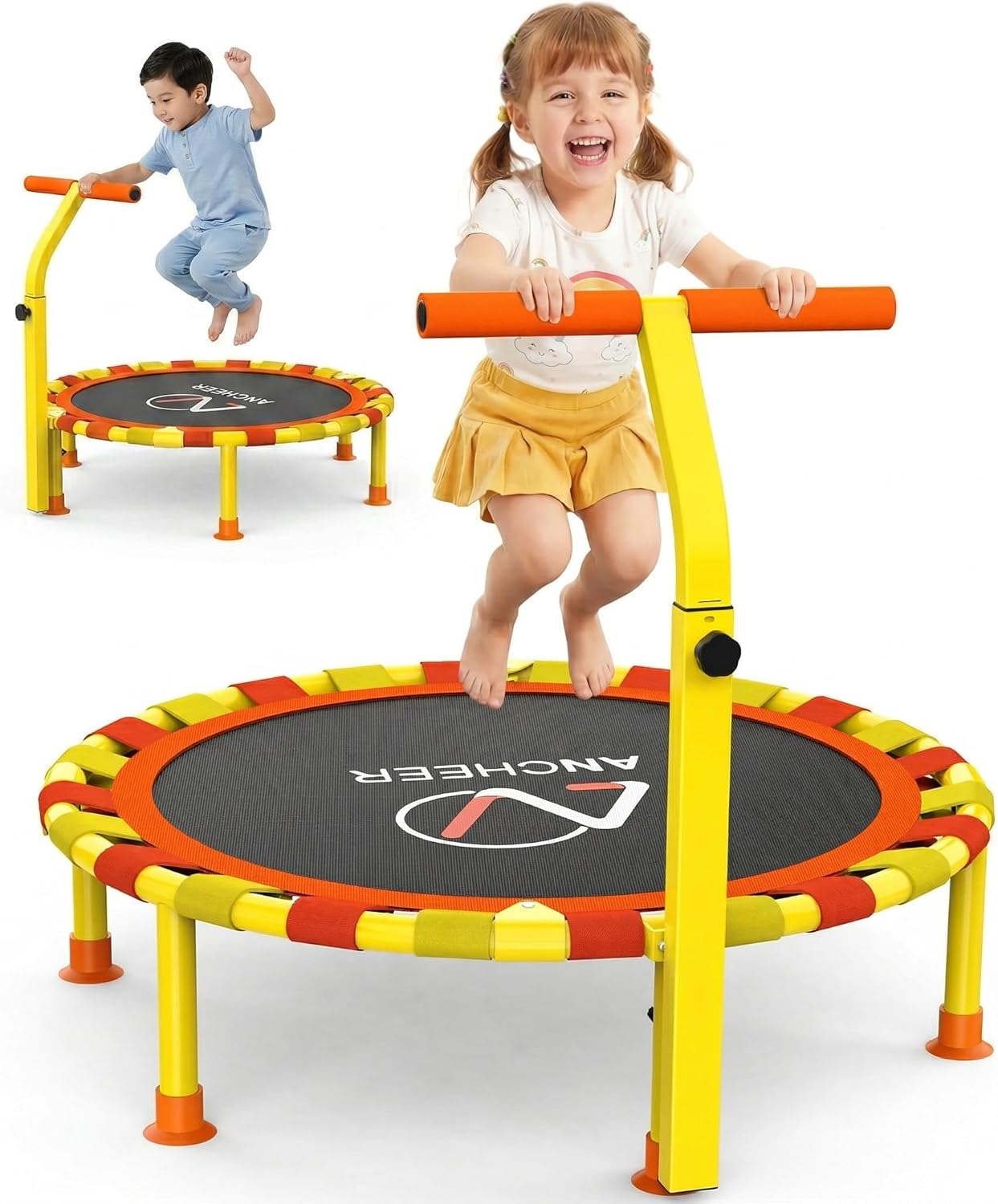
ANCHEER 38'' Toddler Trampoline - 150lb Capacity Foldable Mini Trampoline with Adjustable Handle
$47.99 $79.99
55% OFF

Ekouaer 3-Piece Maternity & Nursing Pajamas Set - Short Sleeve Top with Shorts and Pants
$14.99 $32.99

Gardner Pet 43" Heavy Duty Dog Crate with Wheels - Indestructible Folding Metal Cage (Black)
$0 $149.99
12% OFF

Elegant Mid-Century Modern Bar Stools - Set of 4
$395.99 $449.99
23% OFF
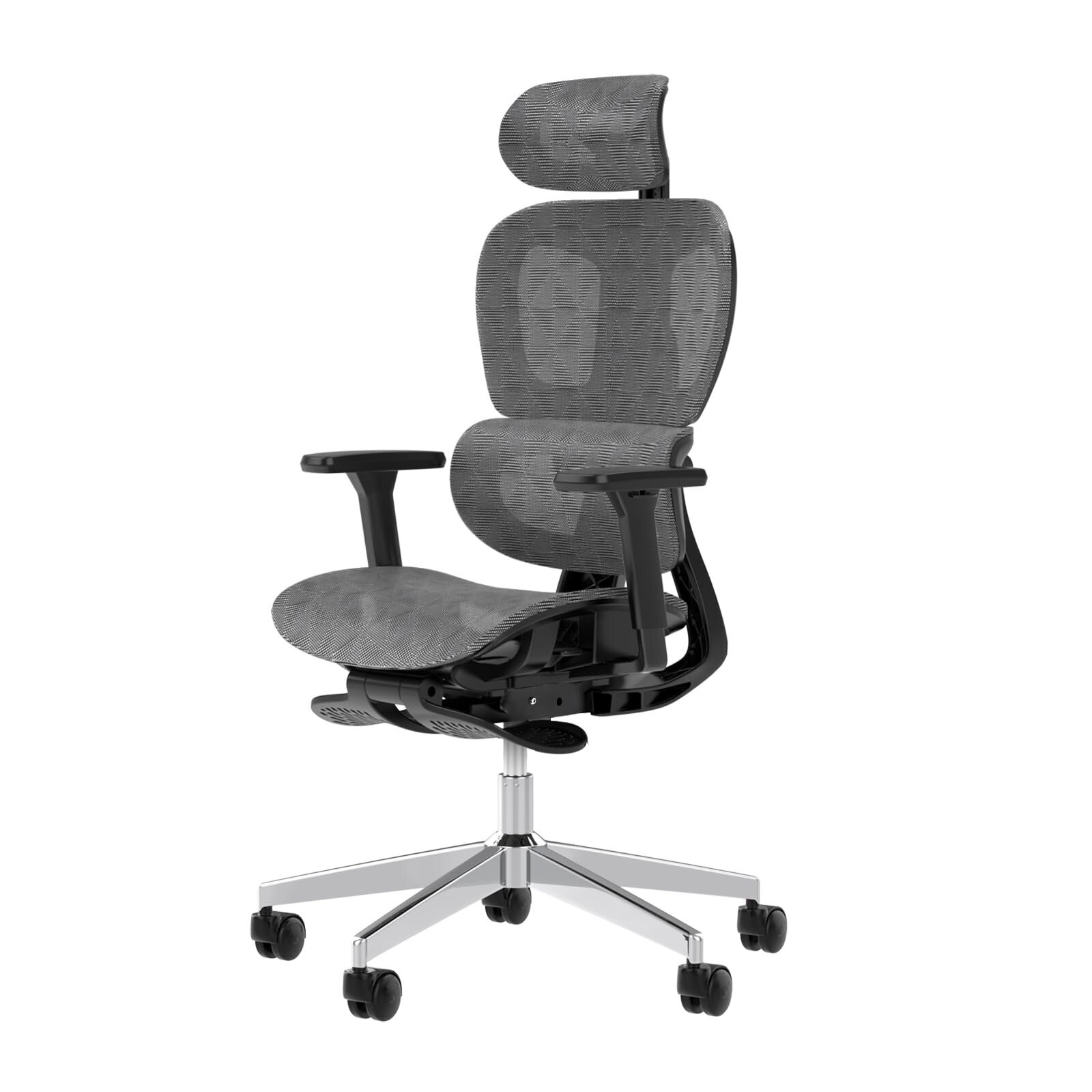
Ergonomic Office Chair - Big and Tall Desk Chair with Adjustable Lumbar Support
$279.99 $363.99
26% OFF
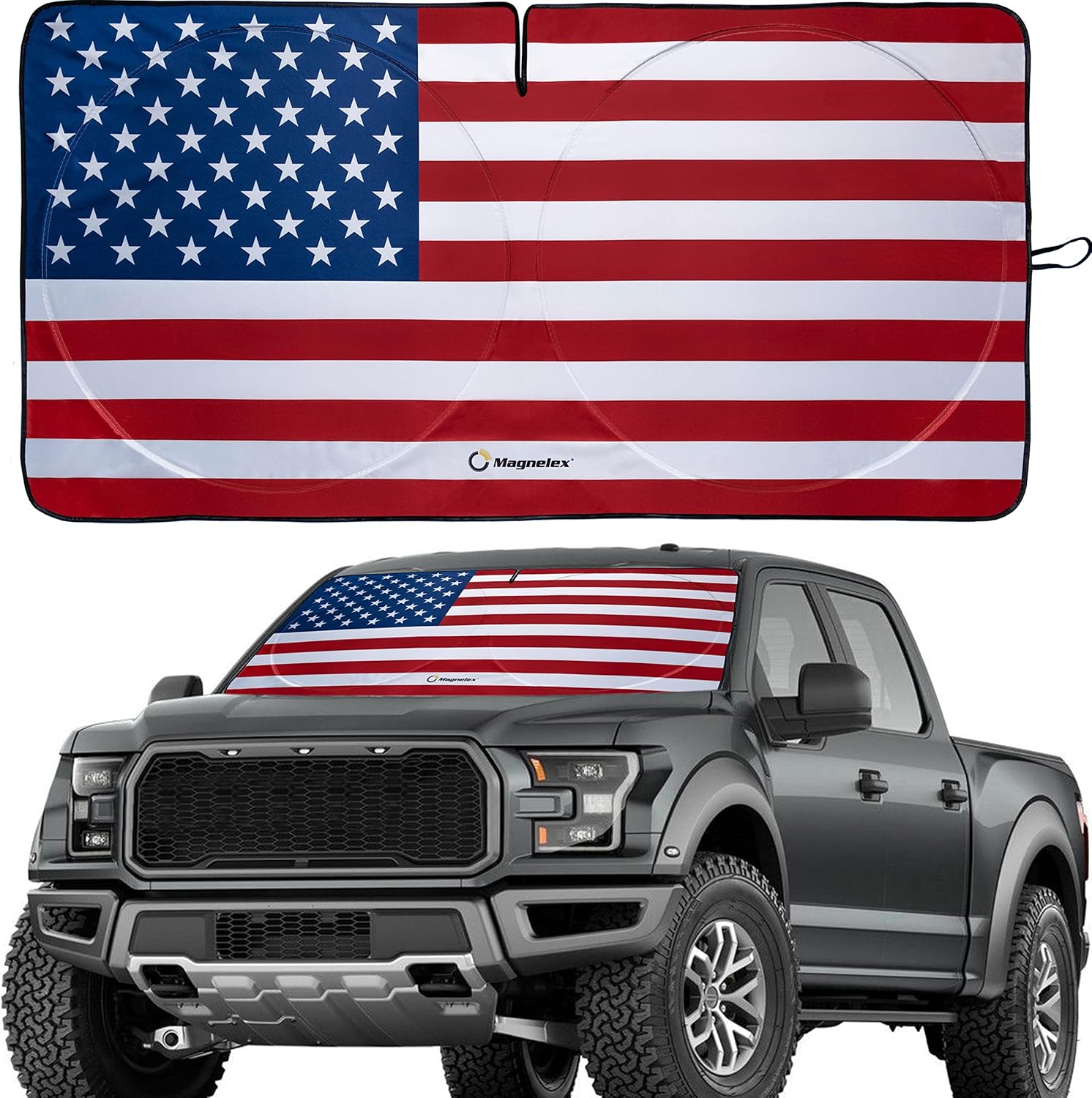
Magnelex American Flag Windshield Sun Shade - High-Resolution UV Reflective Heat Shield (X-Large)
$19.9 $26.9




-

Sam Allberry resigns after being 'disqualified' from ministry by church
-

'Dark day' as retired pastor is convicted for preaching John 3:16 near abortion facilities
-

Where is Scotland heading this week?
-

Brandon Lake and Nick Jonas team up for faith-based single
-

Council of Europe criticised over inadequate response to anti-Christian incidents
-

Church of England leaders must do more to support British Jews
Most Popular
related articles
World Vision Calls for Environmentally Friendly Christmas
World Vision Calls for Environmentally Friendly Christmas
World Vision Receives Grant for Darfur Water Project
World Vision Receives Grant for Darfur Water Project
World Vision Launches Advent Calendar to Fight AIDS Pandemic
World Vision Launches Advent Calendar to Fight AIDS Pandemic
World Vision, Christian Aid Criticised for Sending Animals to Poor Countries
World Vision, Christian Aid Criticised for Sending Animals to Poor Countries
World Vision Aids Typhoon Disaster in the Philippines
World Vision Aids Typhoon Disaster in the Philippines
News

Young Christians engaging with Bible more, survey finds
A new report reveals surprising levels of Bible engagement among young people aged 15–30.

Päivi Räsänen to appeal to ECHR after conviction over biblical pamphlet
Räsänen's case has been ongoing for years now.

Historic Mozambique church destroyed in extremist attack as church leaders appeal for peace
Church leaders in northern Mozambique have renewed calls for peace and religious unity after militants destroyed a historic church during a violent raid in Cabo Delgado Province.
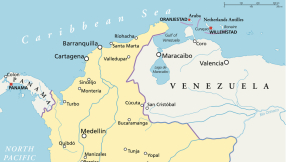
Christians petition for protection of pastors in Colombia following murders
A petition will be presented to the new president.
AZDOME GS63Pro 4K Dash Cam: 40% Off - Ultimate Driving Companion
$47.99
Ekouaer Baggy Bib Overalls for Women - Loose Fit Jumpsuit with Adjustable Straps & 5 Pockets
$12
Ekouaer Women's Satin Silky Pajama Set - Short Sleeve Pullover Top & Wide-Leg Pants
$13.99
LIVOWALNY 200W Power Inverter for DeWALT 20V Battery - Portable 110V AC Outlet & USB-C Station
$23.89
ANCHEER 38'' Toddler Trampoline - 150lb Capacity Foldable Mini Trampoline with Adjustable Handle
$47.99
Ekouaer 3-Piece Maternity & Nursing Pajamas Set - Short Sleeve Top with Shorts and Pants
$14.99
Gardner Pet 43" Heavy Duty Dog Crate with Wheels - Indestructible Folding Metal Cage (Black)
$0
Elegant Mid-Century Modern Bar Stools - Set of 4
$395.99
Ergonomic Office Chair - Big and Tall Desk Chair with Adjustable Lumbar Support
$279.99
Magnelex American Flag Windshield Sun Shade - High-Resolution UV Reflective Heat Shield (X-Large)
$19.9