As Bangladesh celebrates 50 years since gaining independence, Christians are warning of growing persecution.
When Bangladesh declared independence from East Pakistan on 26 March 1971, the constitution promised that "every citizen has the right to profess, practice or propagate any religion."
In 2018, Prime Minister Sheikh Hasina reiterated this promise, declaring that "Bangladesh takes particular pride in religious freedom and communal harmony in the region".
But an Open Doors partner in the country is warning of growing persecution - and inaction by the government.
"Persecution is on the rise in our nation and our Government don't seem to be willing or able to confront it," says Brother Ahmed.
"They are being pressurised by extreme Islamic groups and they don't want to stand up to them for fear of being portrayed as 'unIslamic.'"
Bangladesh is home to around 903,000 Christians - around 0.5% of the population - but they face an increasingly hostile climate.
In just the last two years, the country has risen 17 places to number 31 in the Open Doors World Watch Report.
The charity puts the rise down to three factors: widespread attacks on homes and places of worship by Islamic extremists; violent attacks on Christian Rohingya refugees who have faced violent attacks by radical Islamic groups in the refugee camps; and an increase in discrimination and intolerance against converts.
In May last year, a mother and her young daughter were killed in a horrific attack. While 30-year-old Shilpi and her five-year-old daughter, Supria, were sleeping in their room, someone threw a homemade bomb through an open window. They were badly burned and died a few days later.
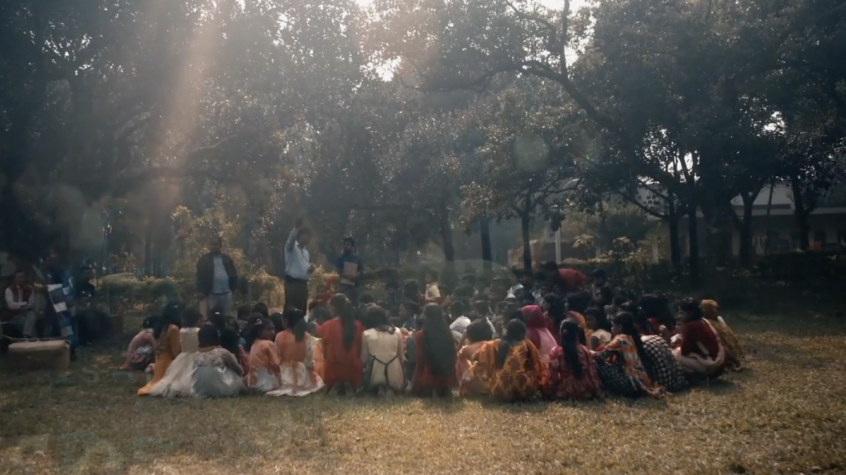
Converts from Islam tend to suffer the worst persecution and are often forced to worship in secret for fear of attack.
Yet police are slow to act if a Christian reports an incident of persecution.
"When Christian communities report attacks or persecution, local police sometimes respond as late as 24 hours later. The will to protect religious minorities is very low," Brother Ahmed said.
There have also been reports during the pandemic of Christians being left with nothing to eat after being refused emergency aid.
This was the experience of Badol, a church leader trained by Open Doors partners whose family was shunned by the local community after their conversion.
"No one wants to talk, communicate or associate with us," he said.
During the pandemic, Badol and his family have been denied vital food and aid from the local authorities because of their faith.
"I had no work for around two months and it was really difficult to meet the needs of my family," he says.
"We live hand to mouth, so no work means no food."
The prime minister's assurances of religious freedom also seem to be undermined by his own threat to prosecute anyone who pronounces offensive comments against the Prophet Muhammad.
Brother Ahmed said: "Pandering to such sentiments is a deadly game to play; it's time the Government refused to compromise with extremism."