I would have killed for apple crumble. It was 11.30pm, I was freezing cold, o so tired, o so hungry and in a tent on the side of a mountain in Tanzania. All I wanted were the comforting flavours of autumn drowning in lashings of custard. All I had were a few dried apricots and a handful of almonds. Having spent the last six days hiking the wilderness of Kilimanjaro I was gaining new appreciation and understanding of the Israelites' reliance on God through the wilderness years.
I was probably a good 16-hour hike away from the nearest shop, and even then I'm not sure apple crumble is easy to source in Tanzania, let alone custard. In the same way that my food options were limited to what I'd taken with me, the Israelites only had what they'd taken with them from Egypt. Sure they could beg, steal, borrow or buy from friends, family and other tribes, and maybe plunder other nations. But there was still a limit to their resources and food.
Until, that is, God stepped in and provided their daily bread.
"Then the Lord said to Moses, 'Look, I'm going to rain down food from heaven for you. The people can go out each day and pick up as much food as they need for that day...Tell them to pick up twice as much as usual on the sixth day each week.'" (Exodus 16:4-5)
God provided the Israelites with manna in the morning and quail at night. It was about obedience as much as provision – they could only take what they needed and if they took too much, it rotted. There was no fighting the fear of going hungry by storing up extra food. Instead, they had to trust God would provide again the next day. It was pretty simple really: if you didn't obey, it didn't work. Without God's provision the Israelites would not have survived.
I guess it shows a life of great privilege if there's always been food in the fridge or a supermarket nearby. How many times have we gone to the fridge when we're bored or procrastinating? How many times have we thrown away a soggy bag of half eaten salad? In a culture of too much food, trusting God for daily bread feels quite abstract.
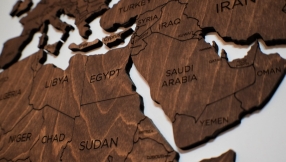
Having worked in food banks across London I am well aware that always having enough food is not a reality for many people in the UK. And I'm sure you don't need me to tell you it's also not a reality for many people across the world. We don't have to look too far beyond the fringes of our headlines to see the devastating impacts of war, famine and drought on places like Yemen, Syria and Chad.
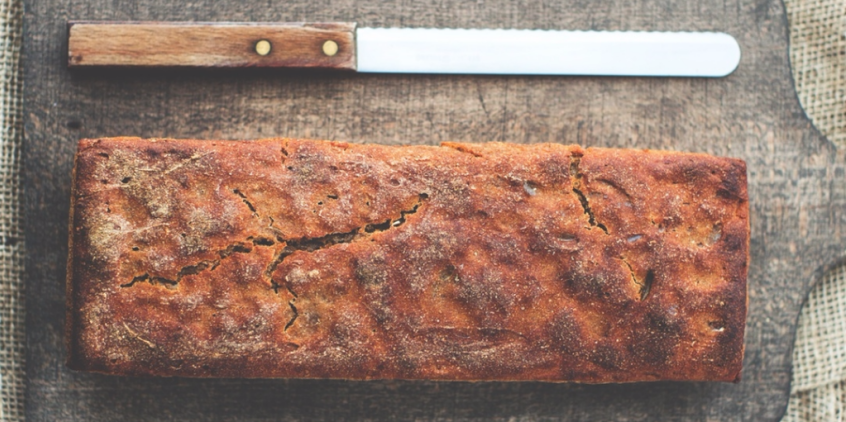
When Jesus taught the disciples how to pray he included, "Give us this day our daily bread". One understanding of this phrase is 'Give us bread without ceasing'. Bread that does not run out. Phrased like that it sounds almost greedy but it's a request for constant provision, removing the fear of not having enough today, and of not having any tomorrow.
In the turning of everyday life and online grocery shopping it is easy to forget that all good and perfect things come from God. It's easy to forget to ask for daily bread and be thankful for its provision. It is easy to forget that God is our Providence. We can be so used to having enough that saying grace becomes something we steamroll through once a week in the race to tuck into our Sunday roast – that's if we ever remember to say it at all.
This week I am committing to reconnecting to Providence. This week I am committing to saying grace. This week I am committing to supporting those who do not have enough. Join me?
Rachel Holmes works for a UK charity and spends her days writing about their community projects across the country. She writes about the collision of faith, justice and modern culture on her blog - http://www.rachelsarah.co.uk/