In a world where the choices of the individual are paramount and personal freedom is becoming an absolute value, there's a poem that perfectly sums up the idea that we're accountable to no one but ourselves for our happiness and freedom – and it's quite an old one.
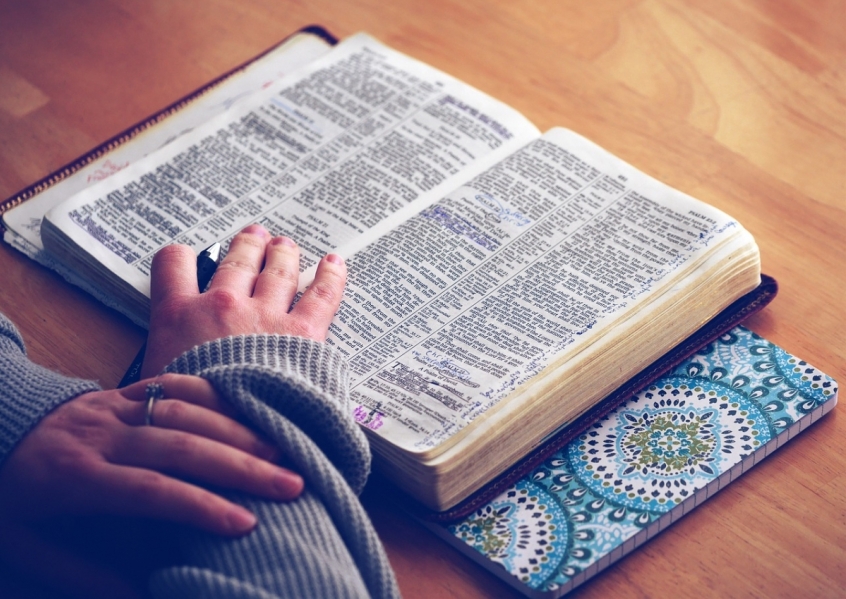
Invictus was written by WE Henley in 1875. Its famous first verse is:
Out of the night that covers me,
Black as the Pit from pole to pole,
I thank whatever gods may be
For my unconquerable soul.
It says the "menace of the years/ Finds, and shall find, me unafraid". It concludes: 'I am the master of my fate/ I am the captain of my soul.'
The poem was used in a film about the South African rugby team after the transition to majority rule under Nelson Mandela and provided the title for the Invictus Games run by Prince Harry for disabled ex-service personnel.
It's a brilliant poem and it's impossible not to warm to such an expression of courage in the face of adversity: 'Under the bludgeonings of chance/ My head is bloody but unbowed' is another great line.
On the other hand, if we tried to live up to that ideal, most of us would fail miserably. We are afraid all too often. We sense that we are not as in control as we would like to be; indeed, all too often we feel inadequate to what we have to face.
When Peter and John were in Samaria, we're told, 'they prayed for the new believers there that they might receive the Holy Spirit, because the Holy Spirit had not yet come on any of them; they had simply been baptised in the name of the Lord Jesus. Then Peter and John place their hands on them and they received the Holy Spirit' (Acts 8: 15-17).
It's a significant moment because of what it tells us about the Church and about the Spirit. It's a recognition that we are not the captains of our own souls – or at least, if we are, we need help and guidance through the storms of life we will experience. And we are not the masters of our own fate, autonomous individuals who can shape our own destiny. We are in relationship, with God and with other believers.
The Samaritans had been baptised into the new community – a horizontal relationship – but they had not entered into a new relationship with God. Without God's Spirit, Christianity is just another philosophy. In praying the Spirit into their lives, Peter and John were offering them something different from anything they had known before: a profound connection with each other and with God. And it happened when people touched each other.
There's much that's good about personal freedom and the ability to make our own choices. But Christians also want to say that we're accountable to God and to others for those choices – and that we can draw on the resources they provide to help us in our times of need.
Follow Mark Woods on Twitter: @RevMarkWoods