Generosity is a curious thing. It's in our nature to give, to bless others with things that they need or want, or just to give them a treat. In the face of the difficulties associated with the coronavirus pandemic, the nation has shown great generosity – who can forget the astonishing total raised by Captain Sir Tom Moore and for the NHS in the spring?
Moreover, the growing story of #ENDCHILDFOODPOVERTY, spearheaded by Manchester United footballer Marcus Rashford, demonstrates that it's not only money that we can be generous with, but also time and other resources, as charities, businesses and individuals step up to combat school-holiday hunger.
However, back in July, the government cut £2.9 billion from its international aid budget, and this reflects a very human response to generosity and giving. When we can see where our money is going, and when the cause is one that we believe in, we are more happy to give than when we are unsure about where, why and how our donations are being used. And when times are hard, we instinctively draw our focus back to those people (and causes) that are closest to our hearts.
This is backed up by research done by Savanta ComRes on behalf of Samaritan's Purse, which runs Operation Christmas Child. While seven in ten UK adults (71%) feel concerned for children in the toughest circumstances all over the world during the pandemic, only one quarter (26%) are planning to donate to an overseas charity this Christmas due to the impact of Covid-19.
Across the globe, children are struggling with the impact of the pandemic. The virus itself and the restrictions imposed by national and regional governments are affecting children's health and well-being. Many countries are starting from a more difficult point than our own; many governments are forced to redirect precious resources towards combatting this ongoing threat. And it's children who are losing out. And the importance that they need to feel seen and loved this year is more tangible than ever.
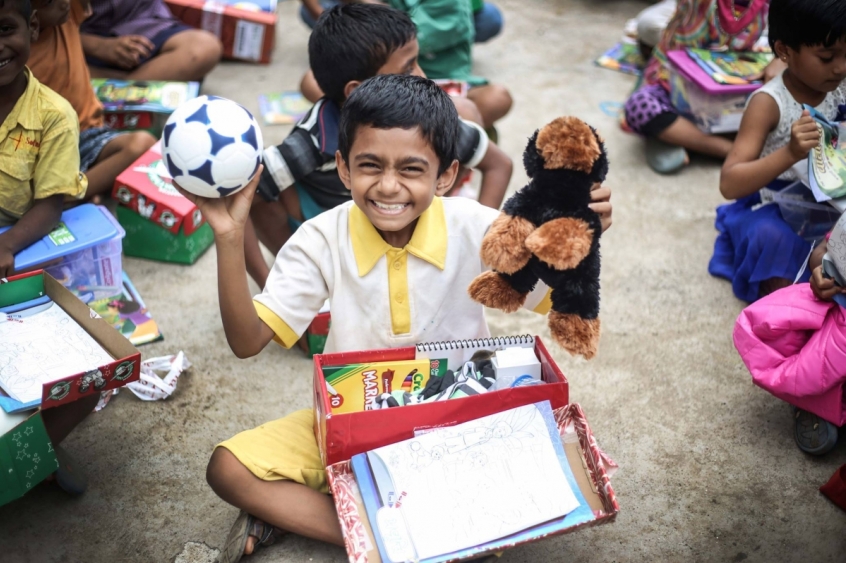
Operation Christmas Child sends shoeboxes packed with toys, school supplies and hygiene items to these children in need around the world. For each child, a shoebox gift is a reminder that God loves them, and they are not forgotten.
The temptation is to turn around to other countries and say: "We've got problems of our own, we can't help you." However, there's no denying that we are in a place of privilege. We have much more as a nation than the majority of others in the world. Moreover, there are enough resources in the world to go around – we can still support those struggling in our own country while reaching out to help those in dire straits on a different continent.
The pandemic has once again highlighted the importance of children's mental and physical health, and we should act now to make a real difference – both individually and corporately. There are many charities working in different countries; they partner with regional and national governments to make a real difference in the lives of children, and they need our help now more than ever. Creating a gift can be a low-cost, personal way to help.
Nick Cole is Director of Operation Christmas Child. To find out more about the annual campaign and how you can take part, visit shoeboxonline.org.uk