This Sunday churches in the Western tradition will be marking Epiphany, traditionally the end of the Christmas season. It commemorates the visit of the Magi to the infant (or toddler) Jesus in Bethlehem, a story usually folded into the Christmas carol service but actually separated in time by as much as a couple of years.
The word is Greek, epiphaneia, and it's very interesting. It means 'appearing', and according to Strong's Concordance it was often used by the Greeks of a 'glorious manifestation of the gods, and especially of their advent to help'. It appears elsewhere in the New Testament in connection with the second coming of Christ, rather than the first. In 2 Thessalonians 2:8 the epiphaneia of Christ will overthrow the coming 'lawless one'.
In 2 Timothy there are three references, in 1:10, 4:1 and 4:8, the second two about the second coming but the first about the incarnation itself: 'This grace was given us in Christ Jesus before the beginning of time, but it has now been revealed through the epiphaneia of our Saviour Jesus Christ...' Titus 2:13 and 1 Timothy 6:14 both use it to refer to the second coming.
What are we to understand from this? Perhaps there are three things.
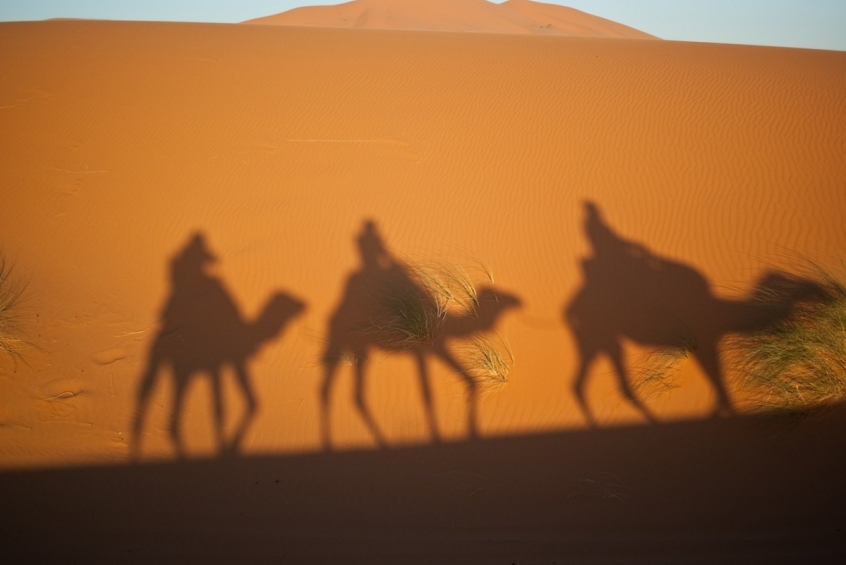
First, the Epiphany we celebrate on Sunday is a deeply significant moment. The coming of the Wise Men to Bethlehem is not just there to decorate the Christmas story. Gentile scholar/priests, representing the wisdom and spiritual authority of the ancient world, came and bowed down to the infant Jesus. That moment marked the submission of the old world to the new.
Second, it is tied to the final victory of Christ. However we understand it, the second coming is the hope of every Christian. It speaks of his victory over all the forces of evil, spiritual and material, and of the establishment of his everlasting kingdom. The child in Bethlehem was the saviour of the world, 'appearing' in weakness but full of divine power and authority.
Third, that first Epiphany also marked the expansion of grace to the whole world: God's gift of himself to the Jews would be extended to the Gentiles. Whoever the wise men were, they were not Jews, but their journey was honoured and their worship and their gifts were accepted. The Kingdom of Heaven would be opened to all believers. So Epiphany is also about mission, the actualisation on the ground of this new spiritual reality.
It's a pity if Epiphany is reduced to the day we take the Christmas decorations down. It's much more than that: it's when the wide world begins to own Jesus as Lord.
Follow Mark Woods on Twitter: @RevMarkWoods