
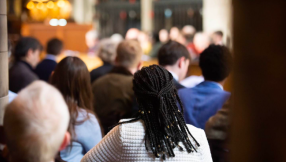
Britain’s cathedrals have been praised for offering unbelievers a “powerful sense of the sacred” which they do not find anywhere else, according to a new report. But what should cathedrals do in response?
A religious think-tank, Theos, and a research foundation, the Grubb Institute, are the organisations behind the latest research. Entitled Spiritual Capital: The present and future of English cathedrals, it is based on surveys of more than 3,500 adults. The report follows on from figures released last year which suggested that attendance at cathedrals has risen by a massive 37% since the turn of the millennium.
Writing in the Church Times, Nick Spencer, director of research at Theos, argues in the light of the research that cathedrals should not try to explain too much to spiritual seekers. He writes: “The temptation for Christians is to seize on the encouraging signs, and then to settle people’s sense of the sacred: to describe, clarify, and harness people’s persistent spirituality. People, however, do not always come to cathedrals and experience what they do there in order for it to be easily explained. As a result, the evangelistic course or explanatory booklet are liable to be less effective there than in other circumstances.”
He suggests that “in place of words or explanation, perhaps we need a renewed appreciation of the object – the palm-sized cross, the icon, the triptych – the image that remains uninterpreted, unsettled and unsettling.” But he admits: “This will not be comfortable. It is not just dogmatists who fear that living with contradictions can invite laissez-faire spirituality, turning Christ’s challenging annunciation of the Kingdom of God into an anodyne exchange of personalised spiritual truths. The uninterpreted icon, scriptural engraving, or prayer is a risk, but, in the right place, it is surely one worth taking.”
Much as I admire Nick Spencer – who generally does a fine job, it seems to me – I do wonder if he is right on this particular issue. It seems to me that God is constantly in the business of communicating, of clarifying, of interpreting. We might think, for example, of the fabric of the very universe itself (“the heavens declare the glory of God”), of the incarnation (“the Word became flesh and dwelt among us, full of grace and truth,”) and of the lengths God seems to go to with individuals in order to speak clearly to them (as with Philip and the Ethiopian, for example).
Furthermore, we might think of Jesus’ command to “make disciples” (rather than simply leave people feeling awe-inspired by some vague sense of the numinous) – or of Paul’s plain-speaking: “How are they to hear without someone to proclaim him?” And, again, there is the Apostle John’s purpose in writing his gospel – yes, clarifying and interpreting – namely, so that people “may come to believe that Jesus is the Messiah”.
Of course, with so many visitors coming to cathedrals, and with numbers increasing, it is very tempting indeed to want not to put them off by being too clear, or too dogmatic, about Christian belief. And yet, as followers of Christ we follow in the footsteps of one who explained things in a way that people sometimes found so blunt that “because of this, many of his disciples turned back and no longer went about with him” (John 6v66).
Of course, there is a place for mystery. But certainly the Apostle Paul’s aim, as stated in his letter to the Colossians, was that people might have “the full riches of complete understanding, in order that they may know the mystery of God – namely Christ.”
40% OFF

AZDOME GS63Pro 4K Dash Cam: 40% Off - Ultimate Driving Companion
$47.99 $79.99
60% OFF

Ekouaer Women's Satin Silky Pajama Set - Short Sleeve Pullover Top & Wide-Leg Pants
$13.99 $34.99
40% OFF
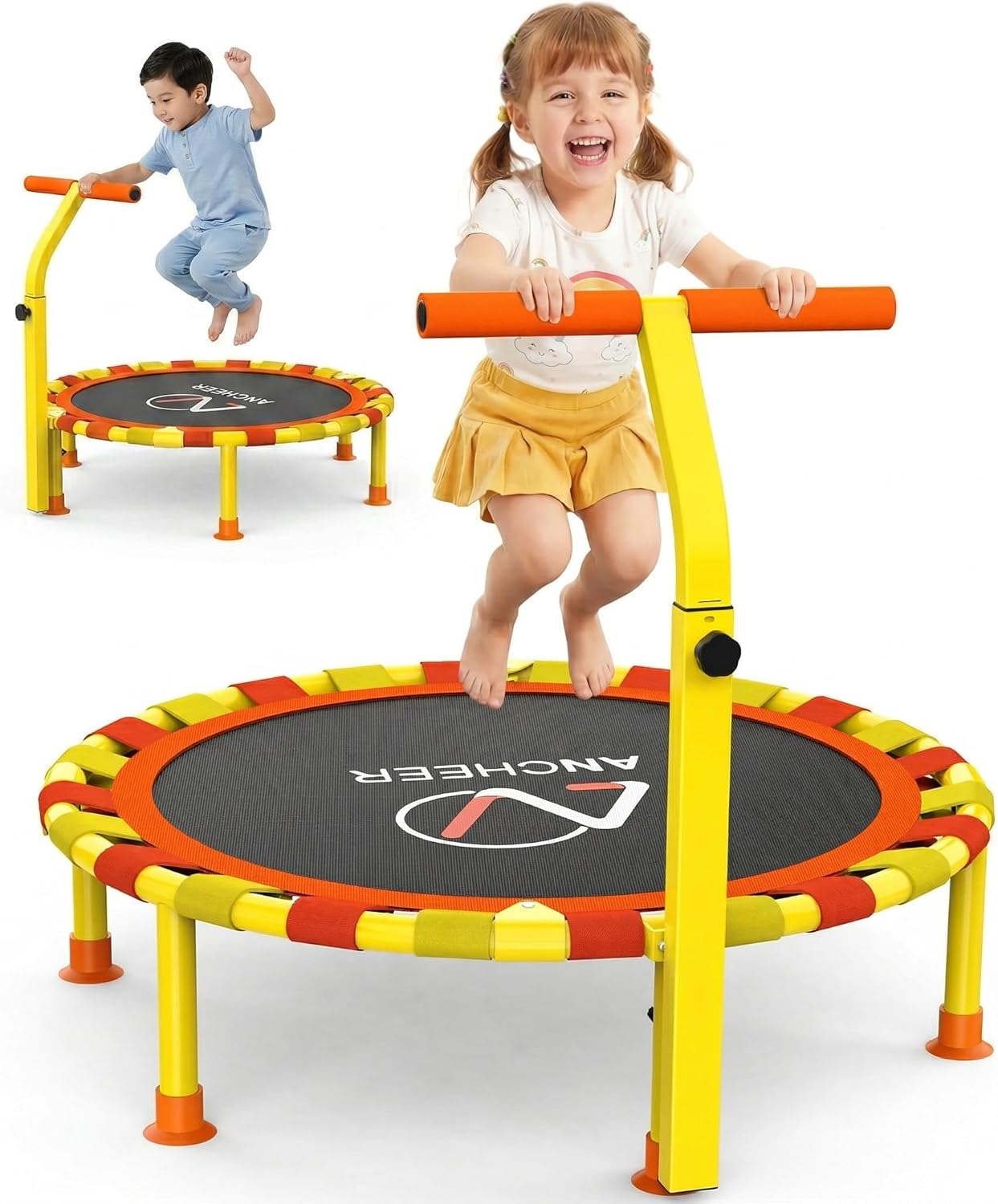
ANCHEER 38'' Toddler Trampoline - 150lb Capacity Foldable Mini Trampoline with Adjustable Handle
$47.99 $79.99
55% OFF

Ekouaer 3-Piece Maternity & Nursing Pajamas Set - Short Sleeve Top with Shorts and Pants
$14.99 $32.99
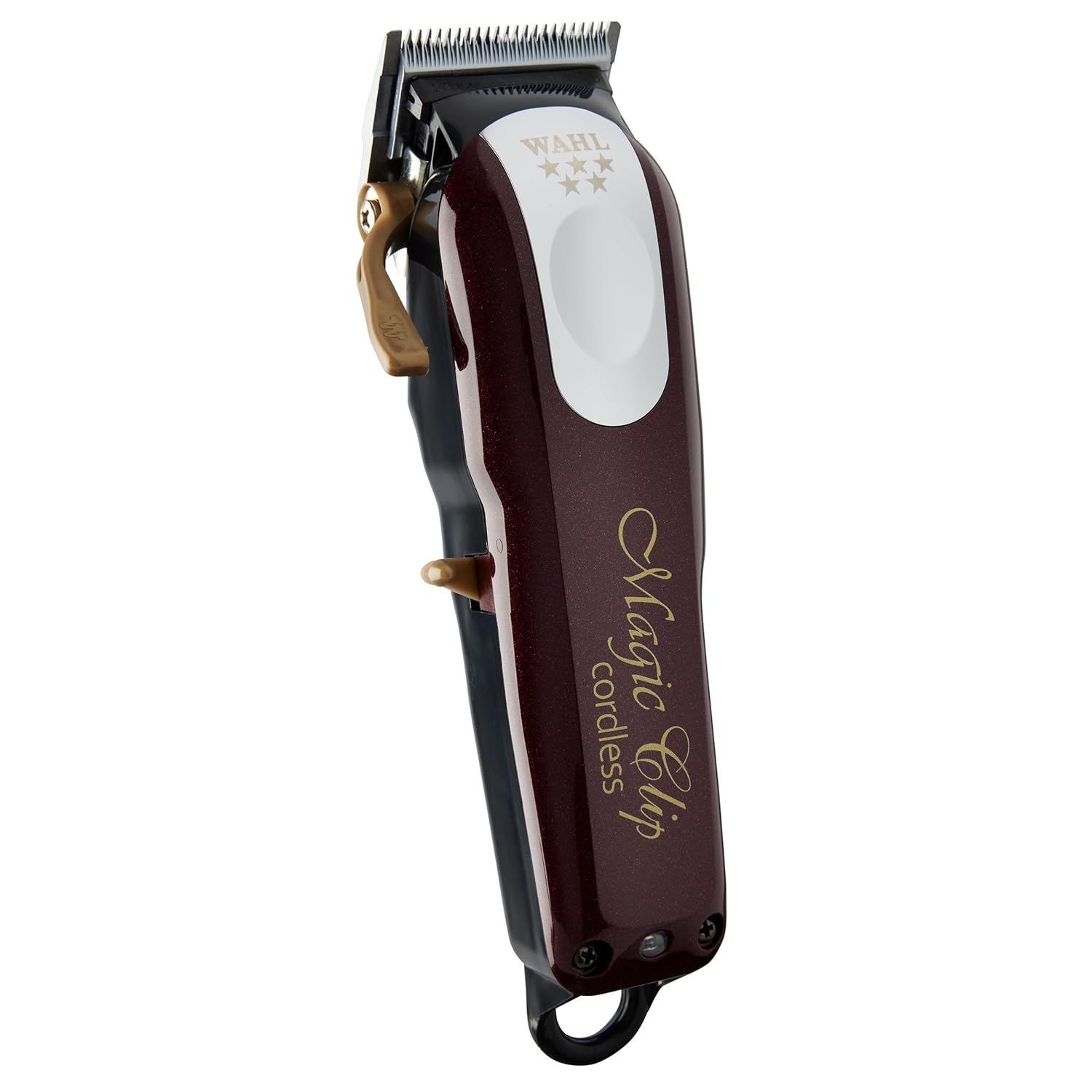
Wahl Professional 5 Star Series Magic Clip Cordless Clipper - Stagger-Tooth Blade Hair Trimmer
$0 $139.99
10% OFF

Bekrvio Swivel Counter Height Bar Stools Set of 3 - 26" Mid Century Modern Rattan Back Stools
$223.55 $248.39

Gardner Pet 43" Heavy Duty Dog Crate with Wheels - Indestructible Folding Metal Cage (Black)
$0 $149.99
12% OFF

Elegant Mid-Century Modern Bar Stools - Set of 4
$395.99 $449.99
23% OFF
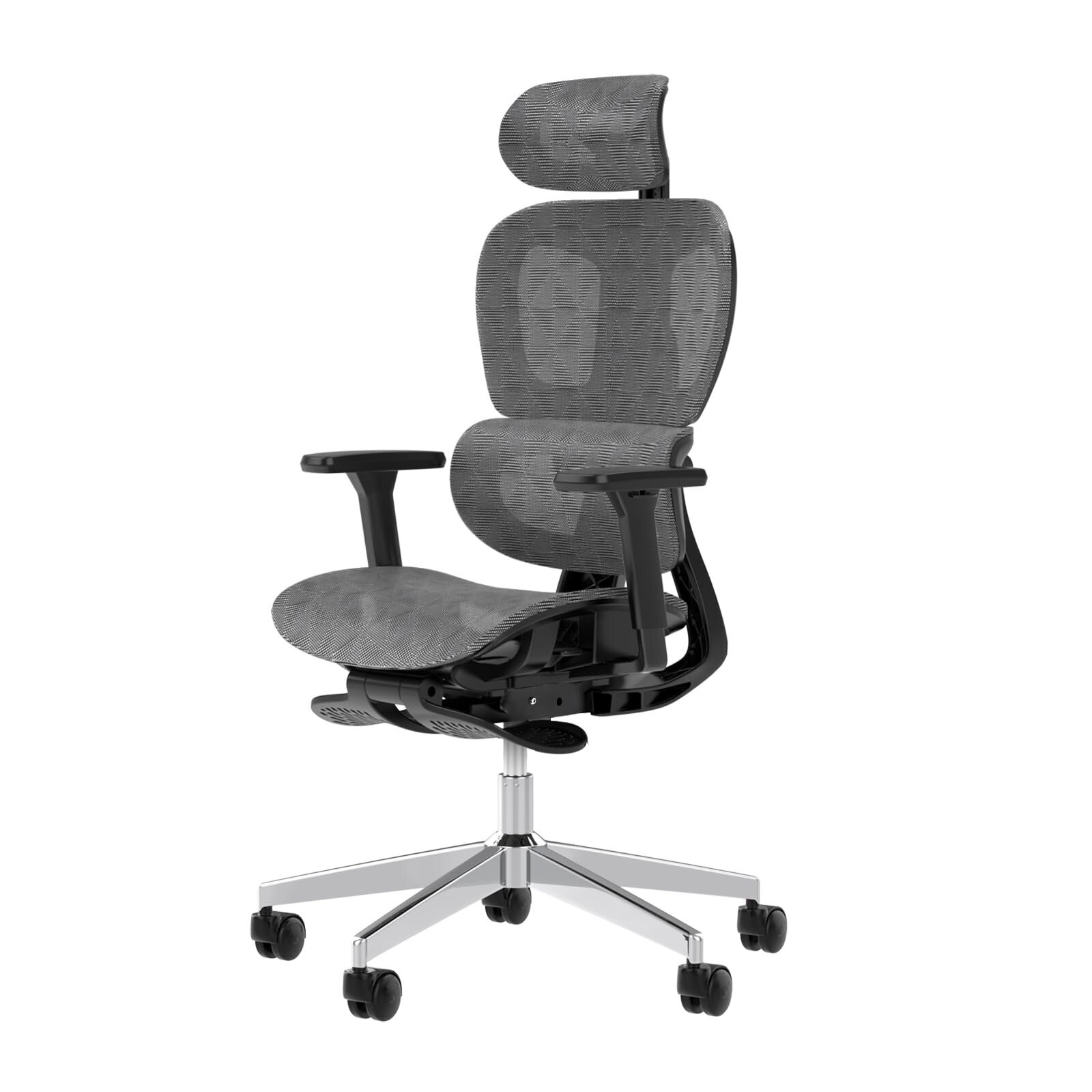
Ergonomic Office Chair - Big and Tall Desk Chair with Adjustable Lumbar Support
$279.99 $363.99
26% OFF

Magnelex American Flag Windshield Sun Shade - High-Resolution UV Reflective Heat Shield (X-Large)
$19.9 $26.9




-

'Dark day' as retired pastor is convicted for preaching John 3:16 near abortion facilities
-

Understanding the reasons for the conviction of Päivi Räsänen
-

Report warns of continued anti-Christian hostility across Europe during April
-

Christians petition for protection of pastors in Colombia following murders
-

Pastor Greg Locke's 20-year-old son dies from drug overdose
-

Church of England leaders must do more to support British Jews
Most Popular
News
Let’s encourage our churches to support and pray for their elected representatives
Last week’s elections confirm that people have lost trust in both the system and the politicians - and the fragmentation that exists in British politics.
Church of England celebrates continued post-pandemic growth
The Church said it was encouraged by five years in a row of growth while acknowledging that growth, attendance and participation remain below pre-pandemic levels.

Christians among main victims of Islamist violence in eastern DRC
Christians in eastern Democratic Republic of Congo (DRC) are facing escalating violence from an Islamic State-linked militant group accused of massacres, abductions and systematic terror attacks across villages and churches, according to a major new Amnesty International report.

World Cup 2026 mission campaign aims to mobilise 10,000 churches
Evangelism and discipleship ministry Cru is hoping to mobilise 10,000 churches to spread the gospel during this summer’s World Cup taking place in the US, Canada and Mexico.
AZDOME GS63Pro 4K Dash Cam: 40% Off - Ultimate Driving Companion
$47.99
Ekouaer Women's Satin Silky Pajama Set - Short Sleeve Pullover Top & Wide-Leg Pants
$13.99
ANCHEER 38'' Toddler Trampoline - 150lb Capacity Foldable Mini Trampoline with Adjustable Handle
$47.99
Ekouaer 3-Piece Maternity & Nursing Pajamas Set - Short Sleeve Top with Shorts and Pants
$14.99
Wahl Professional 5 Star Series Magic Clip Cordless Clipper - Stagger-Tooth Blade Hair Trimmer
$0
Bekrvio Swivel Counter Height Bar Stools Set of 3 - 26" Mid Century Modern Rattan Back Stools
$223.55
Gardner Pet 43" Heavy Duty Dog Crate with Wheels - Indestructible Folding Metal Cage (Black)
$0
Elegant Mid-Century Modern Bar Stools - Set of 4
$395.99
Ergonomic Office Chair - Big and Tall Desk Chair with Adjustable Lumbar Support
$279.99
Magnelex American Flag Windshield Sun Shade - High-Resolution UV Reflective Heat Shield (X-Large)
$19.9