
I have clear memories of the Cuba Missile Crisis. I was just fourteen at the time but the events of October 1962 are etched indelibly on my memory. I can still recall, for example, lying in bed listening to the radio while President Kennedy outlined his ultimatum to the Soviet leadership.
I understood then (but obviously not as clearly as I know now) just how close we came to all-out nuclear war, and it came as no surprise to be told the next day that my art master had spent hours on a local mountain pleading with God to save us from our madness. (How telling that our hopes for nuclear peace were based on a programme appropriately designated ‘Mutually Assured Destruction’!
It’s been good to spend some time thinking about the crisis again, and I have learned a great deal as I have listened to the man who went to bed with the nuclear codes strapped to his chest, and read Michael Dobbs’ blog. I was particularly intrigued to discover that at very the moment Secretary of State Dean Rusk claims to have uttered the most vivid soundbite of the crisis - "we're eyeball to eyeball, and the other fellow just blinked" - the Soviet missile-carrying ships were 500 miles away and heading back to Russia. As is so often the case, the facts are rather different to the popular version of events.
Dobbs has suggested that one of the greatest dangers was that of miscommunication and I can believe that given a story that was published in Newsweek in August 2000. It still leaves me gasping with a sense of incredulity, and I can’t help wondering why so few commentators refer to it. It would appear that following the shooting down of a U2 spy plane Robert Kennedy (the President’s brother) advised Soviet ambassador Dobrynin that the Russians had just twenty-four hours to give an assurance that they would withdraw their missiles from Cuba, otherwise they would be ‘removed’. Kennedy also implied that he didn’t know how much longer they could control the hawks in the US military because “the Generals are itching for a fight”.
Dobrynin quickly sent an account of this meeting to Moscow, but incredibly, he sent it via Western Union Telegraph because there was no other means of immediate transmission! He wrote later that he watched the young boy pedal off into the night, praying that he would not stop off for a Coca Cola or to dally with his girlfriend. And that’s how a young lad on a bicycle came to play a pivotal, if unsuspecting role in cold war history.
Like Michael Dobbs I am fascinated by the question of human agency in history. Are we the subject of inexorable, impersonal forces or are we able to make a difference and influence the shape of things to come? Christians can surely only answer that question in one way: we can and should be making a difference because God expects us to do just that.
Who knows, my art teacher may have played as pivotal a role in averting nuclear war as the young lad on the bicycle. God’s people should never forget that eternity alone will show just how important we have been in the furtherance of God’s plans, however insignificant we feel or however ordinary the tasks we have been given.
20% OFF
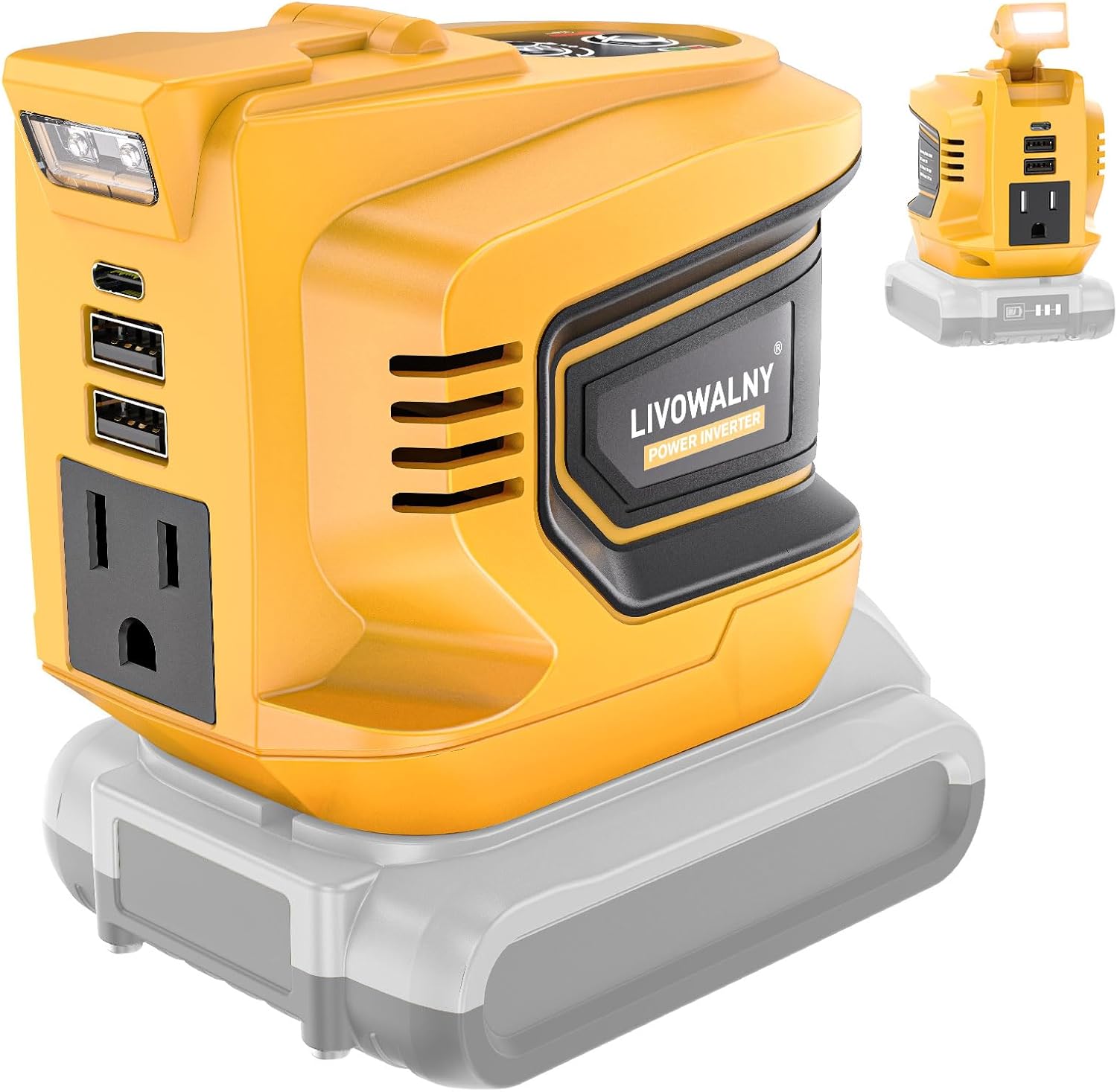
LIVOWALNY 200W Power Inverter for DeWALT 20V Battery - Portable 110V AC Outlet & USB-C Station
$23.89 $29.99
40% OFF

ANCHEER 38'' Toddler Trampoline - 150lb Capacity Foldable Mini Trampoline with Adjustable Handle
$47.99 $79.99
23% OFF
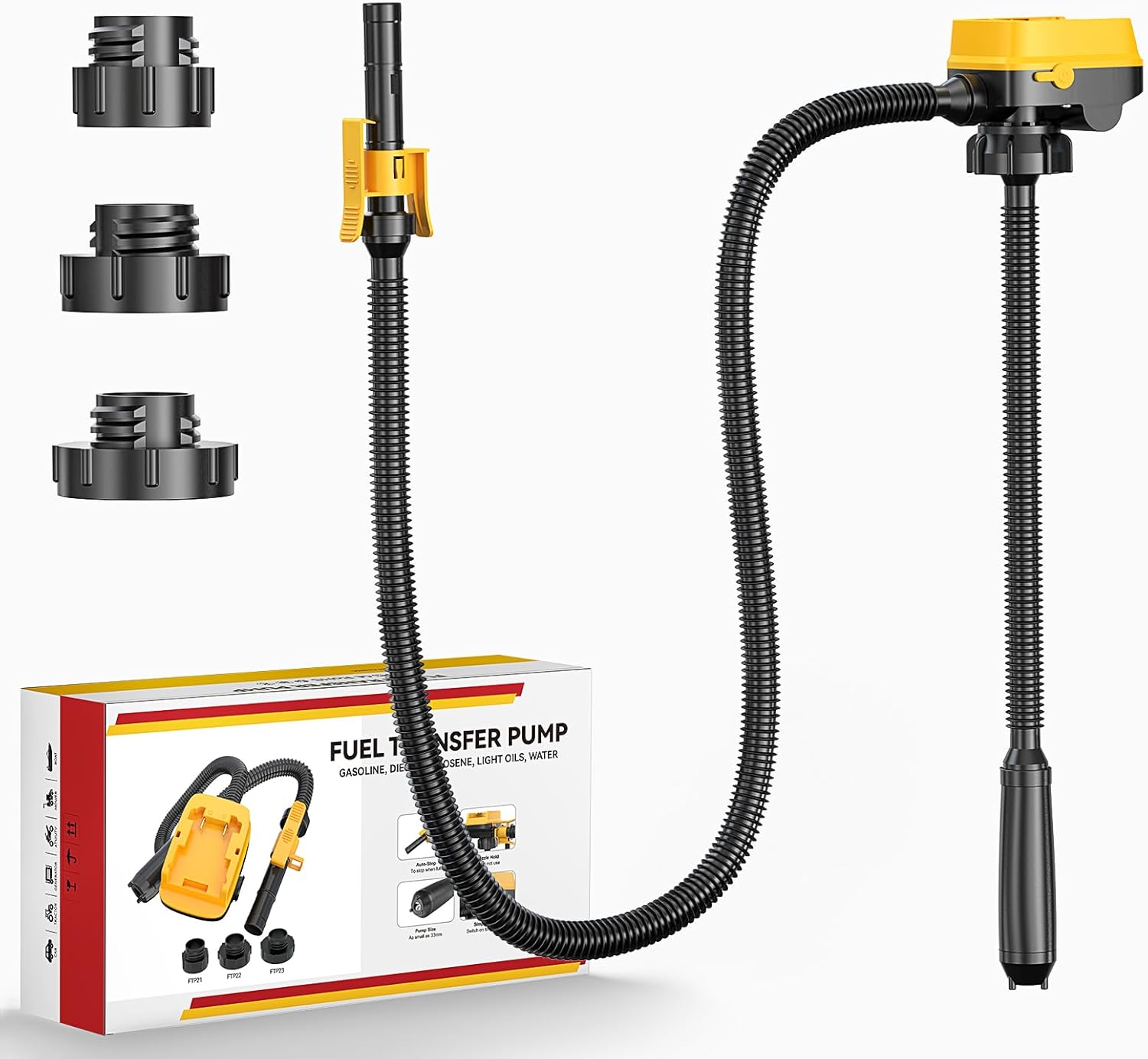
Cordless Fuel Transfer Pump - 3.2 GPM Auto-Stop Pump for DeWalt 20V & Milwaukee 18V
$61.99 $79.99
55% OFF

Ekouaer 3-Piece Maternity & Nursing Pajamas Set - Short Sleeve Top with Shorts and Pants
$14.99 $32.99
20% OFF
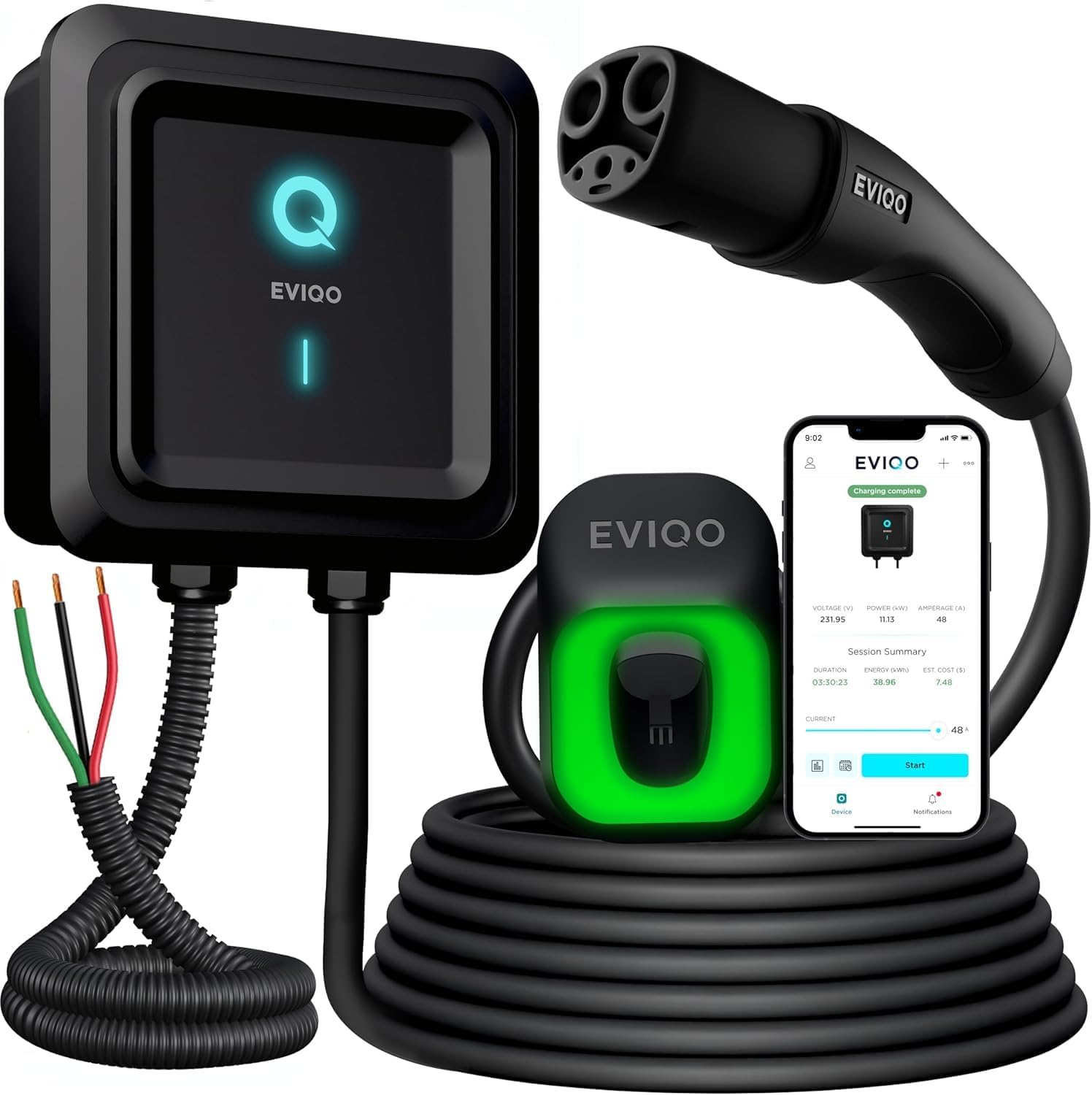
EVIQO 48 Amp NACS Level 2 EV Charger - Hardwired Smart WiFi Wall Charger for Tesla
$368.51 $458.55
11% OFF
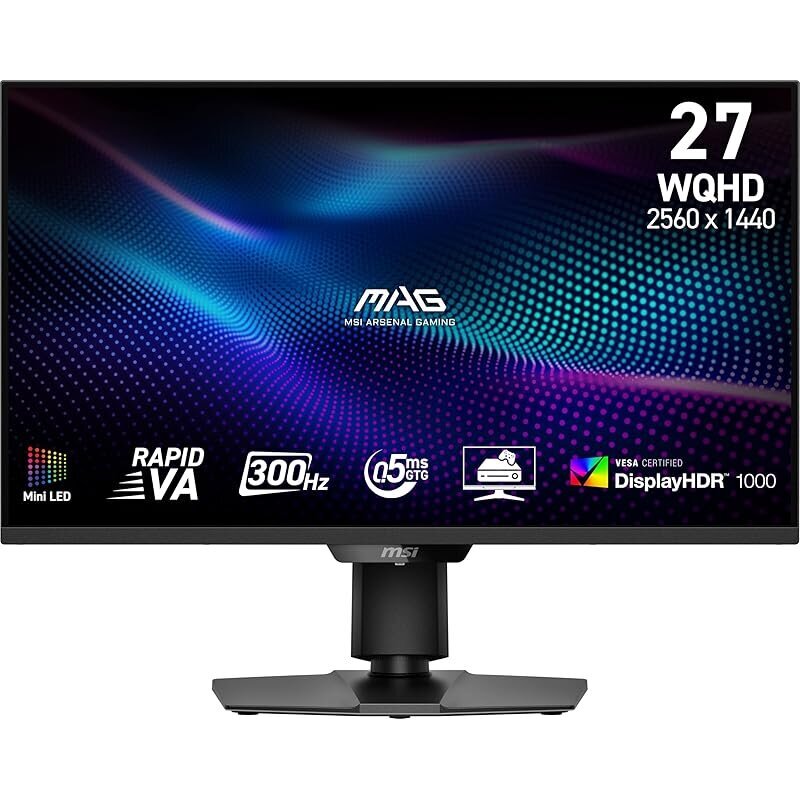
MSI MAG 274QPF X30MV 27-Inch QHD Gaming Monitor – Perfect for Gamers
$319.99 $359.99
36% OFF
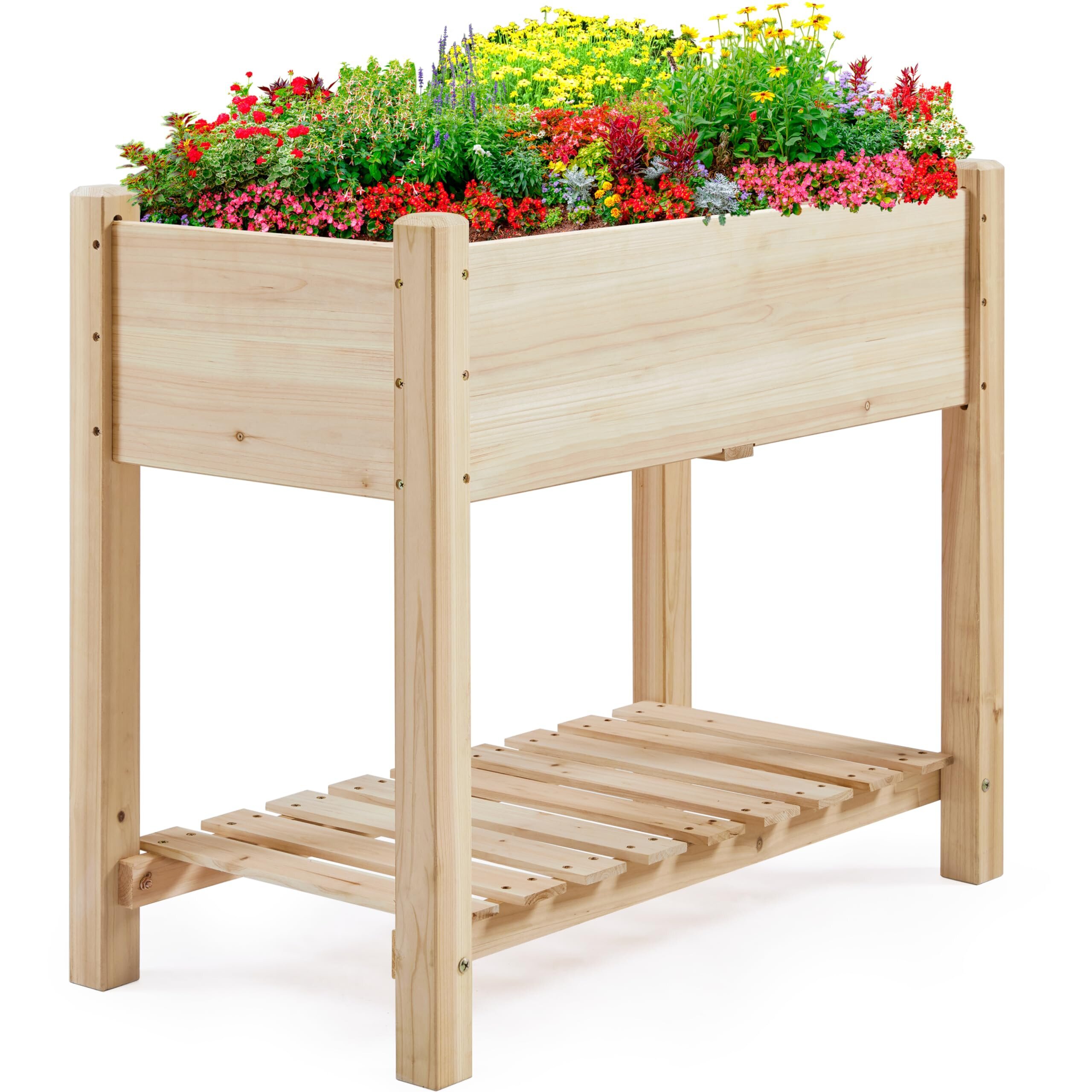
Yaheetech Raised Garden Bed - Perfect for Home Gardening
$44.99 $69.99
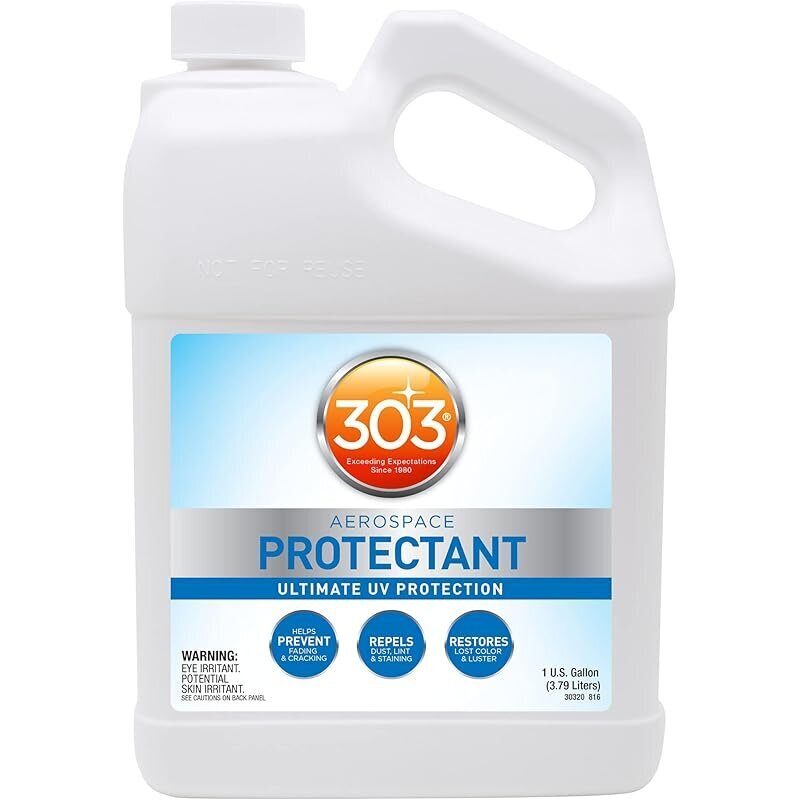
303 Products Aerospace Protectant Spray - Ultimate UV Protection
$0 $71.23
23% OFF

Portable Camping Sink - 38L Fresh Water Tank & Soap Dispenser
$119.99 $155.99
5% OFF
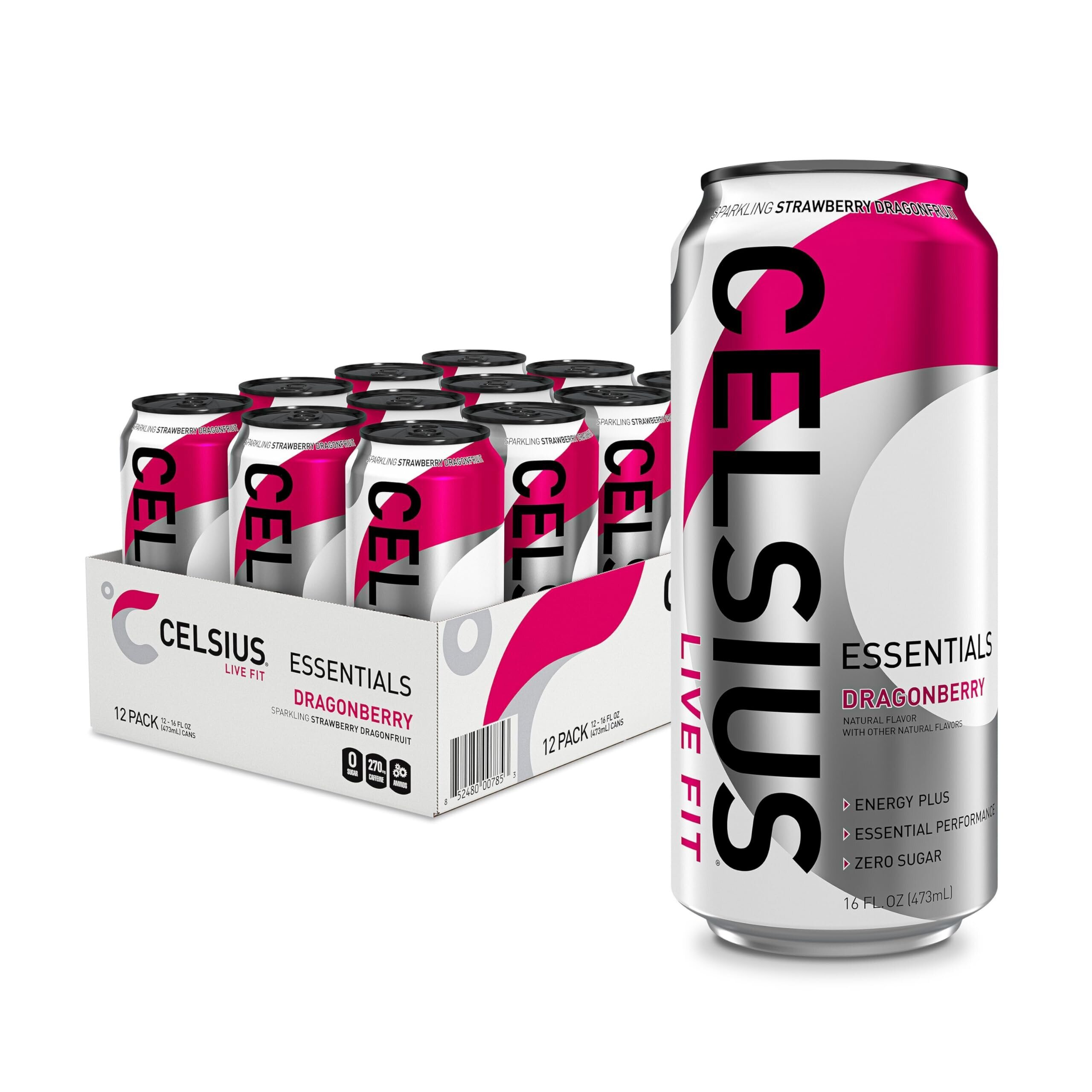
Celsius Essentials Dragonberry Sugar Free Energy Drink 12pk
$17.08 $17.98


-
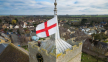
The backstory to St George and his flag
-

High Court overturns conviction of Christian man who emailed abortion images to police
-

Global Christianity faces major challenges in 2026 despite signs of growth, new report finds
-

Council accused of 'unprecedented' use of powers to silence gospel preaching
-

Christian private school blames Labour's VAT raid as it weighs up closure
-
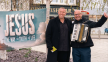
Over 10,000 sign petition in support of church fighting outreach ban
Most Popular
News
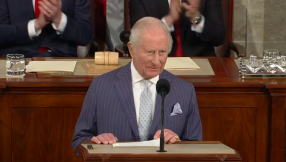
King Charles tells US Congress Christianity is his ‘firm anchor and daily inspiration’ during historic Washington address
King Charles III declared that Christianity remains a “firm anchor and daily inspiration” in his life as he delivered a landmark address to a joint session of the United States Congress during his first official state visit to the US as monarch.

Christians urge international action over deepening humanitarian crisis in Iran
A Christian advocacy group has issued an urgent appeal for international intervention as humanitarian conditions in Iran continue to worsen, warning that shortages of medicine, food and essential supplies are placing millions of vulnerable people at risk.

Coptic Christian YouTuber sentenced to five years in Egypt over faith-based online videos
A man has been sentenced to five years in prison with hard labour in Egypt after posting online videos about Christianity, according to Christian legal advocacy group ADF International.
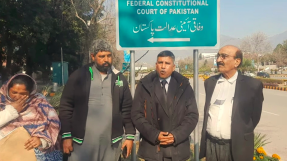
Pakistan sets up committee to review forced marriage of Christian girl
The number of minority girls abducted every year in Pakistan is unclear.
LIVOWALNY 200W Power Inverter for DeWALT 20V Battery - Portable 110V AC Outlet & USB-C Station
$23.89
ANCHEER 38'' Toddler Trampoline - 150lb Capacity Foldable Mini Trampoline with Adjustable Handle
$47.99
Cordless Fuel Transfer Pump - 3.2 GPM Auto-Stop Pump for DeWalt 20V & Milwaukee 18V
$61.99
Ekouaer 3-Piece Maternity & Nursing Pajamas Set - Short Sleeve Top with Shorts and Pants
$14.99
EVIQO 48 Amp NACS Level 2 EV Charger - Hardwired Smart WiFi Wall Charger for Tesla
$368.51
MSI MAG 274QPF X30MV 27-Inch QHD Gaming Monitor – Perfect for Gamers
$319.99
Yaheetech Raised Garden Bed - Perfect for Home Gardening
$44.99
303 Products Aerospace Protectant Spray - Ultimate UV Protection
$0
Portable Camping Sink - 38L Fresh Water Tank & Soap Dispenser
$119.99
Celsius Essentials Dragonberry Sugar Free Energy Drink 12pk
$17.08