The Vatican has been sending gay priests to a monastery to "cure" them of homosexuality, a former clergyman has alleged.
Mario Bonfanti says he was asked to go to the Venturini monastery in Trento, northern Italy, after it was discovered he was gay. Despite having maintained his vow of celibacy, the priest was dismissed from his parish in Sardinia three years ago when he refused.
"There exists a convent where priests who manifest inappropriate sexual tendencies are sent to reflect," the 44-year-old told La Repubblica newspaper.
"It's a place where they help you to rediscover the straight and narrow. They wanted to 'cure' me but I refused to go."
Following Bonfanti's allegations, the head of Venturini, Father Gianluigi Pasto, told Italian reporters: "I can only say that here we help the priests become healthy".
The Independent reports that Fr Pasto denied the monastery is specifically for gay and paedophile priests in an interview La Repubblica, but did not deny that they may have come in the past. "Priests come to us for a period of formation and personal reflection," he said.
"Right now we have neither gay priests nor paedophile priests here. Of course, our task is to welcome everyone."
According to the Telegraph, Fr Pasto did admit that some priests who attend the convent do have "problems connected to sex".
"We don't speak of our work but it is well known to many bishops and dioceses. They know what we can offer," he added.
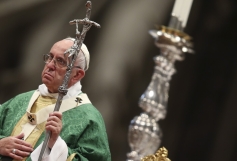
The allegations come in a week that the world's eyes are on Rome, as Pope Francis hosts the Synod on the Family with a particular focus on marriage and homosexuality.
During the opening Mass on Sunday, the pope reaffirmed Catholic opposition to gay marriage, but called for the Church to be welcoming and compassionate towards all people, regardless of their sexuality.
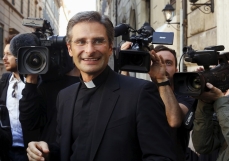
Ahead of the Synod, however, the Vatican dismissed a priest from his position in the Holy See after he came out as gay in an interview with Italy's Corriere della Sera newspaper.
Monsignor Krzystof Charamsa said asking gay Catholics to live with "total abstinence a life of love...is inhuman".
He therefore called on the Church to "open its eyes" and change its teaching.
Church officials said Charamsa's interview and a planned demonstration in front of the Vatican (which was later moved to a different venue) were "grave and irresponsible" given their timing on the eve of the Synod.
His actions would subject the conference to "undue media pressure", the Vatican said.