This little ditty by Robert Madu stuck in my brain the moment I heard it:
Facebook, Facebook, tell me how my life should look.
Instagram, Instagram, tell me who I really am.
Because they do. Except it's rubbish.
Happy, healthy women showing off happy, healthy families with happy, healthy bank accounts stare back at us as we scroll away in the supermarket checkout lane. It's not surprising we feel lacking as we compare our anything-but-shiny life to their bright-and-smiling, just-for-the camera lives.
We live in a glossy culture where if it looks glossy it must be glossy.
We are bombarded with glossy perfection a thousand times a day on TV, online, and in magazines where beautifully curated homes with pristine children adorned in neutral tones skip playfully through the forest or read quietly in dappled sunlit tree houses.
No one posts pictures with captions like "This is me fighting with my teenager who I found sneaking out last night" or "This is my cute new bag (where I stash my secret little orange bottle of pills)." And I've never seen a selfie with the hashtags #lonely, #depressed, #abused, #unworthy, #ashamed, or #unlovable.
We hope if we present life as perfect, it will be perfect. So we fake it, paralyzed by the thought of anyone knowing the truth.
The world's image of what abundant life looks and feels like is a myth; it's smoke and mirrors perpetuated by social media, TV, and movies, and it's fueled by our own insecurities. "An abundant life is a perfect life" is a myth. "We can create it ourselves if we work hard enough, are good enough, and please God sufficiently until he blesses us" is a myth.
Jesus never said, "I have come that you might have life, and have it more fabulously."
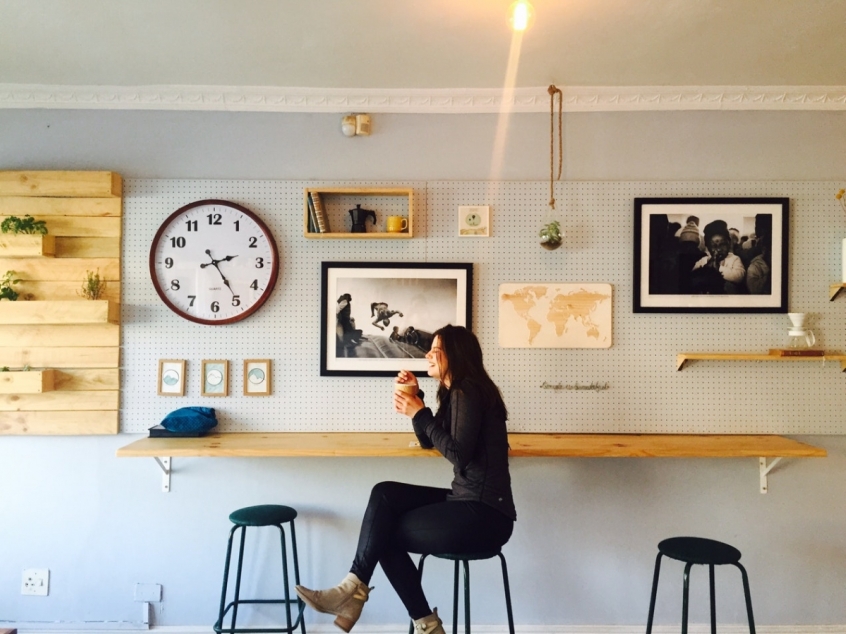
We compare our everyday imperfect reality with other people's moments of curated perfection. We make ourselves both creator and curator of our abundant lives, but we'll never get there, because what we're trying to create is an illusion.
Then, when tragedy or heartache leaves us gasping for air, we feel disqualified from any kind of abundant life—fake or real—so we miss out.
When life's difficult, we compare the reality of our broken, painful, right-now life with other people's perfectly filtered social media posts and end up feeling like lonely failures. We exclude ourselves from the very thing we long to experience so desperately—the full life God has for us.
I'm not a particularly tidy or organized girl, but the one thing I like to compartmentalize is my life. I allocate things—emotions, circumstances, outfits, workouts, you name it—into specific boxes: good, bad, painful, right, wrong, fun, challenging, and even boring. It feels safe to have everything neatly labeled, but I've realized that life with God isn't so black or white. It's more like an artful mixing of black and white into the most beautiful dove gray.
I've felt deep worry and hope in the same moment, held hands with both peace and panic, and danced with one arm around joy and the other around pain. I've discovered that opposing emotions can somehow nestle side by side in the palm of my hand.
It's blown my mind, to be honest.
I don't understand how, but hooked up to IVs and heading off to surgery I've felt comforted and alone all in the same moment. As I waited for pathology results I trusted God fully and yet doubted him deeply.
Don't ask me how it works (perhaps time travel or a split personality?), but what if it's God's abundance fully present even in the middle of a life that's anything but abundant?
Life isn't clear-cut after all, and I've learned this profoundly simple truth: life doesn't have to be pain-free to be full.
Niki Hardy is the author of Breathe Again: How to Live Well When Life Falls Apart. To Download a FREE Chapter CLICK HERE