Two hundred and forty five million Christians around the world experience severe levels of persecution. But often it doesn't make the headlines.
However, persecution of Christians was given more prominence this week when the Bishop of Truro presented his recommendations to the Foreign and Commonwealth Office. He'd been commissioned by the Foreign Secretary to assess what the UK government is doing to support persecuted Christians around the world, and what more could be done.
Open Doors has welcomed the report. In fact we provided a large amount of robust evidence to the report, highlighting clear cases of persecution from our work around the world. We've been very encouraged to see that this evidence has been used and many of the recommendations that Open Doors provided have been taken seriously.
The report outlines many recommendation around how freedom of religion and belief can be better mainstreamed throughout the Foreign Office, which Open Doors has been calling for for quite some time.
If the recommendations of the report are taken seriously, resourced properly and the persecution of Christians is made a priority, it will have a massive impact on Christians in some of the most dangerous countries in the world.
But this isn't the end of the conversation. It's just the beginning.
The Foreign Office now has a choice: will the issue be given serious attention, or left to fall by the wayside now that the review is over?
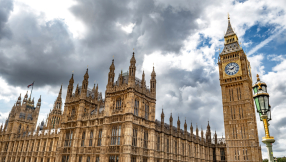
With the Conservative Party selecting a new leader who will become the next Prime Minister and with a cabinet reshuffle on the way, there's no reason to assume this issue will remain on the agenda – unless we insist that it stays there.
That's why Open Doors, along with our supporters, are calling on the next Prime Minister to put in place three basic building blocks so that the UK can become a beacon of hope for persecuted Christians and other religious minorities the world over.
Pursue progress
Firstly, we're calling on the Foreign Office to develop a clear country focus. The department should select a handful of countries where it will pursue progress on the issue of Christian persecution, such as Nigeria.
Open Doors reported in 2018 that over 3,000 Christian were killed on the basis of their faith in Nigeria. If the Foreign Office were to work constructively alongside the government and civil service of Nigeria, and prioritise engagement on the international right to freedom of religion or belief, a real difference could be made over time.
Keep focused
Secondly, having a champion of freedom of religion or belief in government has helped prioritise the issue.
Theresa May appointed a Special Envoy on Freedom of Religion or Belief in July 2018. It's crucial that the next Prime Minister commits to making the position a permanent role and put the individual in place during the first weeks of their premiership.
With greater capacity, the envoy's office could work further with civil society organisations and key NGOs to ensure the most up-to date information on the persecution of religious minorities. Religious literacy can, therefore, be better developed at post level – something the review said was needed in some cases.
Furthermore, if the UK does leave the European Union, the individual in this role should be at the table when future trade deals are negotiated with countries with egregious human rights records such as Turkey, Kazakhstan and Pakistan.
Involve local communities
Finally, unless human rights are a key part of Department for International Development's work, it is very unlikely that countries will improve, particularly as the lives of those needing support in developing countries are almost always given meaning by faith.
It's also key that the role of faith leaders are recognised in development programmes. Local faith actors take a 'whole-person approach' and provide spiritual care as well as social and financial resources to a community. They are best placed to be involved in providing trauma care to those who have been targeted on the basis of their faith.
It's vital that the government recognises that faith identities make certain groups specifically vulnerable. For example, Christian women in Northern Nigeria are targeted by Boko Haram on the basis of their faith as well as their gender.
So, let's call on the UK government to put the building blocks in place, because this crisis isn't going away. Unless action is taken, the 245 million Christians severely persecuted for their faith will only increase in number.
If you want to speak out for persecuted Christians you can email your MP the recommendations on the Open Doors website. Matthew Rees is Head of Advocacy at Open Doors UK & Ireland.