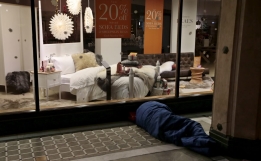
The Housing Crisis is the number one social justice issue in the UK. That's according to a new report issued by the Centre for Theology & Community.
From houses to homes: Faith, power and the housing crisis contains Christian thinking on housing policy and follows it with a number of suggestions for how churches can begin to tackle the housing crisis. They include using church land to build affordable housing, helping churches to support Housing Associations, campaigning for more Community Land Trusts and using Church cash to invest in social housing.
The report says, "It is impossible to work for social justice in London today without addressing the issue of housing. The progress made by community organising campaigns on the Living Wage and responsible lending will be jeopardised if the poorest residents of our city are priced out of their neighbourhoods by soaring housing costs."
The report was commended by organisations working in the housing and homelessness sector, including Housing Justice and West London Mission.
Jon Kuhrt, from West London Mission said, "Housing is London's Big Issue and the lack of affordable homes is an indictment of our society. Rough sleeping has rocketed in the last 5 years – and the churches have been in the front line of responding. Rooted in strong theology, this report is packed with ideas for how the church responds practically. But, it no simple call for more charity, but addresses the issues of politics and power which lie at the heart of social and economic injustice of the housing crisis."
The stark reality of the housing crisis – especially in London – is laid out in the report. It says, "In the capital, the average cost of a home has risen 44 per cent over the past seven years... Rents have risen 16 per cent over five years – but wages only increased by two per cent in the same period."
The report goes on to paint a grim picture of a continuing and deepening crisis unless radical action is taken. "In stark numbers, London's population has grown by approximately a million people over the last 10 years, but we have built only 202,400 new homes. The capital's population is forecast to increase by a further million people by 2021, yet the latest house building figures show only 18,380 new homes were built in 2012/13. This situation is unsustainable."