
The last two months have seen an intensification of the level of discrimination and persecution against Christians, particularly women and young girls. Kidnap, rape, forced marriage and forced conversion to Islam have sadly become everyday occurrences.
No one wants to hear about the degradation of innocent Christian girls, but to remain silent about it would be a greater crime. My hope is that, in sharing news of these crimes, you will not only be better informed of the harsh reality facing so many Christians in Pakistan every day, but also in a better position to help them win justice.
Christians and especially young Christian girls are paying a high price for being Christians in an Islamic society and the proliferation of attacks and accusations in recent months is reaching an unprecedented level. Christian girls are looked down upon with hatred, regarded as inferiors, and treated by men like ‘mal-e-ganimat’ (the term used to describe booty seized during the Islamic war).
In the last few months, three members of the same Christian family have been forced to flee their home because of charges of blasphemy against them, despite there being no evidence to support the claims, and in Faisalabad, the Christian community remains on high alert after two pastors were shot dead after being accused of blasphemy and hundreds of Muslim extremists took part in a demonstration against Christians, burning car tyres and throwing stones at a local church.
My fear is that the prolonged suffering is only sowing a seed of rebellion in the hearts of poor and deprived young Christians. As things move from bad to worse, there is a very real danger that the sense of injustice among Christians will spill over.
Despite religious intolerance being at an all-time high, the Pakistani government, politicians and Muslim religious leaders are failing to take it seriously. The police rarely bother to investigate a case until it is pursued by an NGO, church leader or influential individual. Most of the cases are dropped because of pressure from influential Muslims or because the injured parties – very often being in remote and poor areas of Pakistan - lack the money or know-how to see their complaint through.
That being the case, it is difficult to identify the exact number of cases of persecution but it is likely to be much higher than we think because many cases are simply not reported in the media and oftentimes, victims do not come forward to report the injustices meted out against them.
It gives me no pleasure to bring news of persecution but by doing this, I believe you will be in a better position to identify what part you can play in supporting your brothers and sisters as they continue their struggle to receive the same fair treatment as every other Pakistani citizen. At a time when help is in short supply, pray for them, encourage them with letters and messages of hope, and, most importantly, be their voice where you are.
Nasir Saeed is Coordinator of the Centre for Legal Aid, Assistance and Settlement, a ministry which provides free legal assistance and practical support to persecuted Christians in Pakistan.
60% OFF
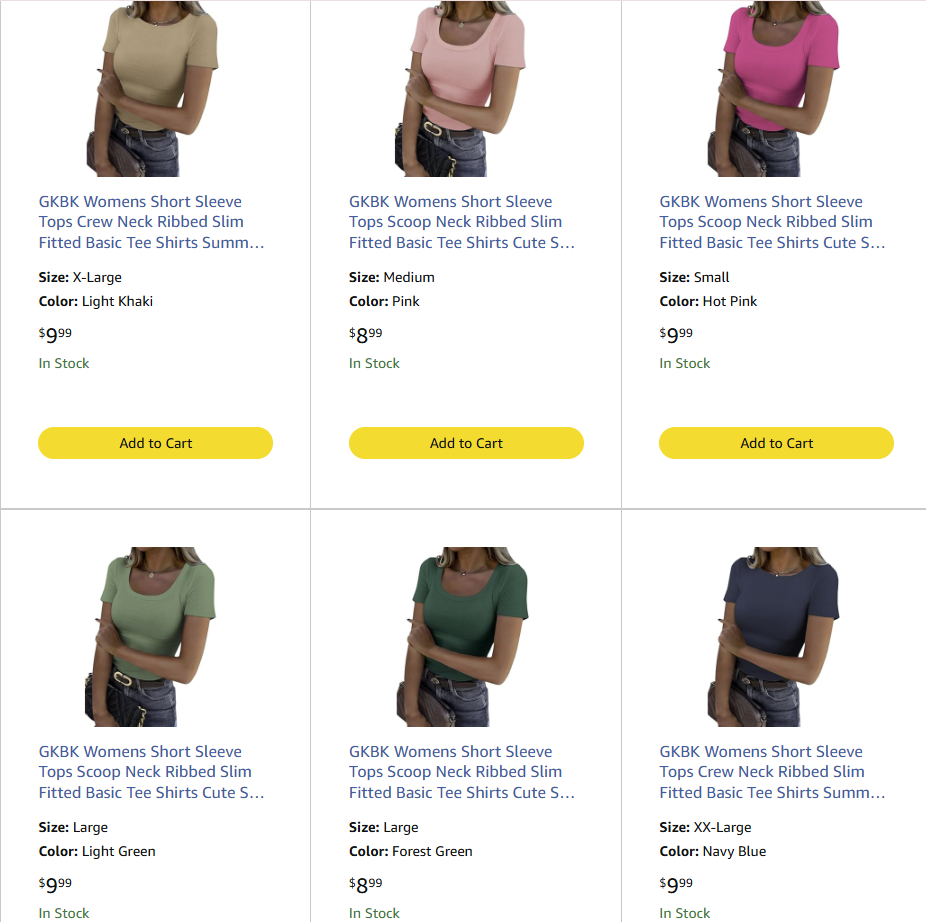
GKBK Women’s Ribbed Short Sleeve Scoop Neck Slim Fit Tee – Stretchy Basic Summer Top 2026 Trendy Outfit Essential
$4 $9.99
75% OFF

Bluetooth Smart Scale for Body Weight - 13 Health Metrics with BMI and Muscle Mass (Black)
$19.99 $79.96
40% OFF

AZDOME GS63Pro 4K Dash Cam: 40% Off - Ultimate Driving Companion
$47.99 $79.99
60% OFF

Ekouaer Women's Satin Silky Pajama Set - Short Sleeve Pullover Top & Wide-Leg Pants
$13.99 $34.99
40% OFF

ANCHEER 38'' Toddler Trampoline - 150lb Capacity Foldable Mini Trampoline with Adjustable Handle
$47.99 $79.99
55% OFF

Ekouaer 3-Piece Maternity & Nursing Pajamas Set - Short Sleeve Top with Shorts and Pants
$14.99 $32.99
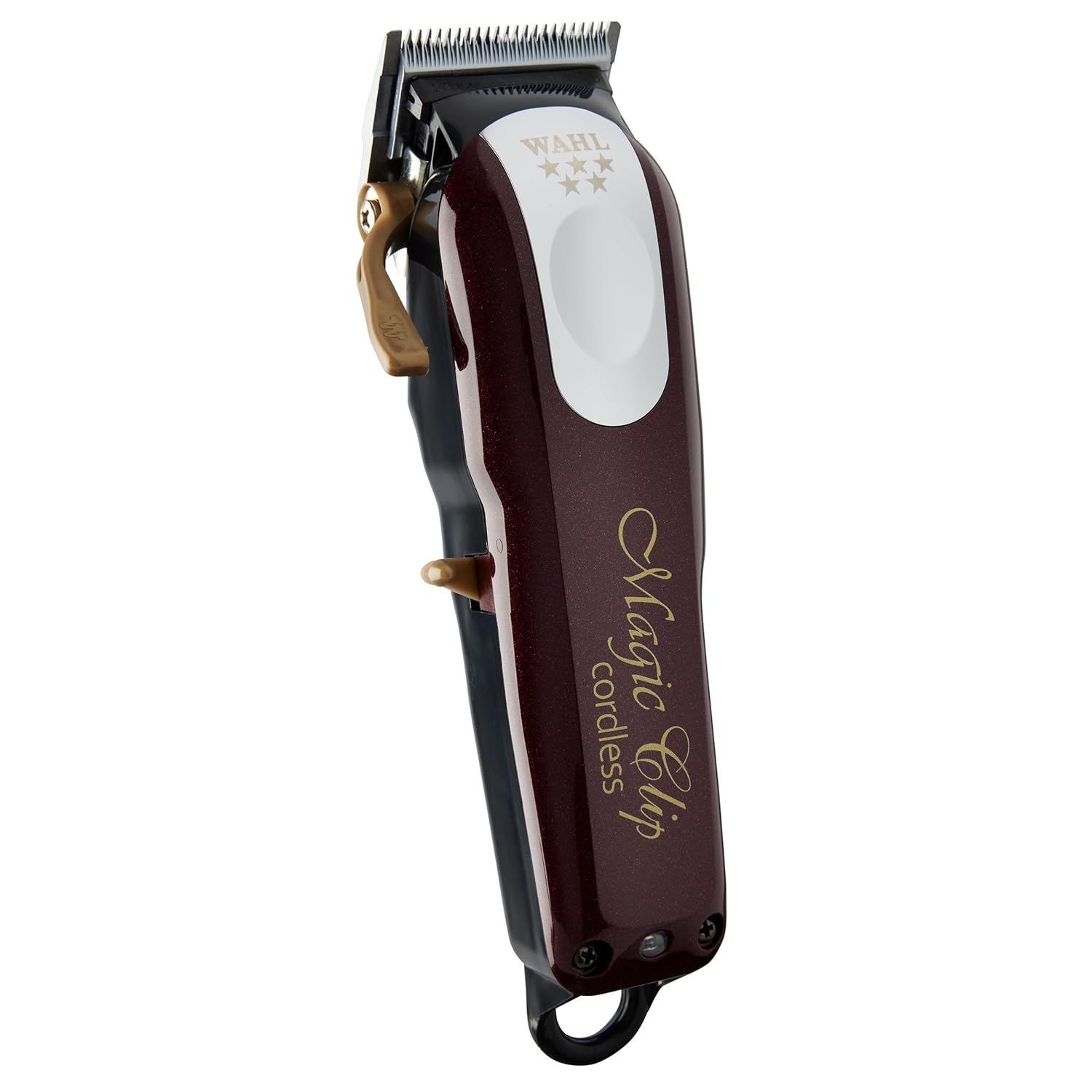
Wahl Professional 5 Star Series Magic Clip Cordless Clipper - Stagger-Tooth Blade Hair Trimmer
$0 $139.99
10% OFF
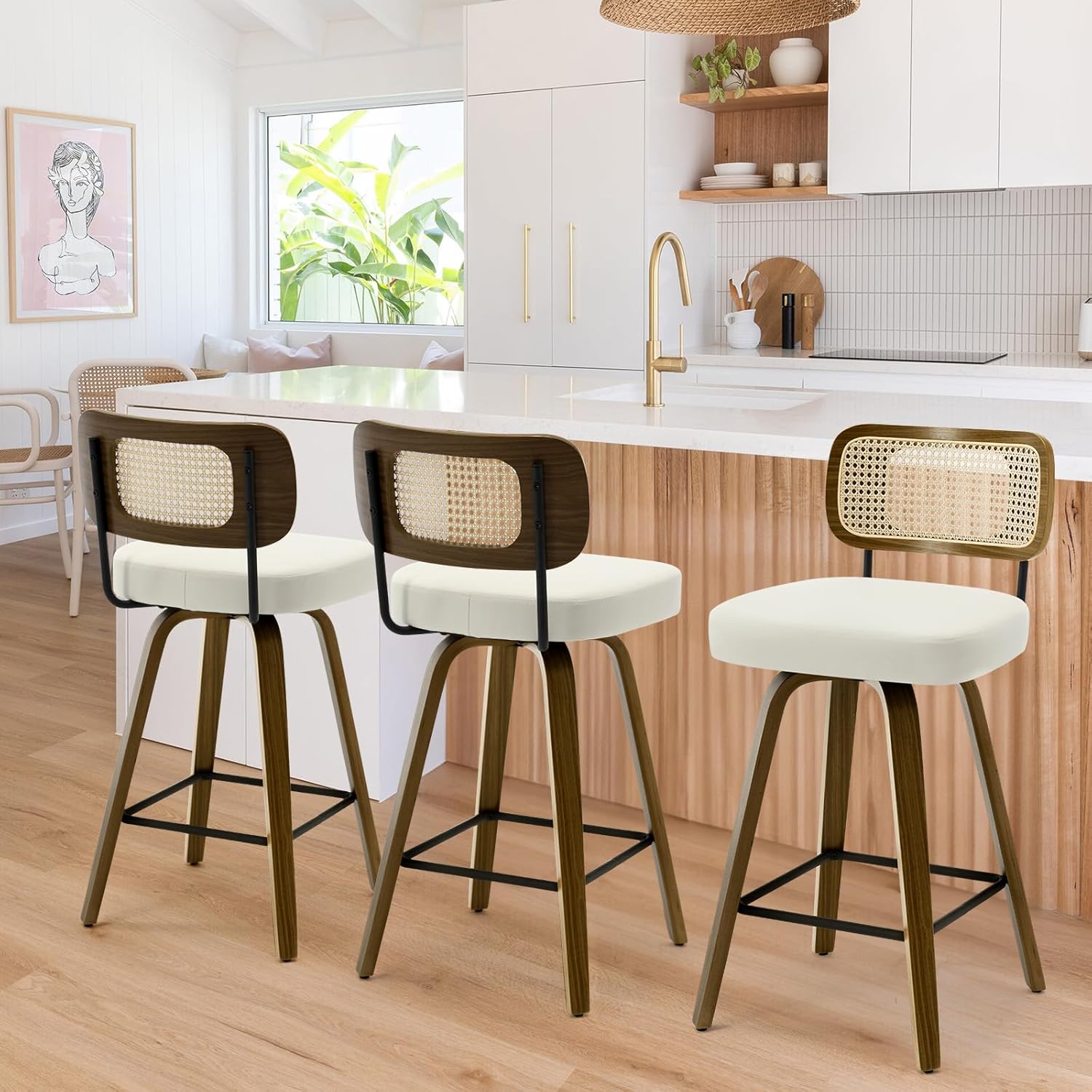
Bekrvio Swivel Counter Height Bar Stools Set of 3 - 26" Mid Century Modern Rattan Back Stools
$223.55 $248.39

Gardner Pet 43" Heavy Duty Dog Crate with Wheels - Indestructible Folding Metal Cage (Black)
$0 $149.99
12% OFF

Elegant Mid-Century Modern Bar Stools - Set of 4
$395.99 $449.99




-

Understanding the reasons for the conviction of Päivi Räsänen
-

Report warns of continued anti-Christian hostility across Europe during April
-

Christians petition for protection of pastors in Colombia following murders
-

Pastor Greg Locke's 20-year-old son dies from drug overdose
-

Who was Mother Julian of Norwich and why is she important?
-

Young Christians engaging with Bible more, survey finds
Most Popular
News

Churches urged to help address UK fostering shortage
Christian charities Home for Good and Safe Families UK are calling on churches across Britain to play a greater role in supporting vulnerable children.

Christians urge UN to keep human rights spotlight on Eritrea
Eritrea is sometimes called the "North Korea of Africa".

Many churches unconcerned about food ethics, survey suggests
A survey conducted on behalf of environmental charity Green Christian has suggested that only a minority of churches take into account ethical concerns when serving food and drink.

Calls for investigation into disappearance of Protestant missionary in southern Mexico
The 79-year-old Protestant missionary has been missing for more than six weeks.
GKBK Women’s Ribbed Short Sleeve Scoop Neck Slim Fit Tee – Stretchy Basic Summer Top 2026 Trendy Outfit Essential
$4
Bluetooth Smart Scale for Body Weight - 13 Health Metrics with BMI and Muscle Mass (Black)
$19.99
AZDOME GS63Pro 4K Dash Cam: 40% Off - Ultimate Driving Companion
$47.99
Ekouaer Women's Satin Silky Pajama Set - Short Sleeve Pullover Top & Wide-Leg Pants
$13.99
ANCHEER 38'' Toddler Trampoline - 150lb Capacity Foldable Mini Trampoline with Adjustable Handle
$47.99
Ekouaer 3-Piece Maternity & Nursing Pajamas Set - Short Sleeve Top with Shorts and Pants
$14.99
Wahl Professional 5 Star Series Magic Clip Cordless Clipper - Stagger-Tooth Blade Hair Trimmer
$0
Bekrvio Swivel Counter Height Bar Stools Set of 3 - 26" Mid Century Modern Rattan Back Stools
$223.55
Gardner Pet 43" Heavy Duty Dog Crate with Wheels - Indestructible Folding Metal Cage (Black)
$0
Elegant Mid-Century Modern Bar Stools - Set of 4
$395.99