Changes to tax credits will cause financial misery for working families, according to a report by a leading Christian charity.
CARE says the proposed changes to tax credits will mean three million working families will lose an average of £1,400 a year. On top of that, the charity claims that many families will effectively have an 80 per cent tax rate as they will only keep 20p out of every £1 they earn.
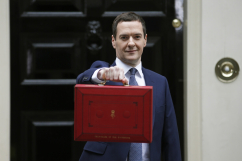
Tax credits were initially introduced by Gordon Brown when he was chancellor. They were intended as a means of helping the low-paid out of welfare dependency and in to work by allowing working families on low incomes to keep some or all of their benefit money. However in July, George Osborne announced his intention to change the system by reducing the level of earnings at which they start to be withdrawn and increasing the rate at which they are withdrawn.
CARE, who have campaigned for the recognition of marriage and family responsibilities in the tax system, urged the government to provide alternative support.
"We already have a tax system where income tax takes no account of family responsibilities so at the very least, if tax credits are going to be phased out, tax reliefs should be phased in for families," said CEO Nola Leach.
"The eye-watering marginal tax rate means it is going to be very hard for families to compensate for tax credit losses through extra work and they now face a black hole in their finances when these changes come into force.
The report launched on CARE's website and written by their fiscal policy consultants found that many families will not have enough income to provide "a minimum acceptable standard of living."
"It will be almost impossible for these families to replace the lost income by working more because so much of any extra income would be lost as a result of the very high effective tax rates," it said.
George Osborne's summer budget announced significant changes to the tax credit system as part of his attempt to cut £12bn from the welfare bill, as promised in the Conservative manifesto. It is thought the changes will save £4.4bn from the bill.
With increasingly prominent experts in economics calling for an end to austerity and an injection of spending, Leach stopped short of opposing Osborne's deficit reduction plans but said the burden must not lie on working families.