One of the victims of John Smyth, who abused young men at Christian 'boot camps' for evangelicals in the 1970s and 80s, has spoken of his regret that Smyth died before he could be brought to justice.
Smyth, who was accused of sadistically beating young men he groomed at the Iwerne camps, died at his home in Cape Town aged 77 following a heart operation. Hampshire police had reportedly requested he return to the UK for questioning.
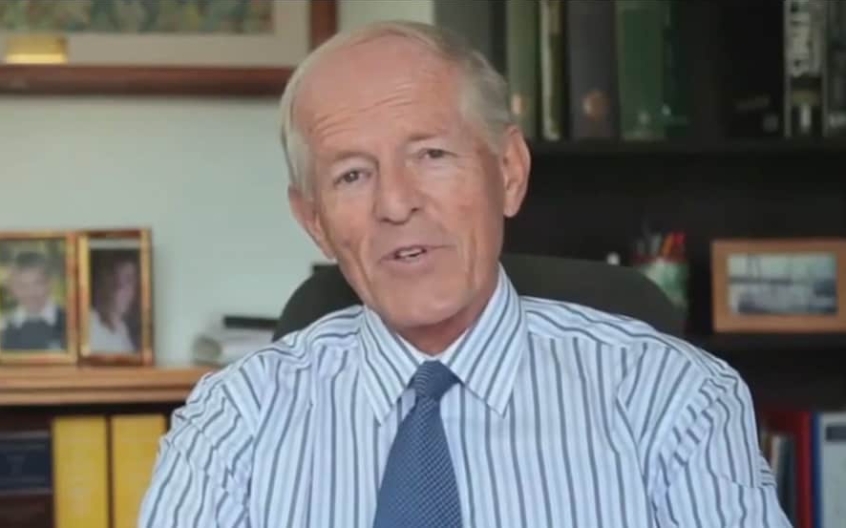
In an interview for the Daily Telegraph today, Andrew Morse detailed the horrifying abuse he suffered at Smyth's hands, saying the QC had poisoned his life 'with a cruelty and violence beyond anything my young mind could ever have imagined'.
Morse, with many others, had suffered prolonged beatings at Smyth's hands and suffered years of post-traumatic stress disorder and depression. He told the Telegraph: 'I would have forgiven Smyth. I deeply regret that I never had the chance to tell him so. I also regret that I'll never get to see him brought to justice. Doing so would have completed by circle of abuse.'
Another of Smyth's victims was the Bishop of Guildford, Andrew Watson, who said he suffered a 'violent, excruciating and shocking' beating in Smyth's garden shed.
The Archbishop of Canterbury, Justin Welby, was also involved in the Iwerne camps but has said he was never a member of the 'inner circle' and knew nothing of the abuse.
A Church of England spokesman said: 'The Archbishop has stated that he knew nothing about the abuse at the time and when he learnt the full extent in 2017 he issued a personal apology to all the survivors and a full statement. Safeguarding has always been an absolute priority of his ministry.'