
Subsistence farmers from some of the world's poorest countries are offering their tips to people in Britain who have turned to growing their own fruit and veg as the nation tightens its purse strings in the recession.
Many small-scale farmers rely on their land to feed their families and use organic farming methods that follow centuries of tradition. Catholic aid agency Progressio is collecting the tips from the so-called ‘land to mouth’ farmers to highlight the crucial role they play around the world.
The tips come amid a revival of home growing across the UK, with sales of fruit and veg seeds up by 28 per cent. Even those without gardens can grow their own produce.
“Don’t despair if you haven’t much room – you can still get produce from plants grown in old tins and tubs on window sills or balconies,” says Faustino Reyes Matute, a 52-year-old farmer from San Marcos in Honduras.
Mary Gerald produces enough organic produce on her small farm in Chiola village in Lilongwe, Malawi, to feed her family of eight and sell a little surplus at the local market.
“Collect and save rainwater to water your plants by investing in a water butt,” she says.
The tips have been approved by the Royal Horticultural Society and include advice on how to tackle pests, control weeds organically, and maximise crop yields. Tips that did not make the RHS approval included advice on how to dig your own well and adding dried blood to organic fertiliser.
Guy Barter, Head of Advice at the RHS, said: “Growing your own food is seen as an enjoyable activity in Britain, but elsewhere it can be a matter of life and death. The ingenuity of people in this position can be inspiring and their advice helpful.”
Progressio said small-scale farmers were essential to solving the escalating food crisis across the globe.
“These farmers are real professionals,” says Petra Kjell, Progressio’s Environmental Policy Officer. “They have to be – their lives depend on it. And given half a chance they could play a key role in solving the global food crisis.
“Not only do they produce food to feed two billion people – a third of humanity – many do so in a sustainable way, managing a large proportion of the world’s water supply and preserving the soil’s fertility.”
Progressio warned, however, that the livelihoods of small-scale farmers, particularly those in developing countries, were being jeopardised by large-scale commercial agriculture and cuts in government funding.
The aid agency is urging government leaders not to forget small-scale farmers and the negative impact of the banking crisis when they gather for the G20 summit in London on April 2.
Tim Aldred, Progressio Policy Manager, comments: “We can learn a lot from these people and they have much to offer – but they need our support and the world’s leaders and policymakers need to wake up to this fact.
“This is an easy win for world leaders and land-to-mouth farmers alike. Investing in agriculture in developing countries by getting seeds, tools, sustainable practices and credit to smallholder farmers so they can produce more food and get it to local and regional markets, must be built in to any measures to tackle the financial crisis.
“Big farms are not the only solution. Small-scale farmers deliver the food that feeds a third of humanity – we simply cannot afford to ignore them.”
Progressio is calling on governments to provide more investment and support for small-scale farmers by giving them higher priority in national budget allocations and overseas aid budgets.
Governments are also being urged to help build the capacity of small-scale farmers to enable them to contribute to policy-making at a local, national and international level.
On the web:
For the full list of tips and further information on Progressio’s drive to highlight the situation facing land-to-mouth farmers, visit: www.progressio.org.uk
60% OFF
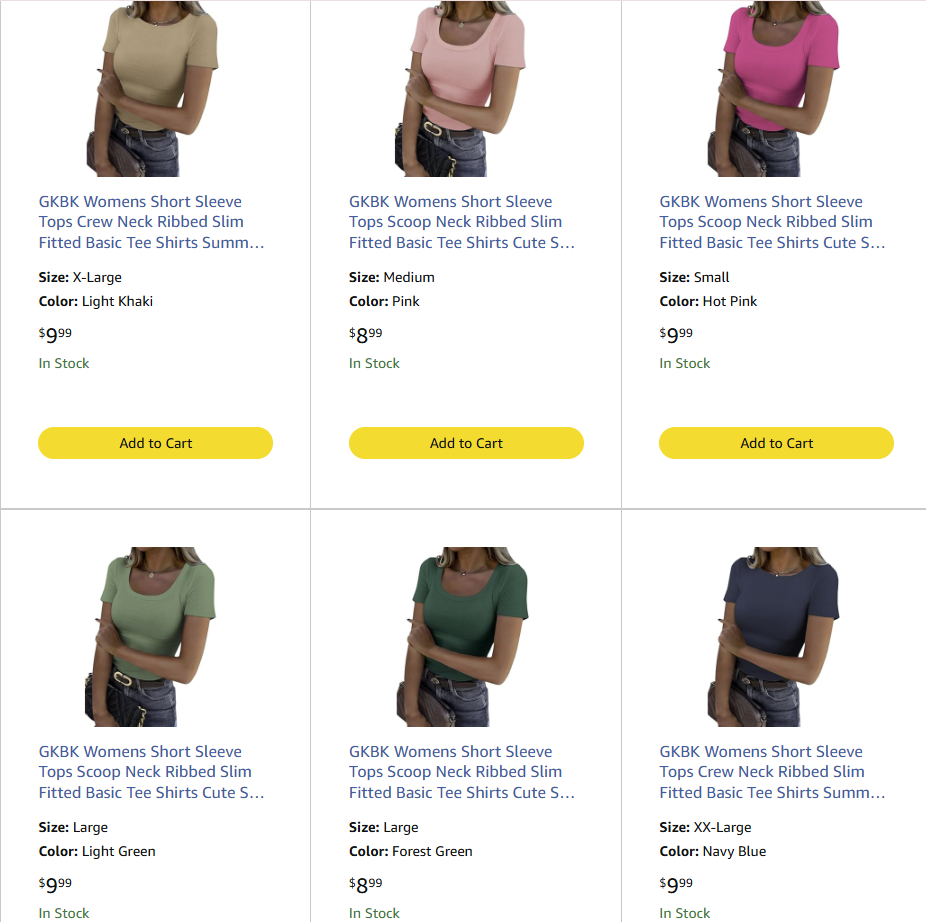
GKBK Women’s Ribbed Short Sleeve Scoop Neck Slim Fit Tee – Stretchy Basic Summer Top 2026 Trendy Outfit Essential
$4 $9.99
75% OFF
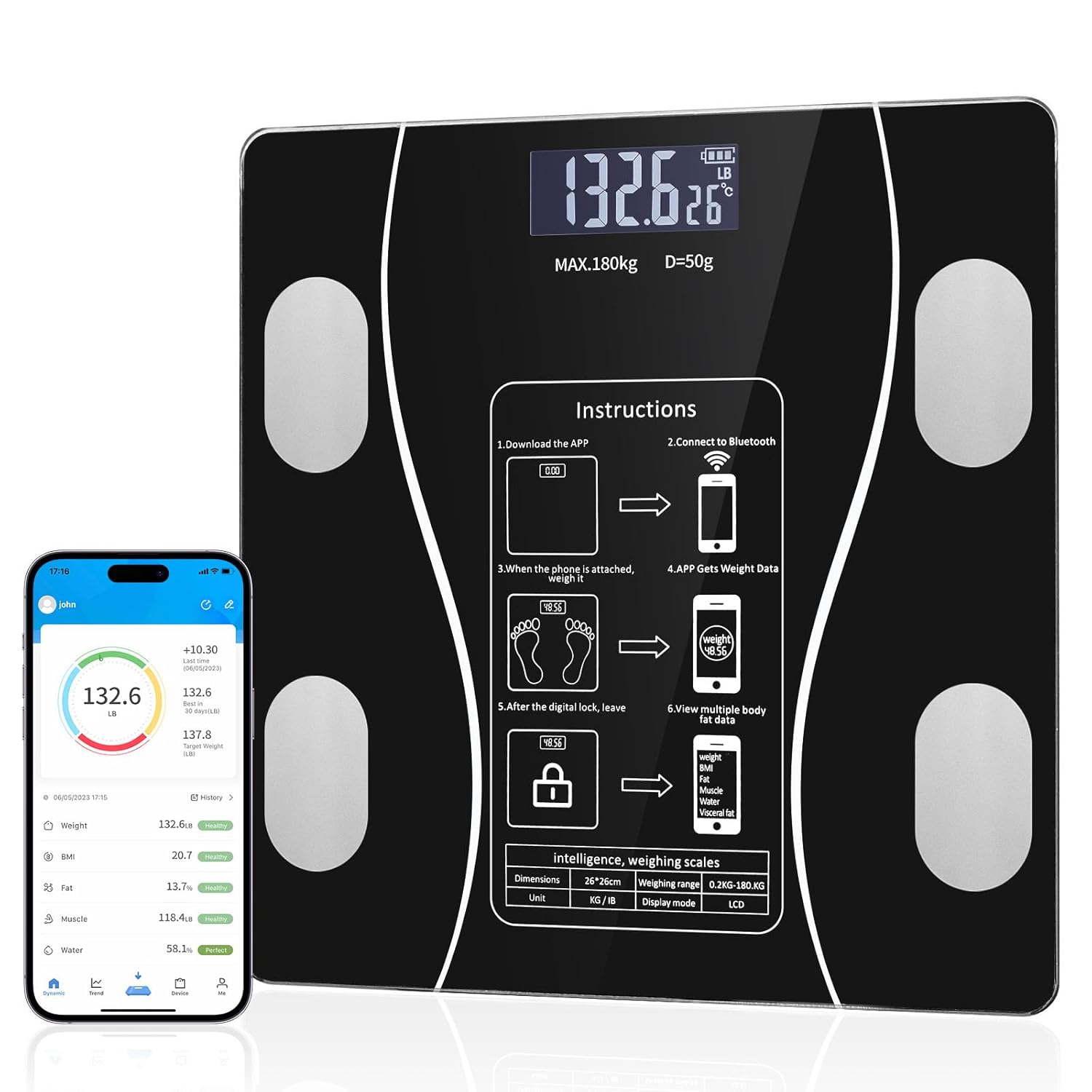
Bluetooth Smart Scale for Body Weight - 13 Health Metrics with BMI and Muscle Mass (Black)
$19.99 $79.96
40% OFF

AZDOME GS63Pro 4K Dash Cam: 40% Off - Ultimate Driving Companion
$47.99 $79.99
60% OFF

Ekouaer Women's Satin Silky Pajama Set - Short Sleeve Pullover Top & Wide-Leg Pants
$13.99 $34.99
40% OFF

ANCHEER 38'' Toddler Trampoline - 150lb Capacity Foldable Mini Trampoline with Adjustable Handle
$47.99 $79.99
55% OFF

Ekouaer 3-Piece Maternity & Nursing Pajamas Set - Short Sleeve Top with Shorts and Pants
$14.99 $32.99
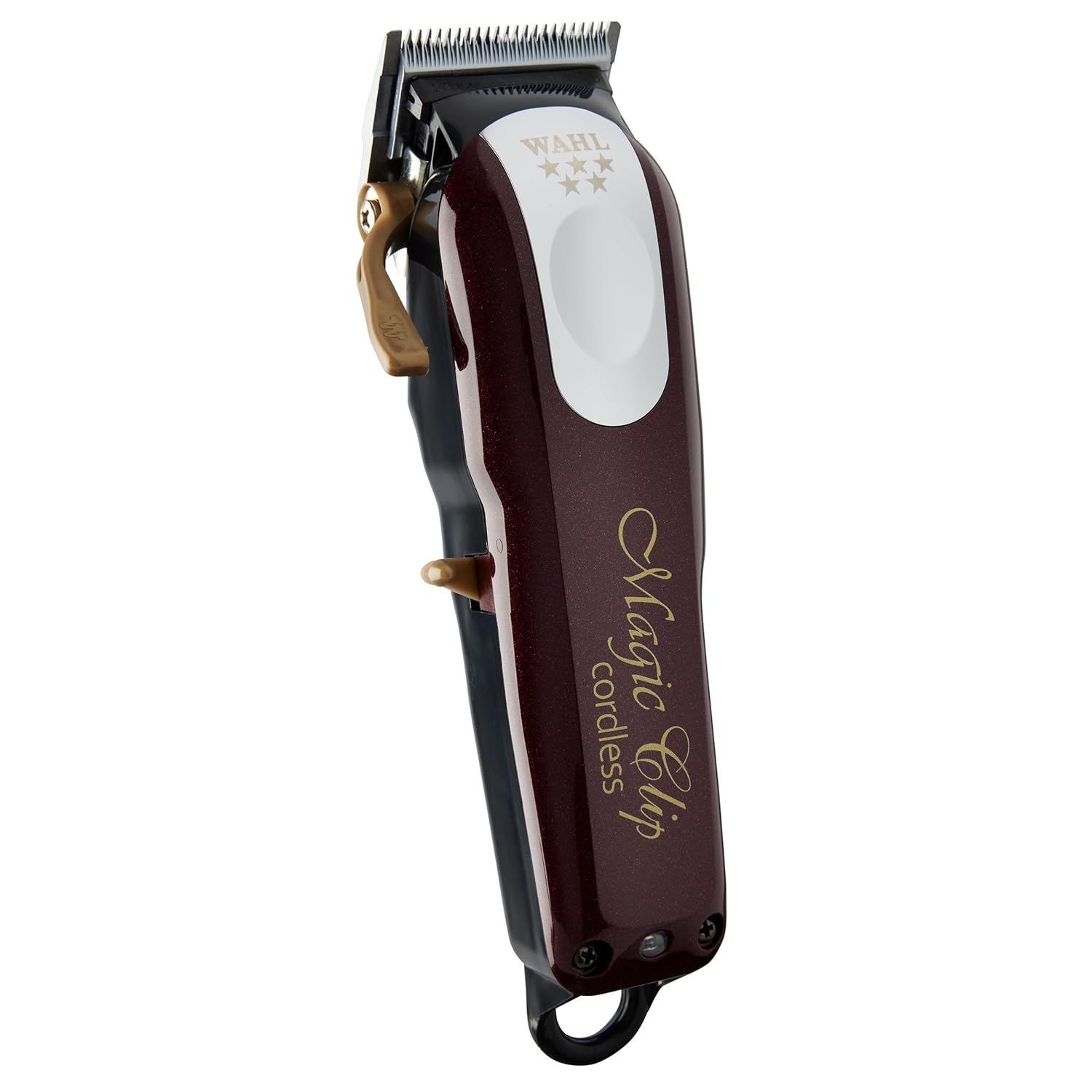
Wahl Professional 5 Star Series Magic Clip Cordless Clipper - Stagger-Tooth Blade Hair Trimmer
$0 $139.99
10% OFF

Bekrvio Swivel Counter Height Bar Stools Set of 3 - 26" Mid Century Modern Rattan Back Stools
$223.55 $248.39

Gardner Pet 43" Heavy Duty Dog Crate with Wheels - Indestructible Folding Metal Cage (Black)
$0 $149.99
12% OFF

Elegant Mid-Century Modern Bar Stools - Set of 4
$395.99 $449.99




-

Understanding the reasons for the conviction of Päivi Räsänen
-

Report warns of continued anti-Christian hostility across Europe during April
-

Christians petition for protection of pastors in Colombia following murders
-

Pastor Greg Locke's 20-year-old son dies from drug overdose
-

Who was Mother Julian of Norwich and why is she important?
-

Young Christians engaging with Bible more, survey finds
Most Popular
News

Churches urged to help address UK fostering shortage
Christian charities Home for Good and Safe Families UK are calling on churches across Britain to play a greater role in supporting vulnerable children.

Christians urge UN to keep human rights spotlight on Eritrea
Eritrea is sometimes called the "North Korea of Africa".

Many churches unconcerned about food ethics, survey suggests
A survey conducted on behalf of environmental charity Green Christian has suggested that only a minority of churches take into account ethical concerns when serving food and drink.

Calls for investigation into disappearance of Protestant missionary in southern Mexico
The 79-year-old Protestant missionary has been missing for more than six weeks.
GKBK Women’s Ribbed Short Sleeve Scoop Neck Slim Fit Tee – Stretchy Basic Summer Top 2026 Trendy Outfit Essential
$4
Bluetooth Smart Scale for Body Weight - 13 Health Metrics with BMI and Muscle Mass (Black)
$19.99
AZDOME GS63Pro 4K Dash Cam: 40% Off - Ultimate Driving Companion
$47.99
Ekouaer Women's Satin Silky Pajama Set - Short Sleeve Pullover Top & Wide-Leg Pants
$13.99
ANCHEER 38'' Toddler Trampoline - 150lb Capacity Foldable Mini Trampoline with Adjustable Handle
$47.99
Ekouaer 3-Piece Maternity & Nursing Pajamas Set - Short Sleeve Top with Shorts and Pants
$14.99
Wahl Professional 5 Star Series Magic Clip Cordless Clipper - Stagger-Tooth Blade Hair Trimmer
$0
Bekrvio Swivel Counter Height Bar Stools Set of 3 - 26" Mid Century Modern Rattan Back Stools
$223.55
Gardner Pet 43" Heavy Duty Dog Crate with Wheels - Indestructible Folding Metal Cage (Black)
$0
Elegant Mid-Century Modern Bar Stools - Set of 4
$395.99