Coded documents left by one of the founders of the modern missionary movement have been deciphered by a student at the University of St Andrews.
Baptist leader Andrew Fuller (1754-1815) was a supporter of William Carey, the first modern missionary to India, and hugely influential in the growth of the Baptist movement.
Fuller, the son of a poor tenant farmer in Cambridgeshire wrote The Gospel Worthy of All Acceptation, which challenged the hyper-Calvinism of Particular Baptists and encouraged them to reach out in mission.
While many of his works are well known to scholars, manuscripts in the library of Bristol Baptist College have remain unread for centuries because they were written in his own personal shorthand.
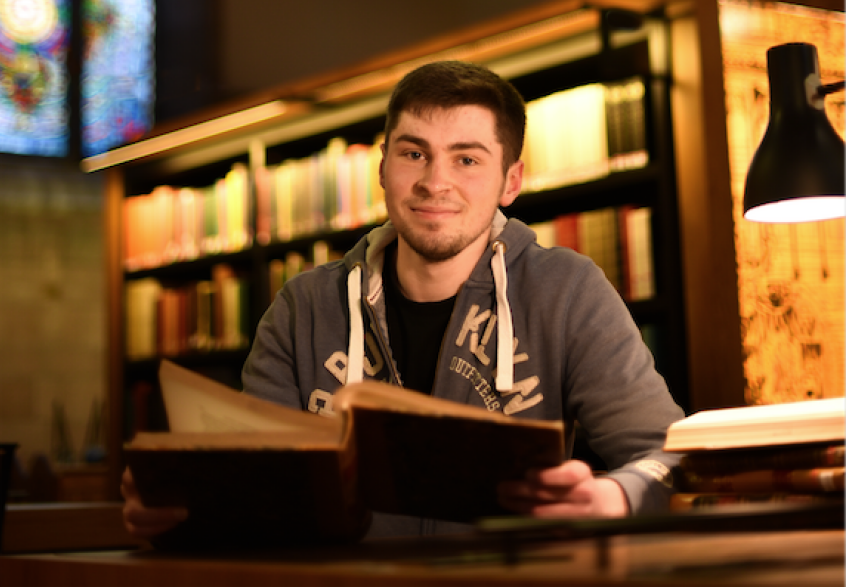
But a hunch by Dr Steve Holmes, head of St Andrews' School of Divinity led to one of his third-year students, Jonny Woods, cracking the code.
Holmes found that one of the shorthand manuscripts was headed in longhand, ''Confessions of Faith, Oct. 7 1783'.
Knowing this was the date of Fuller's induction into the pastorate of a church in Kettering and that he would have been required to give a confession of faith as part of that service, he wondered if a copy of the confession printed in a biography might help him crack the code.
After discovering that the two texts were the same, he recruited Jonny Woods through the University's Undergraduate Research Assistant scheme to help.
After just a few weeks Woods was able to translate the shorthand, using the longhand version as a kind of Rosetta stone, allowing him to read two of the most historically significant sermons from the collection.
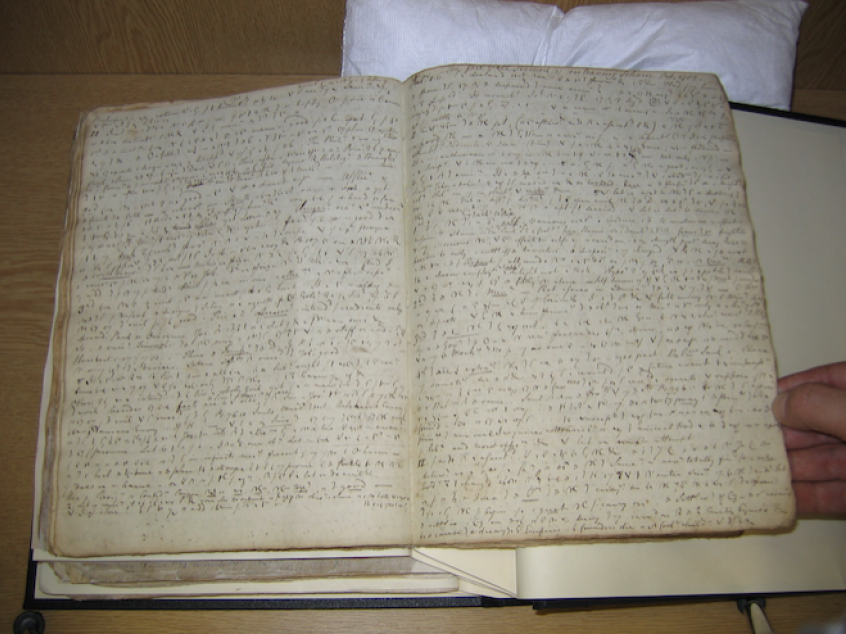
These were the sermons he preached on his last Sunday at his church in Soham, which he had agonised about leaving.
Woods said: 'It is such an honour to be the first person to read Andrew Fuller's sermons and to allow people to get an insight into this incredible man and the amazing stories he has to share.
'I'm excited to continue working on the vast collection of work that he has left to us, in the hope that we can understand more about his thinking and how this developed throughout his ministry.'
Holmes said: 'Andrew Fuller stands as the figurehead, the "patron saint" almost, of the church tradition of which I am a part. To be reading words of his that no-one had read since he preached them in 1782 – it's one of those moments you live for as an academic.'
Fuller was a profoundly signficant figure in the Baptist story, he told Christian Today. 'First, he wrote the book that brought Particular Baptists into the evangelical movement, overcoming hard-line Calvinism,' he said. 'All contemporary British Baptists are his heirs.
'Second, he was instrumental with William Carey in founding the Baptist Missionary Society and was indefatigable in promoting it, travelling throughout England, Wales and Scotland.'
He said it was quite common for preachers of the time to use personal shorthand. Fuller often preached without notes, but around a quarter of the shorthand manuscripts had been folded, indicating that they may have been taken into the pulpit with him – including the two from Soham, perhaps showing that they contained carefully composed paragraphs he wanted to read out.
While the task of deciphering the remaining manuscripts is not entirely straightforward as they were written over a period of several years and Fuller's shorthand developed over time, the sermons will be edited and prepared for publication in a new critical edition of his works.