The Serbian Orthodox Church plans to change its name to stress connections with Kosovo, the former Serbian province that gained independence in 2008. The controversial move is seen as clashing with the Serbian government's conciliatory efforts with Kosovo.
Patriarch Irinej of the Serbian Orthodox Church told the Belgrade-based Kurir newspaper yesterday that through a draft change to its internal constitution, it will be renamed as the Serbian Orthodox Church-Pec Patriarchate.
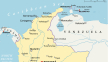
The change references Pec, now a largely Albanian town in Kosovo but once the centre of the Serbian Orthodox Church. The Serbian Patriarchate of Pec existed from 1346-1766 before it was lost to Ottoman Turks, but the Church sought to recover the historic connection when Serbia regained independence in 1879.
'Pec remains ... (a testimony) to our past, of patriarchs and archbishops, and no matter what happened, Pec remains the historical centre of our Church,' Irinej said.
But the move is expected to hinder the efforts of the Serbian government to demonstrate a healthy diplomatic relationship with the country's former province, a prerequisite for Serbia to join the European Union.
'This is a sort of a message which indicates opposition [to state policies]...Views of churches do not always reflect state views about territories,' Zoran Stojiljkovic, a lecturer with Belgrade's Faculty of Political Sciences, told Reuters.
The Serbian Orthodox Church has become known for its conservative and even nationalist politics, and for its opposition to Kosovo's independence. Several of its churches and monasteries in Kosovo were destroyed by Albanian forces ahead of the 2008 victory, but a small Serb minority has remained in the province.
Additional reporting by Reuters