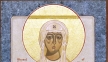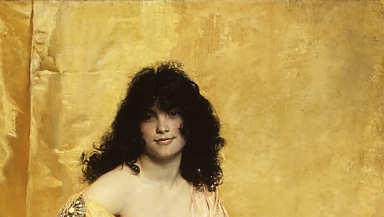
Mark 6:14-29 tells the story of the death of John the Baptist at the hands of Herod. Most people know the story. Apart from the Bible, it's told in paintings and grand opera. There's a whiff of evil decadence about it – Salome's seductive dance before her stepfather, his rash promise to give her whatever she wants, and her mother's deadly instruction: "The head of John the Baptist." It has all the ingredients of a certain type of Hollywood film. It's full of colour – particularly the colour of blood. It explores the darkest of human instincts and motivations.
But this is not really a story about evil. It is a story about goodness – the goodness of John the Baptist.
First, it speaks of the demands of goodness.
Herod Antipas had married Herodias, who had married and divorced his brother Philip (also, confusingly, called Herod). As the Jewish historian Josephus described it in shocked tones: "Herodias took upon her to confound the laws of our country, and divorced herself from her husband while he was alive, and was married to Herod Antipas." John could not stay silent in the face of what he believed was wickedness; he had to speak. Religion is not just about bring nice to people. It makes us do things we don't want to do and stand up for unpopular causes.
Second, it speaks of the cost of goodness.
Verse 17 says Herod had John bound and put in prison. Josephus says this was the terrible desert fortress of Machaerus. He would pay with his life for offending Herod's family. We cannot expect standing up for the truth to come without a price. In the story of Nebuchadnezzar and the fiery furnace in Daniel 3, Shadrach, Meschach and Abednego tell the king they will not bow before the image he has set up and that God is able to rescue them from the flames. The point of the whole story, however, is in the next line: "But even if he does not, we want you to know, O king, that will will not serve your gods or worship the image of gold you have set up" (verse 18). Even if there are consequences to standing fast, it's still what we are called to do.
Third, it speaks of the attractiveness of goodness.
Herod could not lock John up and forget him; neither would he willingly have executed him. He was drawn to his conversation and his teaching even while he rejected it.
The world cannot be indifferent to goodness. It may hate and despise it, but it recognises the spiritual power of a good man or woman. It is unsettling. It makes people question how they are living and what they should be doing with their lives. Sometimes it makes them angry.
John the Baptist – Jesus' cousin – was a good man who paid the price. All the qualities he showed, Jesus showed too. He spoke truth to power and paid with his life – but during the last 2,000 years billions of people have been attracted to him.
Goodness is challenging and costly. But it is part of our discipleship and it is what Christians are called to.
Follow Mark Woods on Twitter: @RevMarkWoods