And all of us, with unveiled faces, seeing the glory of the Lord as though reflected in a mirror, are being transformed into the same image from one degree of glory to another; for this comes from the Lord, the spirit (2 Corinthians 3:18).
Safeguarding from abuse and responding well to it is grounded in the fundamental themes of Christian theology. It should be woven into the fabric of the Church.
Churches should be places where all are welcomed into open and secure communities that make known Christ's reconciling peace. What we know is that in the past at times we have failed. This is why as a Church we are being investigated by IICSA, and why we have a major safeguarding debate and fringe event at General Synod next month.
What we also know is that we are still on a journey to getting it right. I have heard the voices of survivors and victims of abuse – and met with them - who say we have not moved quickly enough and call for an independent safeguarding systems in the Church of England.
I would agree to some extent that we should be moving quicker and I know we have not yet involved survivors and victims in a way that they, or I, would have liked. I am concerned that we have not yet understood what it is or looks like to put victims and survivors at the heart of what we do. But we have made progress and I do not think we should jump to the conclusion that a safeguarding system which is independent of the Church of England will fix everything. I do not believe that the Church should lose responsibility for ensuring that it is a safe place.
I do, however, believe there is a need for more independent scrutiny and, because of the level of trust in the Church, I would support the principle of an independent place where people can disclose to, where they will then be appropriately and professionally supported throughout an investigation. More work will need to be done on exploring the practicalities of such a system and the options for strengthening the independent investigation against clergy. Ultimately, though, we do need to take the mental and physical health of those that disclose seriously, and their needs will be often better met by others.
Over the last few years I believe that we have begun to see significant changes. Improved resourcing, new policies and procedures, better designed training, audits of all the dioceses in the Church of England, undertaken by the Social Care Institute for Excellence, and their current research into the Church's response to survivors.
We are involved in culture change. Culture is about 'the way we do things around here.' Culture change is also way more successful if it is understood what good looks like, when it is led by the leaders, informed by those that it affects and when behaviours are reinforced by training, communication, mentoring and audit.
Culture change does not just happen and the 'way we do things around here' does not change unless it is owned by those that are part of the culture. The leadership for safeguarding must remain within the Church, as the responsibility of the diocesan bishop. Policies and procedures must be implemented by those in the parishes who are supported by safeguarding officers appropriately trained and resourced within the diocese to ensure a safe church. Anything less would turn what are behaviours at the heart of the gospel into something which is seen as a bureaucratic check list. We need to reflect more fully on the balance between independence and responsibility. The wider public sector has a long tradition of knowing that it needs to get this balance right.
We together are involved in a transformation which has begun, and I long to see. My prayer is that we will see changes of heart and of 'the way we do things around here'. I hope that this will be reflected in the tone of the debate and fringe event at Synod.
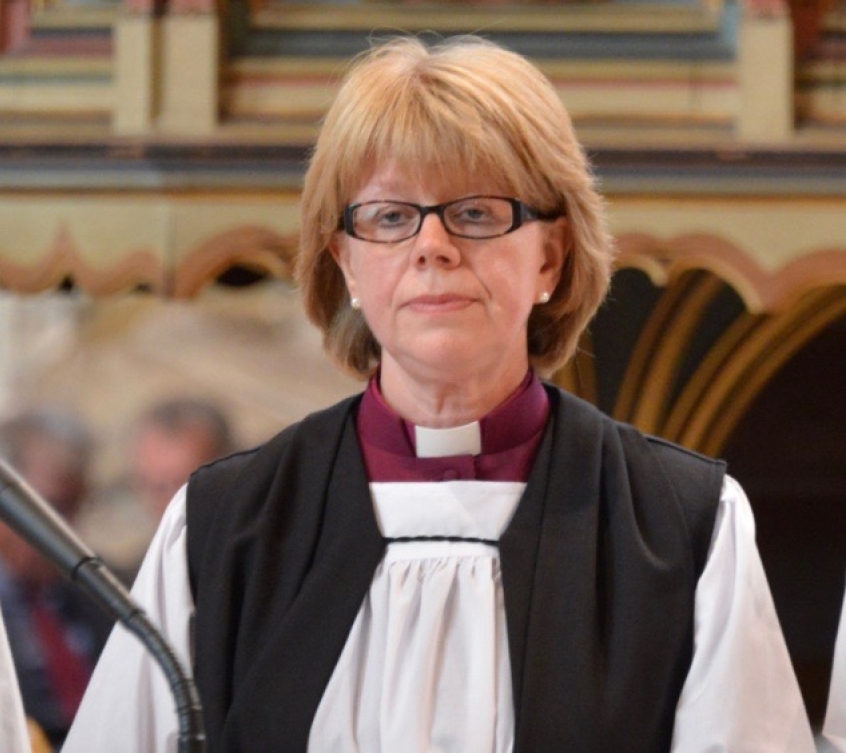
Rt Rev Sarah Mullalley is bishop of London.