
I was delighted to read that the Archbishop of Canterbury chose to highlight the place of RE in his final Easter Sunday sermon. If nothing else it made a welcome change from the issues of gay marriage and women clergy.
He was right to focus on it too. It does seem strange that religious education has been left out of the new English Baccalaureate despite protests from the church, and a nationwide petition calling for its inclusion signed by more than 120,000 people.
We have discovered a similar enthusiasm for spiritual issues in Wales. In just under a month a petition to protect collective worship sponsored by Evangelical Alliance Wales has collected over 2,200 signatures – the second highest number since the Welsh Assembly started their petition system four years ago – and almost eight times as many as a similar British Humanist Association petition that called for its abolition.
The petition has even gained support in the Muslim community with Saleem Kidwai of the Muslim Council of Wales suggesting that collective worship is good for all people in Wales because: “It provides children and young people of all backgrounds and faiths an opportunity to learn about spirituality.”
Even the BBC’s “Newsround” has entered the ring. It marked its 40th anniversary by focusing on the issue of children’s spirituality. The programme surveyed over 1,000 children aged 6 to 12, and then 1,000 adults who'd been that age 40 years ago, before comparing the answers. Astonishingly, it discovered that today’s children are twice as likely to say that religion is important compared to 40 years ago – although they are half as likely to know the Lord's Prayer.
Much has been about this widespread ignorance of the Lord’s Prayer, but the survey raises lots of other issues too. We might well ask, for example, why the production team opted to focus on the question of spirituality in the first place, given the prevailing secular environment. In fact it made me smile. It seems to suggest that you can take children out of the church but you can’t take the God-shaped hole out of a child!
Dr Williams was surely right when he asserted that, “There is plenty to suggest that younger people, while still statistically deeply unlikely to be churchgoers, don’t have the hostility to the faith one might expect,” and that young people take faith seriously “when they have a chance to learn about it”.
But true as that is we should never rely on our schools to promote our faith; that’s the church’s job! It’s why I grasp every opportunity I can to get children thinking about “the bigger issues”. And it’s what makes me such an avid supporter of the ‘GSUS Live Project’.
‘GSUS Live’ offers secondary pupils an interactive learning experience designed to show the relevance of Jesus’ teaching in the three key areas of fear, rejection and forgiveness. Two mobile classrooms, complete with a fully functioning multimedia computer suite, accommodate classes of up to 32 Key Stage 3 pupils for a 45 to 60 minute lesson.
It’s been thrilling to see classes of twenty and more completely absorbed by the challenges thrown up during their lessons, and seriously wondering what advice they should give their “virtual friend”.
Interestingly, one local teacher told me that, in her experience, the majority of pupils opt to deal with the issue of rejection. That’s quite disturbing but it ought to remind us that we have good news for those who feel this way. God knows what is to be rejected too, but he continues to love us in spite of that.
I’m glad to say that the Pembrokeshire pupils experienced the ‘GSUS Live Project’ just before Easter were not taught to mindlessly recite the Lord’s Prayer but they were assured that God loves them unconditionally. And when it comes down to it, we all need to know that!
40% OFF

AZDOME GS63Pro 4K Dash Cam: 40% Off - Ultimate Driving Companion
$47.99 $79.99
52% OFF
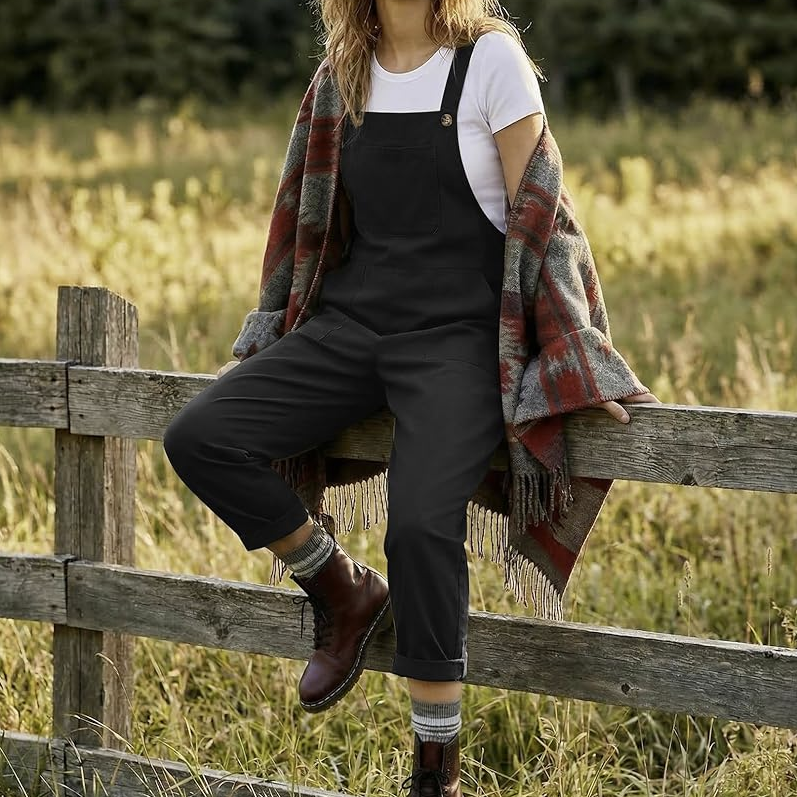
Ekouaer Baggy Bib Overalls for Women - Loose Fit Jumpsuit with Adjustable Straps & 5 Pockets
$12 $24.99
60% OFF

Ekouaer Women's Satin Silky Pajama Set - Short Sleeve Pullover Top & Wide-Leg Pants
$13.99 $34.99
20% OFF
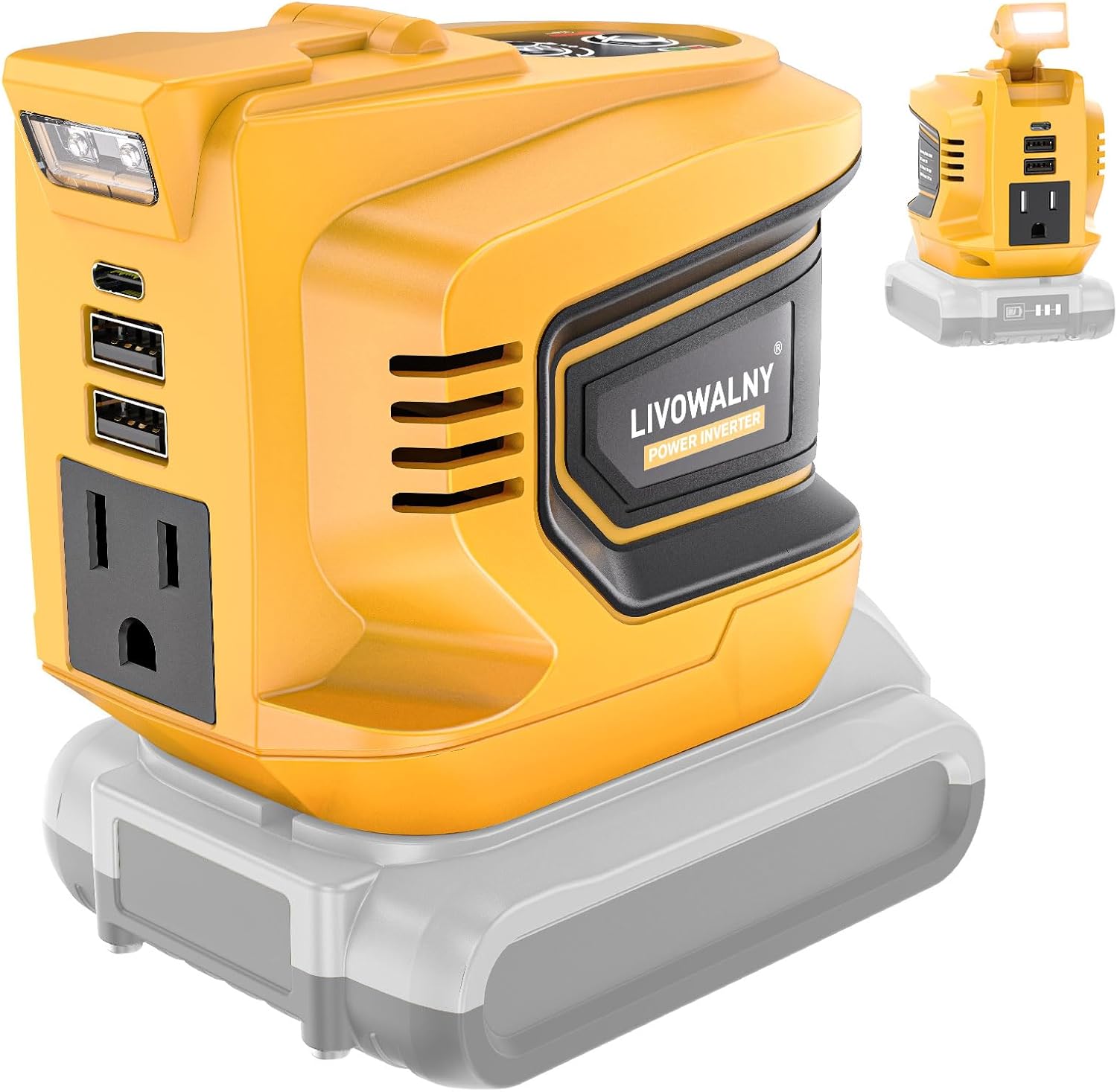
LIVOWALNY 200W Power Inverter for DeWALT 20V Battery - Portable 110V AC Outlet & USB-C Station
$23.89 $29.99
40% OFF

ANCHEER 38'' Toddler Trampoline - 150lb Capacity Foldable Mini Trampoline with Adjustable Handle
$47.99 $79.99
55% OFF

Ekouaer 3-Piece Maternity & Nursing Pajamas Set - Short Sleeve Top with Shorts and Pants
$14.99 $32.99
26% OFF

Magnelex American Flag Windshield Sun Shade - High-Resolution UV Reflective Heat Shield (X-Large)
$19.9 $26.9
20% OFF
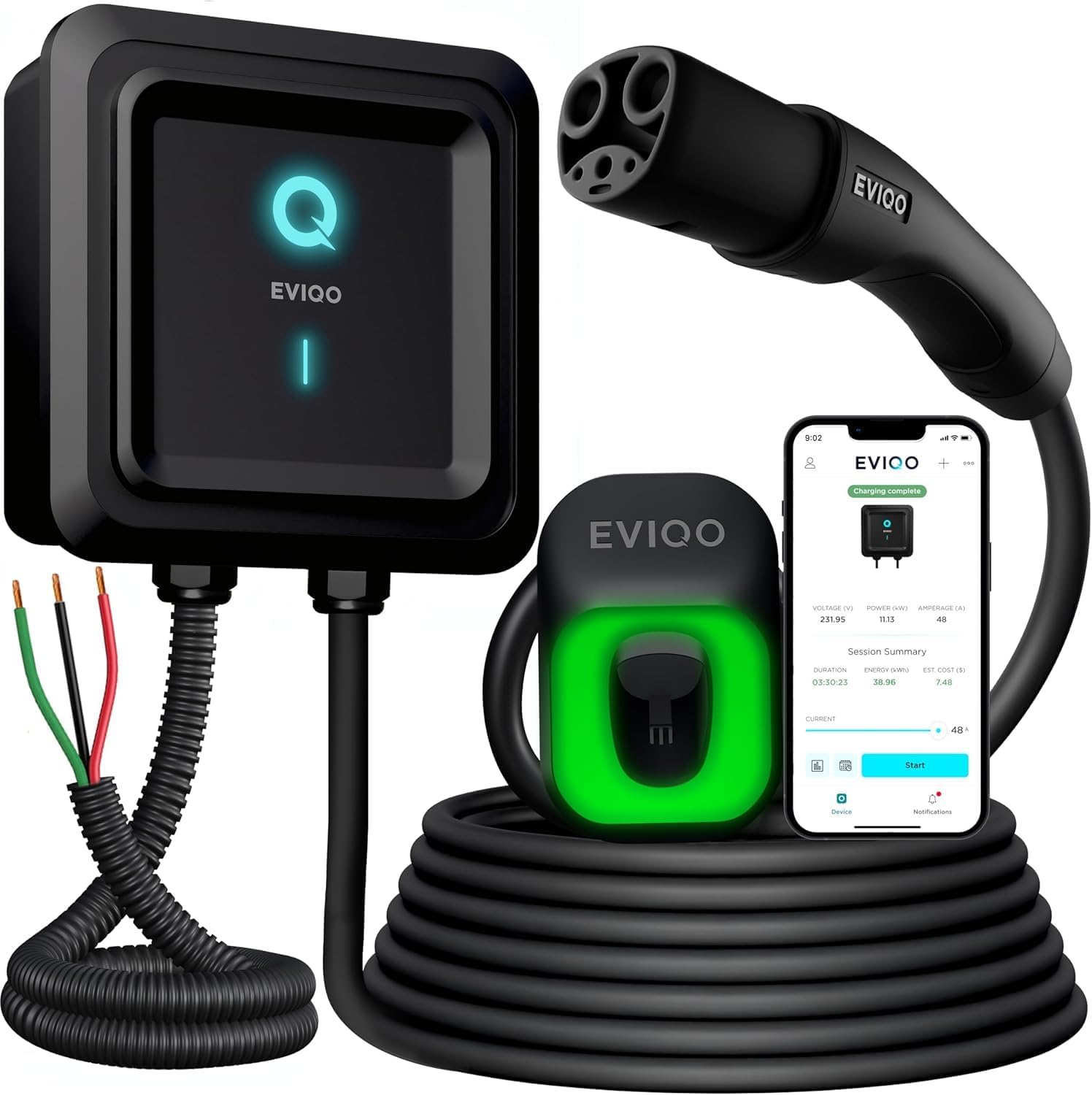
EVIQO 48 Amp NACS Level 2 EV Charger - Hardwired Smart WiFi Wall Charger for Tesla
$368.51 $458.55
73% OFF
Thermal Insulated Blackout Curtains - Ultimate Privacy & Energy Efficiency
$12.99 $47.99
50% OFF
High Waist Tulip Hem Shirring Swim Skirt - Perfect for Beach and Pool
$11.49 $22.99




-

Sam Allberry resigns after being 'disqualified' from ministry by church
-

The Protestant faith is losing people in the UK
-

Thousands expected as ‘Jesus March’ returns to London for Pentecost
-

Nick Vujicic responds to rumours he is dead by confirming he is alive and well
-

Newsboys launch legal action against MercyMe, concert promoters and media
-

Where is Scotland heading this week?
Most Popular
News

'Managerial' secularism becoming commonplace across Europe, says rights group
Human Rights Without Frontiers (HRWF) says that governmental restrictions on religions freedom have reached their highest level in Europe in two decades.
Church of England publishes report on mission funding impact
Over £100m went to Church of England dioceses and mission partners.

Manipur Christians face 'grave and escalating humanitarian crisis'
Three years on the crisis is far from over.

Faith plays key role in young people’s mental wellbeing - study
A new study suggests that religion can play a significant role in shaping the mental health and emotional resilience of young people, particularly when it is expressed through positive coping practices.
AZDOME GS63Pro 4K Dash Cam: 40% Off - Ultimate Driving Companion
$47.99
Ekouaer Baggy Bib Overalls for Women - Loose Fit Jumpsuit with Adjustable Straps & 5 Pockets
$12
Ekouaer Women's Satin Silky Pajama Set - Short Sleeve Pullover Top & Wide-Leg Pants
$13.99
LIVOWALNY 200W Power Inverter for DeWALT 20V Battery - Portable 110V AC Outlet & USB-C Station
$23.89
ANCHEER 38'' Toddler Trampoline - 150lb Capacity Foldable Mini Trampoline with Adjustable Handle
$47.99
Ekouaer 3-Piece Maternity & Nursing Pajamas Set - Short Sleeve Top with Shorts and Pants
$14.99
Magnelex American Flag Windshield Sun Shade - High-Resolution UV Reflective Heat Shield (X-Large)
$19.9
EVIQO 48 Amp NACS Level 2 EV Charger - Hardwired Smart WiFi Wall Charger for Tesla
$368.51
Thermal Insulated Blackout Curtains - Ultimate Privacy & Energy Efficiency
$12.99
High Waist Tulip Hem Shirring Swim Skirt - Perfect for Beach and Pool
$11.49