
A new Ipsos MORI poll has found that religion still matters to most people in the world.
The global survey looked at the views of over 18,000 people across 24 countries, including the UK and US.
Seven in 10 of those surveyed said they had a religion but there was a marked difference between Christians and Muslims when it came to the importance they placed on their faith.
In Muslim-majority countries, 94% of those with a religion agreed that their faith was important in their lives, compared to 66% in Christian-majority countries.
Muslims were far more likely to believe that their religion was the only true path to salvation, liberation or paradise – 61% compared to 19% in Christian-majority countries.
They were also more likely to say that their faith or religion was a key motivator in giving time and money to people in need – 61% compared to 24% in primarily Christian societies.
Overall, 30% said that their religion motivated them to give their time or money to people in need, while more than half (52%) said that their religion made no difference to their giving because they saw it as important in any case.
Globally, faith was found to be important to young people. Almost three-quarters (73%) of under-35s said their religion or faith was important in their life.
A third of all respondents across the 24 countries said they had no or almost no friends or acquaintances from any religion other than their own.
Chief executive of Ipsos MORI, Ben Page said: “The survey is a good reminder to many in western Europe of how much religion matters – and is a force for good – in much of the world.
“Our analysis shows people would rather keep politics separate from religion, but that in a globalising world, it still matters more than many in old Europe think.”
The results were also welcomed by Tony Blair, a practising Catholic and patron of the Tony Blair Faith Foundation.
“This survey shows how much religion matters and that no analysis of the contemporary world, political or social, is complete without understanding the relationship between faith and globalisation," he said.
“The evidence is that, though people fear the prospect of religious strife, even here in Britain, there is much to encourage the view that people can learn to respect those of another faith and live with them peacefully.
“Inter-faith dialogue and action today is not just an interesting but peripheral minor subject, it is the essence, central to creating greater social cohesion and harmony.”
40% OFF

AZDOME GS63Pro 4K Dash Cam: 40% Off - Ultimate Driving Companion
$47.99 $79.99
60% OFF

Ekouaer Women's Satin Silky Pajama Set - Short Sleeve Pullover Top & Wide-Leg Pants
$13.99 $34.99
40% OFF
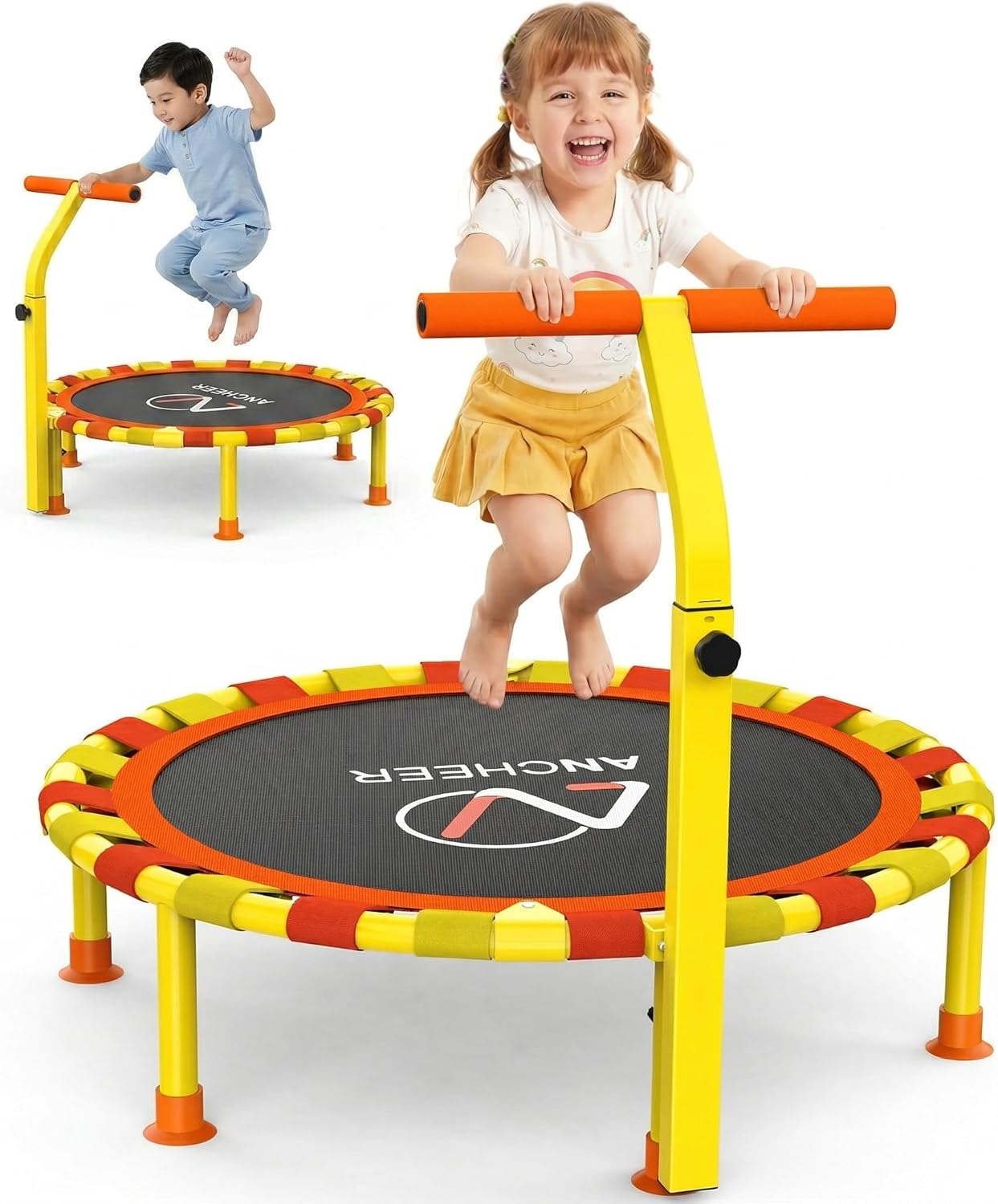
ANCHEER 38'' Toddler Trampoline - 150lb Capacity Foldable Mini Trampoline with Adjustable Handle
$47.99 $79.99
55% OFF

Ekouaer 3-Piece Maternity & Nursing Pajamas Set - Short Sleeve Top with Shorts and Pants
$14.99 $32.99
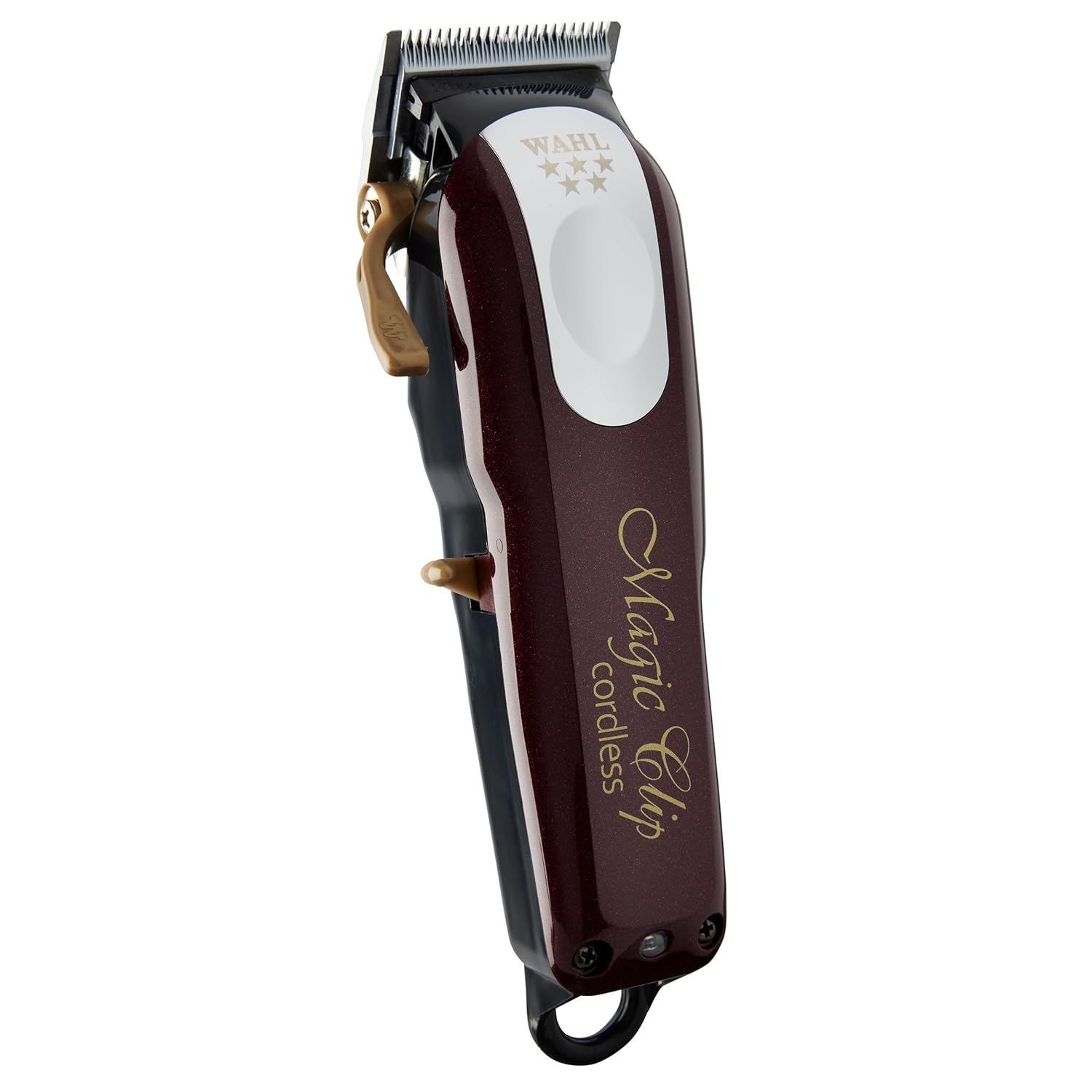
Wahl Professional 5 Star Series Magic Clip Cordless Clipper - Stagger-Tooth Blade Hair Trimmer
$0 $139.99
10% OFF

Bekrvio Swivel Counter Height Bar Stools Set of 3 - 26" Mid Century Modern Rattan Back Stools
$223.55 $248.39

Gardner Pet 43" Heavy Duty Dog Crate with Wheels - Indestructible Folding Metal Cage (Black)
$0 $149.99
12% OFF

Elegant Mid-Century Modern Bar Stools - Set of 4
$395.99 $449.99
23% OFF
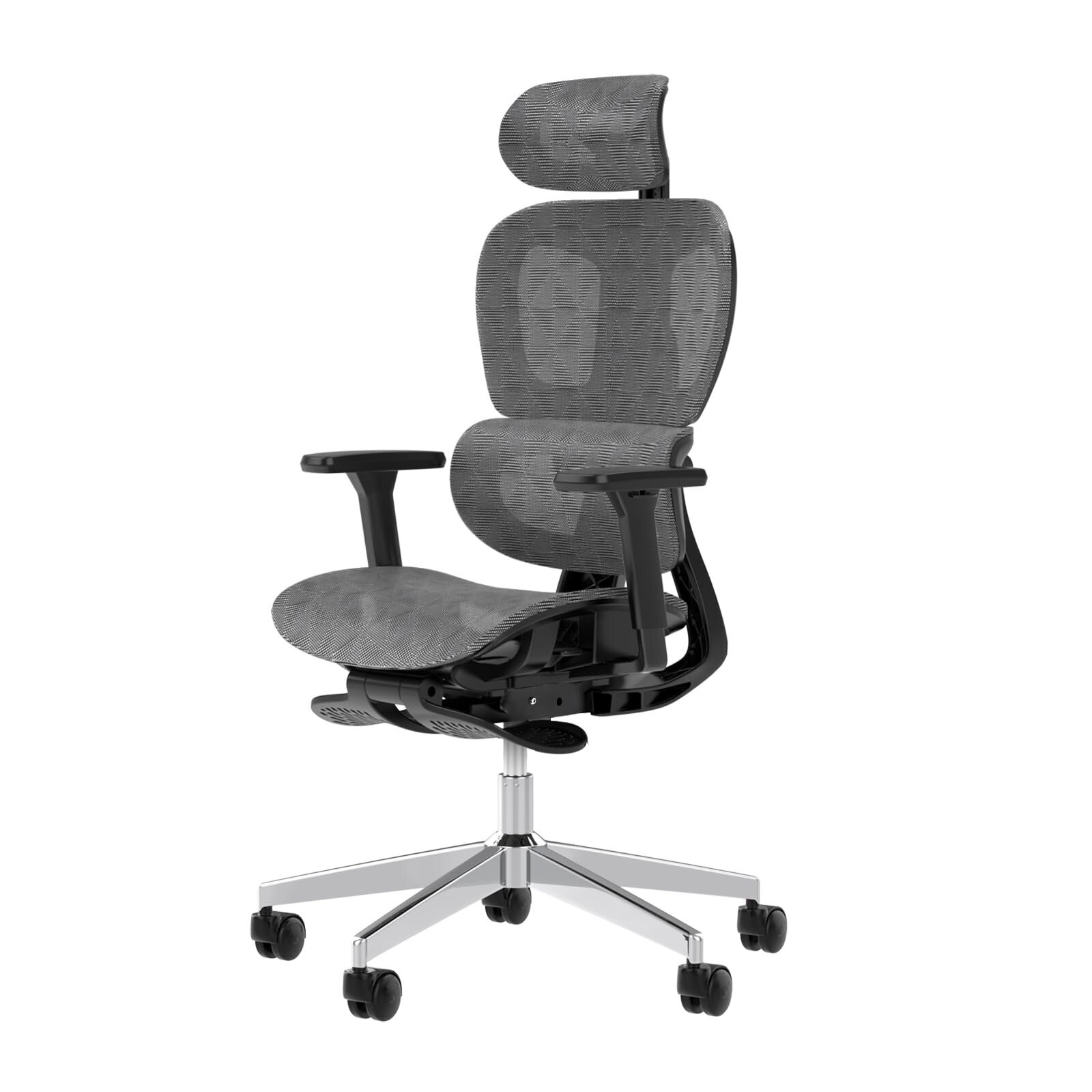
Ergonomic Office Chair - Big and Tall Desk Chair with Adjustable Lumbar Support
$279.99 $363.99
26% OFF

Magnelex American Flag Windshield Sun Shade - High-Resolution UV Reflective Heat Shield (X-Large)
$19.9 $26.9



-

'Dark day' as retired pastor is convicted for preaching John 3:16 near abortion facilities
-

Understanding the reasons for the conviction of Päivi Räsänen
-

Report warns of continued anti-Christian hostility across Europe during April
-
Christians petition for protection of pastors in Colombia following murders
-

Pastor Greg Locke's 20-year-old son dies from drug overdose
-

Church of England leaders must do more to support British Jews
Most Popular
News
Let’s encourage our churches to support and pray for their elected representatives
Last week’s elections confirm that people have lost trust in both the system and the politicians - and the fragmentation that exists in British politics.
Church of England celebrates continued post-pandemic growth
The Church said it was encouraged by five years in a row of growth while acknowledging that growth, attendance and participation remain below pre-pandemic levels.
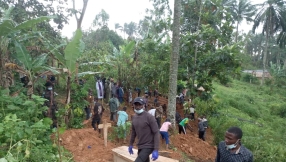
Christians among main victims of Islamist violence in eastern DRC
Christians in eastern Democratic Republic of Congo (DRC) are facing escalating violence from an Islamic State-linked militant group accused of massacres, abductions and systematic terror attacks across villages and churches, according to a major new Amnesty International report.

World Cup 2026 mission campaign aims to mobilise 10,000 churches
Evangelism and discipleship ministry Cru is hoping to mobilise 10,000 churches to spread the gospel during this summer’s World Cup taking place in the US, Canada and Mexico.
AZDOME GS63Pro 4K Dash Cam: 40% Off - Ultimate Driving Companion
$47.99
Ekouaer Women's Satin Silky Pajama Set - Short Sleeve Pullover Top & Wide-Leg Pants
$13.99
ANCHEER 38'' Toddler Trampoline - 150lb Capacity Foldable Mini Trampoline with Adjustable Handle
$47.99
Ekouaer 3-Piece Maternity & Nursing Pajamas Set - Short Sleeve Top with Shorts and Pants
$14.99
Wahl Professional 5 Star Series Magic Clip Cordless Clipper - Stagger-Tooth Blade Hair Trimmer
$0
Bekrvio Swivel Counter Height Bar Stools Set of 3 - 26" Mid Century Modern Rattan Back Stools
$223.55
Gardner Pet 43" Heavy Duty Dog Crate with Wheels - Indestructible Folding Metal Cage (Black)
$0
Elegant Mid-Century Modern Bar Stools - Set of 4
$395.99
Ergonomic Office Chair - Big and Tall Desk Chair with Adjustable Lumbar Support
$279.99
Magnelex American Flag Windshield Sun Shade - High-Resolution UV Reflective Heat Shield (X-Large)
$19.9