Evangelicals have been urged to celebrate the Reformation as "essential" to Christianity and resist attempts to dilute differences between Protestants and Catholics.
The Evangelical Alliance's statement to mark the 500<sup>th anniversary of the Reformation, headlined on the Evangelical Alliance press release as "500 Years of Protest", praised the split as a recovery of Jesus' teaching. It emphasised ongoing "points of divergence" between the two traditions as well as acknowledging efforts at reconciliation and convergence after centuries of mistrust.
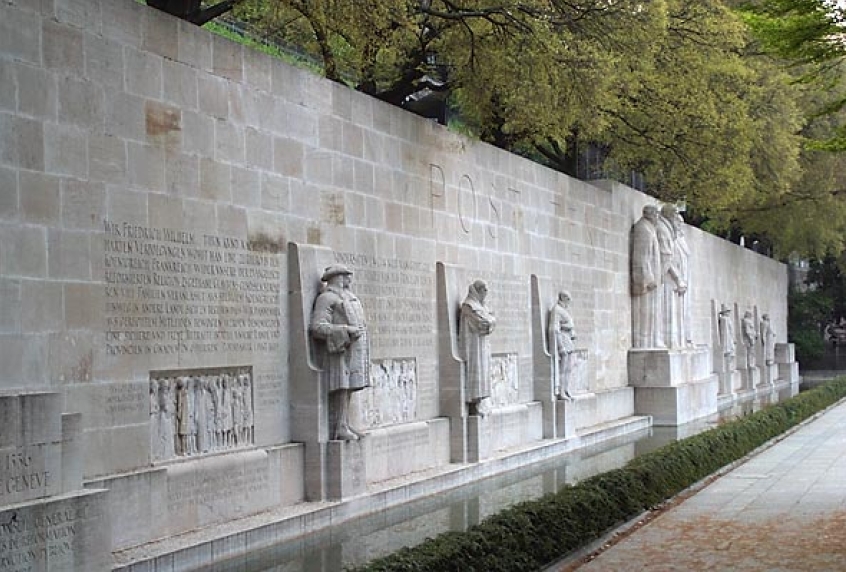
"As evangelicals, we owe a great deal of our doctrinal, spiritual and cultural identity to the Reformation," the statement read.
"The Reformation was not so much an innovation as a recovery – a recovery of the essential content of the 'evangel' or 'good news' of salvation proclaimed by Jesus Christ himself, and by his apostles. That work of recovery is reflected in our own designation as evangelicals."
It insists the "core distinctions" between Luther and the 16th-century Roman Catholic church "remain between modern-day evangelicals and Catholics despite efforts at reconciliation".
The statement marked a notably different tone to that of the Archbishop of Canterbury and the Archbishop of York who called for repentance for the division. They lamented the "lasting damage done five centuries ago to the unity of the Church, in defiance of the clear command of Jesus Christ to unity in love".
The build-up to the 500<sup>th anniversary since, according to a tradition that is disputed by some scholars, Martin Luther nailed his 95 theses to the cathedral door in his town of Wittenburg has been marked with strengthening ecumenical relations between Catholics and Protestants.
The statement from the EA said "some will regard these initiatives more positively than others" and emphasised "additional points of divergence" on top of the "foundational issues" of "biblical authority and justification" it says Luther raised.
The eight-page document points to the Catholic's high view of Church authority, the Pope's infallibility, the importance of sacraments such as confirmation and the devotion of Mary as having no "biblical grounds".
Rev Dr David Hilborn, chair of the Evangelical Alliance's Theology Advisory Group, said they amounted to "significant differences in doctrine and practice" between evangelicals and Catholics.
But the statement did go on to emphasise "points of convergence" including in particular the shared opposition to gay marriage, abortion and euthanasia.
Steve Clifford, general director of the Evangelical Alliance, said: "It has been in the area of public policy especially that evangelicals and Catholics have come together over the last 40 years to put pressure on the government and work for the common good."
A spokesman has since added: "The statement does not call for celebration of the split, but carefully looks at the areas of divergence – many of which are important hallmarks of evangelical faith.
"We have also sought to ensure that we are not driving a wedge between the differences that do exist. We want to recognise the importance of the reformation, but also seek ways that we can work together with the Roman Catholic church."