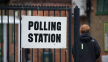
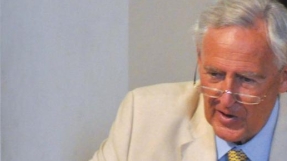
A pro-life volunteer was told to leave an abortion clinic buffer zone in the West Midlands after praying silently, her lawyer has said.
The Alliance Defending Freedom UK (ADF), which is supporting Isabel Vaughan-Spruce, said that footage showed a police officer telling her to leave the area because her "mere presence" may constitute "harassment, alarm and distress".
This was allegedly because she is known to have pro-life beliefs and belong to a pro-life organisation - Vaughan-Spruce is the co-CEO of the UK March for Life.
"[The officer] believes that just because I hold pro-life beliefs, I am automatically a criminal in certain public areas. This isn't right," she said.
Vaughan-Spruce has regularly prayed outside the abortion facility for the last two decades but in recent years has faced numerous legal challenges and arrests after the introduction of a buffer zone that prohibits actions deemed to amount to "intimidation", "harassment" or "influencing a person's decision to access" an abortion facility.
In 2023, Birmingham Magistrates Court found her not guilty of breaching a buffer zone for praying silently in her mind. Last year she received £13,000 in compensation from West Midlands Police for being wrongfully arrested twice for praying silently within an abortion clinic buffer zone.
Last October the Crown Prosecution Service (CPS) issued guidance stating that silent prayer in an abortion clinic buffer zone is "not necessarily" a crime and that actions must be "overt" in order to meet the threshold of criminality.
Commenting on the latest incident, Vaughan-Spruce said, "It has been made clear time and time again through the verdict of Birmingham Magistrates' Court, through the concession and payout from the police, through the words of the former Home Secretary and through CPS Guidance – you cannot break the law by simply existing in a buffer zone, holding thoughts and beliefs in your mind.
"Every person has a right to stand in a public space and think what they want. The police officer told me that my 'mere presence' was offensive – that's nothing short of viewpoint discrimination. He believes that just because I hold pro-life beliefs, I am automatically a criminal in certain public areas. This isn't right."
Her legal counsel with ADF UK, Jeremiah Igunnubole, said: "Nobody should be criminalised for publicly holding lawful views or associating with any lawful cause. The idea that the state can interrogate citizens and instruct them to leave certain public areas based on their pro-life beliefs and associations is profoundly chilling and concrete evidence, if ever we needed more, of viewpoint-based two-tier policing.
"If Isabel can be treated this way then what does this mean for all Christians holding to biblical truths? This isn't 1984; it's 2025 – police must respect the fundamental rights of freedom of speech, thought and association."
A spokesperson for West Midlands Police said: "We spoke to a lady in Station Road, Bournville. No further action was taken."