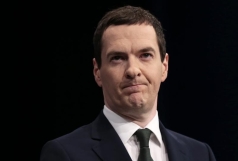
Chancellor George Osborne will travel to Germany today to call for a strong EU working for the "benefit of all 28 member states", part of the government's push to change the terms of its relationship with the bloc.
In talks with officials including Finance Minister Wolfgang Schaueble, Osborne will outline ways of protecting London's financial services.
The government wants reforms of Britain's relationship with the EU which it hopes will encourage voters to back continued membership of the bloc in a referendum due by the end of 2017.
Before his visit, Osborne said the British and German economies were the "beating heart" of Europe.
"But the future holds challenges for our economies. We must cut debt and boost productivity. To do this, we need a strong EU, fit for today's challenges and working for the benefit of all 28 member states," he said in a statement.
"The UK's reform and renegotiation plans aim to achieve this, which is why these talks with key partners in Europe are so important."
Last week, Osborne said he would offer details of Britain's aims during his trip, and is expected to explain fears that closer integration of the euro zone could leave London sidelined in financial policymaking, affecting its banking sector.
Protection for states in the EU but outside the 19-member single currency area is a key priority for Britain, where financial services account for around 8 percent of the economy.
With opinion polls showing a narrowing of support for staying in the European Union, Prime Minister David Cameron's government is under increasing pressure to take on Eurosceptics in both the ruling Conservative Party and opposition Labour camp directly.
The prime minister launched his most open defence to date of Britain staying in the EU last week by telling Eurosceptics that the country should not try to emulate outsider Norway which pays the same amount to the bloc but has no seat at the table.
On Sunday, Nigel Farage, leader of the anti-EU UK Independence Party, accused Cameron of trying to move the focus of the debate away from his renegotiation of Britain's ties with the EU because those talks were not "going anywhere".