After spending $1.4 billion to build 11 Ebola treatment units (ETUs) in Liberia, nine have not been used, and only 28 patients have been treated at the other two.
A New York Times report published Saturday detailed the financial and personnel costs undertaken by the United States to combat the Ebola crisis in West Africa.
Swedish health expert Dr Hans Rosling served as an advisor to Liberian officials—the country hardest hit by the Ebola outbreak. Rosling maintains that he warned against building the costly treatment centres.
"My task was to convince the international organisations, 'You don't need any more ETUs,'" he told the Times. "I warned them, 'The only thing you'll show is an empty ETU. Don't do it.'"
Instead, nearly 3,000 soldiers were deployed to help build the centres at the end of 2014—long after the Ebola crisis had begun. The measure appeared to be reactionary following criticism of an inadequate response to the virus sweeping West Africa.
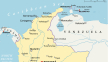
The Ebola outbreak began in Guinea in February 2014, and quickly spread to neighbouring countries. Over 10,500 people have died, and over 25,500 have been infected over the past 12 months. Cases in Liberia have generally decreased, while transmissions in Guinea and Sierra Leone continue to trouble health officials.
By the time the 11 ETUs opened in Liberia, the country was nearing "Ebola-free" status. Liberia nearly achieved the requisite 42 days without a new Ebola infection until a case believed to be caused by unsafe sex resulted in the death of a 44-year-old woman last month.
Experts contend that the $1.4 billion could have been better used to reinforce Liberia's poor health care system, or support the efforts of the local community to decrease transmissions.
UN Mission for Ebola Emergency Response Crisis Manager Dr Peter Graaff affirmed that the key to beating the virus is "communities taking responsibility for their own future — not waiting for us, not waiting for the government, not waiting for the international partners, but starting to organise themselves."