Government plans to curtail access to harmful online content could also lead to the censorship of Christian teaching, it has been warned.
The Christian Institute has welcomed the government's commitment to clamping down on websites promoting harmful content like porn or suicide, but says it fears that voicing Christian beliefs may fall foul of the regulations.
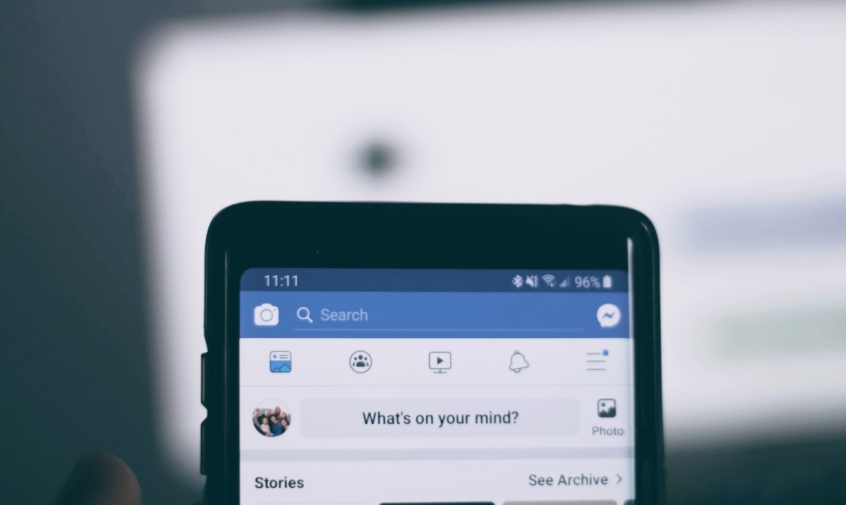
Measures in the Online Safety Bill will restrict content deemed "harmful" but The Christian Institute expressed concern that the definition of this term will be left to the government, Ofcom and private tech companies like Google and Facebook.
The Christian Institute warned that without robust free speech protections, the legislation "could have unintended consequences" and "censor Christian teaching" on issues like sexuality, gender and marriage.
Institute Director Colin Hart said the Bill "risks enshrining cancel culture into law".
"Every day we hear accusations that someone is causing harm just for saying what they believe. The eminent Christian doctor, Peter Saunders, had a talk on transsexuality removed by YouTube. JK Rowling was vilified for challenging transgender ideology," he said.
"Maya Forstater lost her job after saying that people cannot change their biological sex. At her Employment Tribunal the judge found against Forstater and said her view was 'not worthy of respect in a democratic society'. Thankfully, this was overturned.
"But imagine consolidating that power in the hands of Big Tech.
"They will get to decide what should and shouldn't be allowed in crucial and controversial areas of debate. Their yardstick will be their own commercial interest and so will inevitably go much further than what the law requires," he said.
Mr Hart warned that unless free speech protections are strengthened in the Bill, mainstream Christian beliefs on sexual ethics, gender, marriage and parenting could end up being censored.
"The Bill must be amended to include a presumption in favour of free speech. What is free to say on 'the street' must also remain free to say online," he said.
"The legislation also proposes a new criminal offence for communication deemed 'likely to cause harm to a likely audience'. This risks putting harm into the eye of the beholder.
"Any approach that prioritises the claims of the 'offended' is dangerous, particularly when the 'likely audience' for online content could be anyone in the world. The Bill risks enshrining cancel culture into law."