I often have random strangers come up and offer to pray for me. I also have people tell me I'm either a sinner or harbouring unforgiveness. Others say that someone in my family sinned therefore that is affecting my situation now. That last one is interesting – I'm adopted, so which family do they mean?
Why do I get all of this and more?
Because I use a wheelchair.
Thankfully I'm big enough, robust enough and often sarcastic enough to deal with this. I'm also steeped in the theologies of disability, suffering, healing and hospitality, so can debate until the cows metaphorically come home.
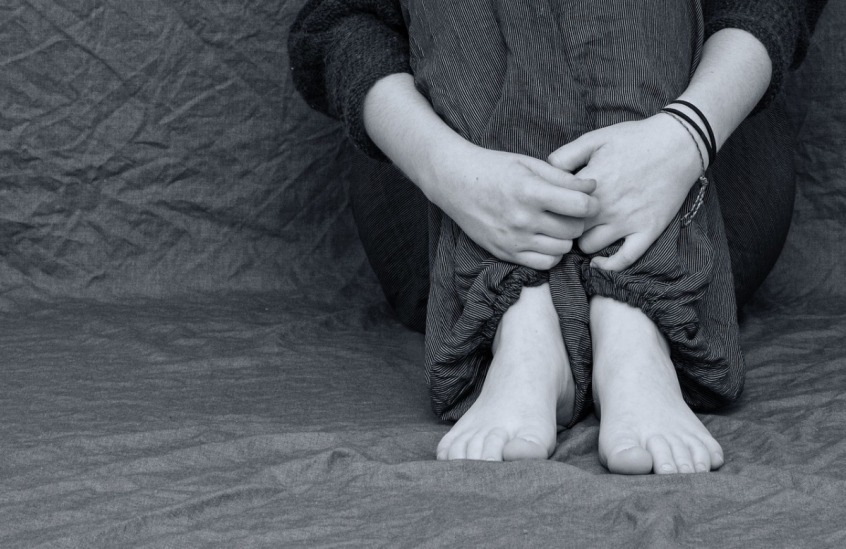
But as I write, I'm not thinking of me. I'm thinking of those who have any combination of mental health illnesses. Those who are already struggling, and get all of those things I listed above when they dare to admit the struggle they face.
This week I submitted a column on suicide following the death of an American pastor. From what I can see, it's probably the most read, most shared and most commented upon column I have written this year.
It has sparked messages from as far afield as Kenya, and a whole host of comments on Facebook. But some comments replying to those already suffering because of anxiety, stress and depression were heartbreaking to read.
All I can say is: we as 'The Church' have a very long way to go when it comes to how we view mental illness, healing and the power of God.
A few years ago, I lost two friends to suicide. Both were Christians. Their poor mental health wasn't a sin. They had enough faith. There was nothing in their distant family history. But there were struggles that crushed them in spite of their faith and compounded the depression they already had. But their churches didn't get it.
I have other wonderful friends who have anxiety, stress and depression and live with it day by day. Living a normal life is exhausting and doing church stuff takes even more energy, so not going to midweek meetings or staying around for coffee is not a sign of poor faith either. For them it's self preservation.
What tips some over the edge to opt for suicide or to start self harming I don't know. But I'm not called to know – I'm called to care.
And in that caring I may push a little and encourage things that might be good for them, but most of the time it's sitting in solidarity with them. Sometimes we don't talk, we just sit. Some times I just hug or cry with them. Most of the time I just listen. I don't judge.
So to you who bravely said you were struggling when you commented on that post, can I say: I see you. I believe you.
I see the struggle.
You don't lack faith, and depression and anxiety is not a sin.
Your mental illness may mean talking to God is hard – he understands. Asking God 'why' shows you have faith, you know the one you can speak to about it. Keep your eyes on him, even if you struggle to talk to him.
Some advice I see says 'just worship' and the depression will go away.
Well, sometimes worship doesn't look happy. Sometimes it's done through clenched teeth and hands, with tears streaming down our faces, singing 'I WILL sing your praises'. It's a sacrifice from empty hearts and hands. God sees it and says it is beautiful, a sweet perfume.
It's OK not to be OK. Just keep going.
For those wanting to learn more on how to support, I can fully recommend the mental health access pack, a collaborative resource from Livability, Mind and Soul and Premier Life.
Kay Morgan-Gurr is chair of Children Matter and co-founder of the Additional Needs Alliance. Follow her on Twitter @KayMorgan_Gurr