Opus Dei, the predominantly lay Catholic organisation which is surrounded by myth and intrigue, will begin the process of electing a new leader on Saturday following the death of its previous prelate last month.
A three-step process begins with a consultation involving 38 female members of the Central Advisory who will submit a list of the priests they believe are best suited to be prelate.
Of Opus Dei's 92,600 members worldwide, 57 per cent of them are women and 43 per cent are men, according to the organisation's press office. The majority, 70 per cent, are married.
There are 2,083 priests who are 'incardinated' into Opus Dei, representing around 2.25 per cent of the membership.
In accordance with Opus Dei rules, the prelate must be a priest for at least five years and be at least 40 years old. Currently 94 priests from 45 countries meet the requirements, according to the press office.
The election itself takes place within the electoral congress, which is made up only of men. The electoral congress is due to begin on January 23.
After the electoral congress has voted the final name will be put forward to the Pope to approce. Opus Dei says the whole process should be complete by 26 October.
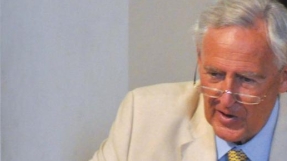
The auxiliary vicar of the prelature, Monsignor Fernando Ocáriz, said: "We are living this period in an attitude of prayer, going especially to the Holy Spirit."
He added: "We live these days very close to the Holy Father Francis and the whole Church, of which Opus Dei is a small part. Of course, we feel a strong sense of gratitude for the pastoral work and the good example given by Bishop Javier Echevarría."
Bishop Echevarria, who was elected in 1994, died in Rome on December 12 last year.
Opus Dei - which means 'work of God' in Latin - is viewed with suspicion by some critics following the depiction of certain characters who are members of the group by the US author Dan Brown in his populist novel The Da Vinci Code.
But defenders of the organisation point out that it is made up largely of ordinary lay Catholics doing jobs "in the world".
The group, which is known formally as The Prelature of the Holy Cross and Opus Dei, was founded in 1928 by Josemaría Escrivá.