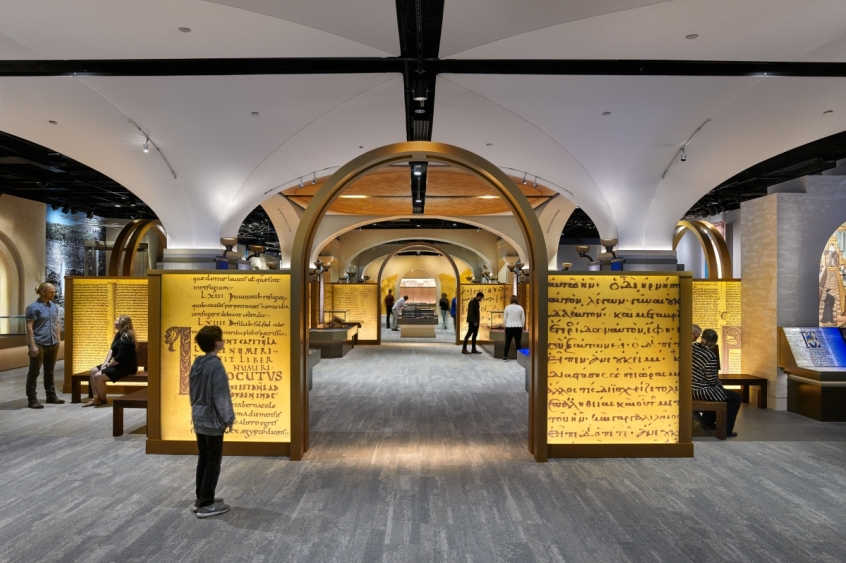
Thousands of manuscripts and papyrus fragments held by the Museum of the Bible have been returned to Egyptian authorities after questions were raised about their acquisition.
It is believed that the artefacts were brought to the US illegally during the Arab Spring.
The collection, numbering around 5,000 artefacts, includes manuscripts, funeral masks, coffins and the heads of statues.
The Museum of the Bible, based in Washington DC, has now handed the items over to Egyptian control via the US government after three years of talks with country officials.
Hobby Lobby owner and museum Chair Steve Green said that the talks had been "cordial."
"We transferred control of the fine art storage facility that housed the 5,000 Egyptian items to the US government as part of a voluntary administrative process," he said.
"We understand the US government has now delivered the papyri to Egyptian officials."
The Museum of the Bible has run into difficulty with a number of artefacts in its collection, notably 16 Dead Sea Scroll fragments that experts later concluded were not authentic.
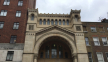
Last April, Oxford University professor Dr Dirk Obbink was arrested for allegedly stealing ancient papyrus fragments from the Oxyrhynchus collection in the Sackler Library that ended up in the museum.
A month later, Hobby Lobby filed a lawsuit against auction house Christie's for allegedly deceiving it about the legality of the sale of a rare cuneiform tablet it acquired for display in the museum.
In 2019, the museum removed a miniature Bible that had supposedly been taken to the moon in 1971 after an expert challenged its authenticity.