Life as an archbishop of Canterbury is not always a bed of roses, as recent holders of the office have found out. But they should spare a thought for St Alphege, whose feast day is today. In the year 1012, he became the first one to be martyred for his faith.
This was a time of turmoil in England, with the Anglo-Saxon line of monarchs descended from Alfred was running into its final years with weak kings unable to cope with the onslaughts of the Vikings from Denmark. In Alphege's time it was Aethelred the Unready, who tried to buy them off by paying 'Danegeld' rather than fighting them. Alphege acted as Aethelred's emissary on one occasion, persuading King Olaf of Norway to return home after ravaging the south.
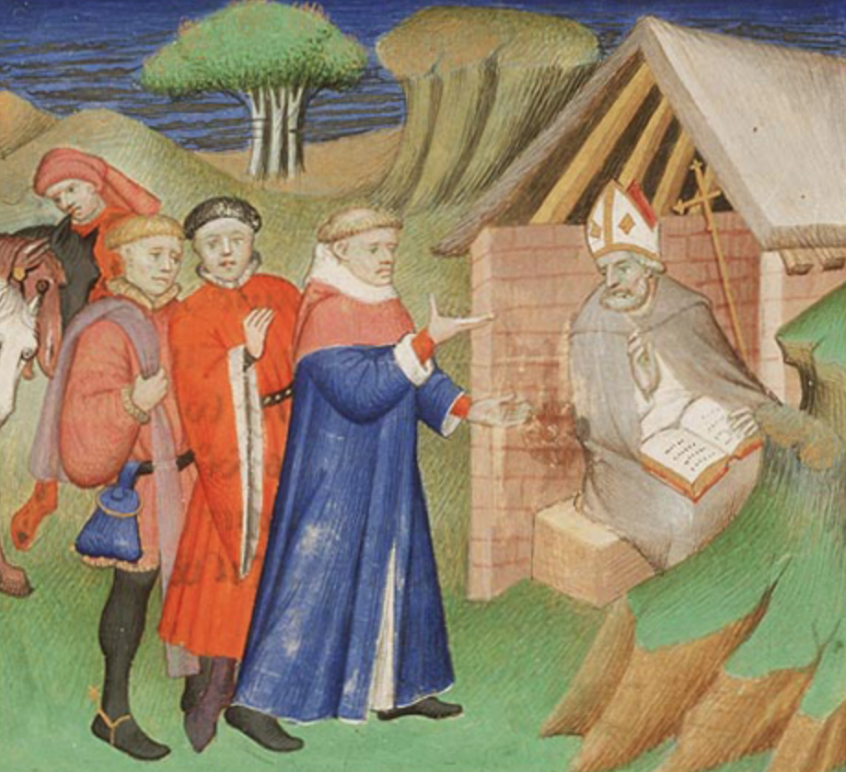
However, at this time Christianity was well established in the country. Alphege, born near Bath in around AD 953, was originally a hermit before becoming abbot of Bath Abbey and then bishop of Winchester before moving to Canterbury in 1005.
Alphege was captured on one of their raids, by Earl Thorkell, in 1011. He had refused to leave his people in Canterbury; the town fell and the Danes behaved with great cruelty. The Witan or royal council agreed to pay a huge ransom to get them to leave, with extra for Alphege himself. However, Alphege refused to allow the people to be burdened with paying for his freedom and refused the bargain. His captors killed him in a drunken rage by pelting him with ox-bones, in spite of Thorkell's attempts to save him. He was put out of his misery with an axe by a Dane named Thrum, whom he had converted during his imprisonment.
The murder took place near where St Alphege's Church stands in Greenwich. To begin with the Danes refused him burial, but he was eventually carried to London and buried in St Paul's Cathedral. Under King Canute, England's Danish ruler, his bones were moved to Canterbury and placed in a noble tomb. It was Canute's apology for the sins of his ancestors.