The ancient pagan religions of Greece died out many, many centuries ago. Zeus, Hera, Artemis, Hephaestus – they're all history, surely? They provide material for children's picture books, the occasional Hollywood film, and they're the backdrop of some of the greatest literature in the world.
But surely no one believes in them any more?
That might have been true a few years ago, but no longer. It's still a tiny minority, but there is a serious attempt to revive the worship of the old gods in Greece – and sometimes it turns nasty.
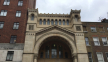
A Greek Orthodox church on Crete has been vandalised and smeared with faeces by attackers claiming to be followers of Zeus.
Icons in the Church of Zoodochou Pigis in Iraklio were defaced and the attackers used charcoal to write "This one's courtesy of Zeus" and other anti-Christian slogans, according to the Ekathimerini news service.
Ekathimerini suggests it may be the latest in a series of similar acts of vandalism against churches on Crete believed to be the work of members of pagan religions.
Most such adherents are non-violent, though they are opposed to the Orthodox Church which they see as an alien interloper in the life of Greece. There are several groups promoting Hellenic religion, though it is difficult to gauge their numbers and strength.
One is the Supreme Council of Ethnic Hellenes, established in 1997, which is a founding member of the World Congress of Ethnic Religions. Another, founded in 2008, is the Labrys religious community. It avoids attacks on the Orthodox Church and concentrates on developing public and private rituals for worship.
The Church has been resolutely opposed to these groups, with an official of the Orthodox Church describing them in 2007 as "a handful of miserable resuscitators of a degenerate dead religion".
The religion of old Greece certainly died out – or was suppressed – and whether a faith can truly be revived is open to debate. Certainly it's almost impossible to imagine people in the 21<sup>st century believing in the old gods in anything like the same way their ancient worshipers did. And academics would argue that ancient Greek religion was fundamentally different, and that these modern worshippers are inventing a very modern faith rather than genuinely reviving an old one (a similar accusation is made about modern 'Celtic' Christianity, which would not be recognised as very Celtic by the Celts).
This revival – whether it takes a dark and violent turn or not – is likely to spring from the same source as other counter-cultural movements. Greece's economy is in tatters, its political class has failed to deliver, the Orthodox Church – while still widely accepted – can be seen to be part of society's problem rather than its solution. The need for a spiritual solution is as deep as ever.