Ministers have abandoned plans to inspect Sunday schools following widespread public opposition, the education department announced on Tuesday.
The government received more than 18,000 responses to a consultation in 2015 on proposals to allow Ofsted to inspect 'out-of-school' settings, such as Sunday schools or Muslim madrassas, that taught children above 6-8 hours a week.
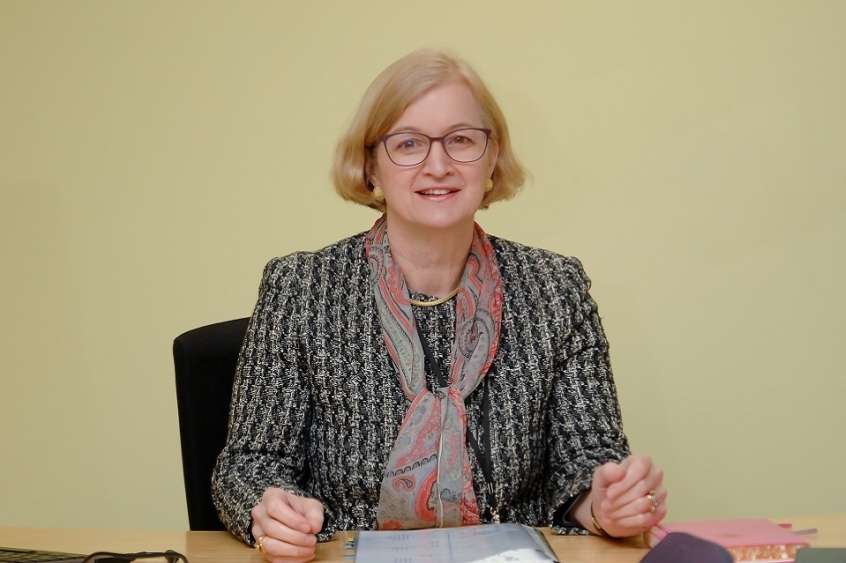
In February the Ofsted chief Amanda Spielman raised the possibility again, insisting rogue practices in a small segment of out-of-school education settings 'need to be tackled' and rebuking the Church of England for opposing the plans after the archbishop of Canterbury personally intervened.
Now ministers have formally dropped the proposals, with three-quarters of respondents to the consultation saying out-of-school settings should not be forced to register with their local authority and should not face Ofsted inspections. Instead they said the government would focus on targeting out-of-school settings that do pose a threat to children, rather than a blanket approach.
'The primary cause for concern was around the effect that the proposed regulation would have on out-of-school settings being able to exercise religious and other freedoms,' the government's report on the consultation said.
'Many of the correspondents commented that the proposed policy would result in the state becoming a regulator of religious teaching in these settings and that the enforcement of fundamental British values may inhibit the religious teaching that currently takes place within them.'
Among the proposals was the suggestion that Ofsted inspectors could examine whether out-of-school setting complied with British values, which include 'mutual respect and tolerance of those with different faiths and beliefs'. However concerns were raised by some Christian groups that this could lead to churches being told they couldn't preach against same-sex marriage or that Jesus was the only true God, as it would not be seen as tolerant.
'Respondents who disagreed with the question stated that they believed the terms "undesirable teaching", "fundamental British values" and "extremist views" are too ambiguous,' the report said. 'Many expressed concerns that without fixed or specific definitions, the scope of these terms could be used to prohibit teaching of some of the views and beliefs of mainstream religious groups. Some argued that focusing prohibited activities on such subjective terms could lead inspectors to abuse their powers and turn the inspectorate into the state regulator of religious instruction.'
The Evangelical Alliance, an umbrella body for evangelical Christians, was one of 1,687 faith groups to respond to the consultation. It welcomed the decision and said ministers had 'rightly seen that churches and the activities they provide are a positive force for society and not a threat they need to regulate'.
Dr David Landrum, director of advocacy at the Evangelical Alliance, said: 'These proposals would have had a profound effect on religious freedom and fundamental human rights, and consequently we welcome the news that the Government are listening to the concerns of those who responded.'