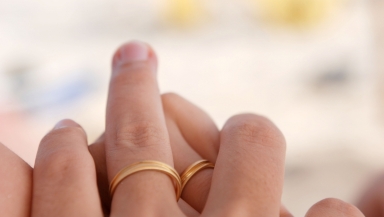
New research has found a significant difference in the levels of stress experienced by married people from those who are single, divorced or separated.
Polling by Gallup found that while only 36.8 per cent of married Americans said they were stressed "a lot of the day yesterday", this figure rose among those with different relationship statuses.
Separated adults were the most likely to experience a lot of stress (51 per cent), compared to 44 per cent of divorcees, 45.4 per cent of singles, and 46.7 per cent of those in a domestic partnership.
There was a marked difference when the polling results were broken down into men and women, with the latter across all relationship statuses more likely to have been stressed a lot the day before.
While 34 per cent of married men said they felt a lot of stress yesterday, this was higher among married women (39.7 per cent). Similarly, 40.3 per cent of divorced men felt a lot of stress compared to a higher proportion of divorced women (47 per cent).
Separated women were also far more likely than their male counterparts to report a lot of stress (56 per cent compared to 44.5 per cent respectively).
Among those in a domestic partnership, just under 45 per cent of men felt a lot of stress, rising to over 48 per cent among the women.
Overall, Gallup found that married Americans tend to have a higher wellbeing than non-married Americans, particularly those divorced or separated.
Despite women being more prone to stress, across all marital statuses they were found to have a slightly higher wellbeing score than men.
The group with the lowest wellbeing score was those who are separated - 54.8 per cent compared to a score of 61 per cent for married adults.
"Entering into a marriage can foster a sense of purpose through a shared perspective on life and a need to support another person," the study noted.
"Similarly, marriage can expand a person's social connections and relationships, increase household wealth, and lead to a more permanent housing selection and a related connection to the community.
"In addition, multiple studies have confirmed that married adults have better health outcomes, likely attributable to reduced stress and having a partner to encourage healthy behaviours and to hold one accountable for choices affecting one's health."
The findings of the research are based on interviews with over 130,000 American adults conducted by Gallup between January and September.
Researchers also polled respondents on their drug and medication use and found interesting differences between the various relationship statuses and genders.
Singles (16.4 per cent), those in domestic partnerships (17.1 per cent) and married people (17 per cent) were the least likely to take drugs or medications that "affect your mood and help you relax".
Divorcees and the separated were far more likely to use drugs for this purpose – 28.1 per cent and 29.3 per cent respectively.
Women across all relationship statuses were more likely than men to use drugs and medication to relax.
The biggest gender difference was again found in the separated category, with 26.2 per cent of separated men taking drugs, compared to 31.7 per cent of women.
The smallest gender gap was to be found in those in a domestic partnership – 16 per cent of men and 18.1 per cent of women.
Gallup said the findings suggest women's wellbeing "may suffer more if the marriage ends".
"For example, typically, married men in the US earn more than married women, and while this could be attributable to men's postponing marriage until they earn higher salaries, it results in women's seeing a significant household income bump after marriage," said Gallup.
"This particularly results from the disparity between men and women's average wages. Married women, therefore, may see more significant financial benefits from marriage than married men do, resulting in a boost to their financial well-being that may outpace what is found among men."