Scientists, philosophers and religious leaders have all long pondered about the question: Is there life after death?
A team of British researchers recently released the findings from their study that indicate the existence of an afterlife.
Scientists from the University of Southampton in the United Kingdom were able to confirm that human beings can indeed remain conscious even three minutes after the heart stops beating.
The researchers were able to reach this conclusion after studying 2,060 patients who survived cardiac arrest, or the abrupt loss of heart function.
Of the research participants, almost 40 percent reported that they recall having some form of awareness even after they were declared clinically dead.
"Contrary to perception, death is not a specific moment but a potentially reversible process that occurs after any severe illness or accident causes the heart, lungs and brain to cease functioning," research head Dr. Sam Parnia told The Daily Express.
"If attempts are made to reverse this process, it is referred to as 'cardiac arrest'; however, if these attempts do not succeed it is called 'death'," he added.
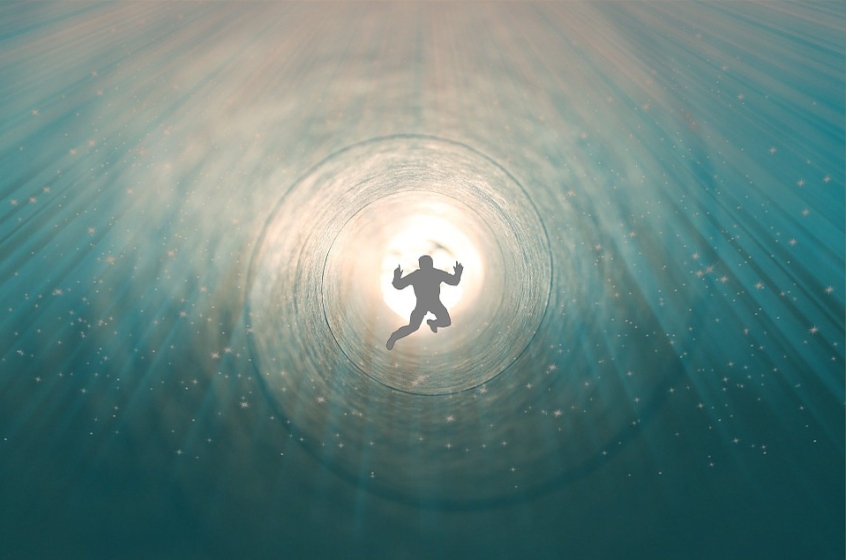
The most remarkable among the patients is a 57-year-old man, who said he could remember accurately what was going on around his body even after he was declared clinically dead. This could be the first ever confirmed outer body experience among humans.
"This is paradoxical, since the brain typically ceases functioning within 20-30 seconds of the heart stopping and doesn't resume again until the heart has been restarted," Parnia explained.
"Furthermore, the detailed recollections of visual awareness in this case were consistent with verified events," he added.
What was more interesting is that nearly half of the respondents recalled having felt a deep sense of fear after suffering from cardiac arrest.
"This is significant, since it has often been assumed that experiences in relation to death are likely hallucinations or illusions occurring either before the heart stops or after the heart has been successfully restarted, but not an experience corresponding with 'real' events when the heart isn't beating," Parnia said.