John 14:1–14
Key verses: John 14: 4–7
'You know the way to the place where I am going.' Thomas said to him, 'Lord, we don't know where you are going, so how can we know the way?'
Jesus answered, 'I am the way and the truth and the life. No one comes to the Father except through me. If you really know me, you will know my Father as well. From now on, you do know him and have seen him.'
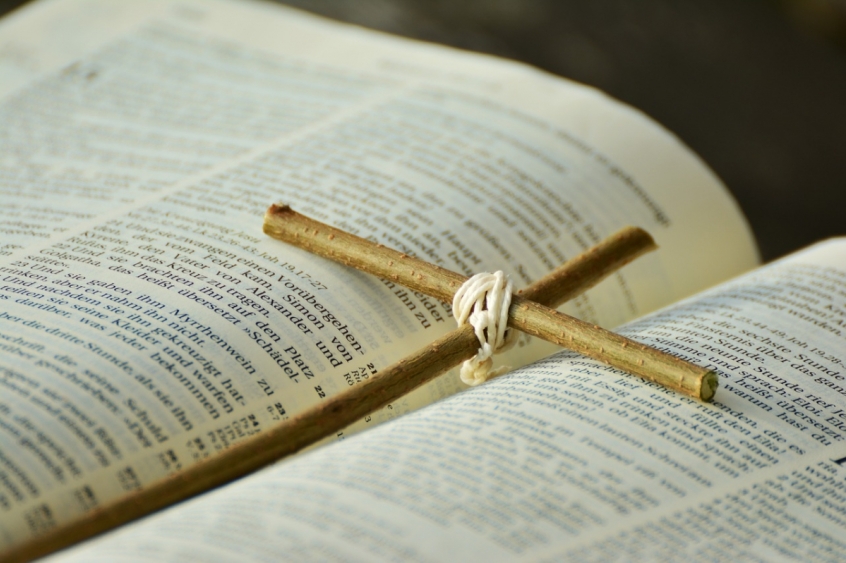
Sometimes we make Christianity sound too complicated. We talk in theological jargon, forgetting that, in essence, Christianity is all about a person – it is all about Christ.
Thomas has been following the conversation around the dinner table and in sheer desperation he blurts out, 'We don't know where you are going, so how can we know the way?' Jesus recognises that explaining the crucifixion is too difficult for the disciples to understand. So instead, he says, 'I want you to focus on me, the person. Let's not talk so much about atonement, reconciliation, redemption. Let's just concentrate on me.'
And then he says the famous words in verse 6: 'I am the way and the truth and the life.' Thomas is asking, 'Is there any way to God?' And Jesus answers, 'I am the way.'
This is the sixth time Jesus uses the phrase 'I am' in John's Gospel. 'I am' is a derivative of Yahweh, Jehovah, and therefore Jesus is using an explosive phrase when he describes himself again and again as 'I am'. He is declaring that he is the eternal God in the flesh. He also attaches a highly significant metaphor. So when he says, 'I am the bread' or 'I am the shepherd', there are huge Old Testament implications.
During this last supper together, Jesus wanted the disciples to know that they could trust him because he was the way to God: because he is the truth, he is reliable; and what flows from him is the life that is for ever, that is unbreakable. Jesus wanted these men to understand that knowing and trusting him is just the same as knowing and trusting God the Father.
Jesus is the way to God, the truth about God and the life of God, because he is God. Today Jesus says to you: I am sufficient. I am sovereign. I am the God who sees you. I am your provider. I am faithful. I am righteous. I am gracious. I am compassionate and merciful. I am eternal. I am your refuge. I am your healer. I am your restorer. I am your defender. I am your rock. I am your redeemer.
Bring your circumstances and needs before him now, and imagine him responding by reminding you that he is 'I am...' Which of his character traits would he want to remind you of today?
This extract has been taken from 'John' by Simon Manchester with Elizabeth McQuoid (IVP, March 2017).