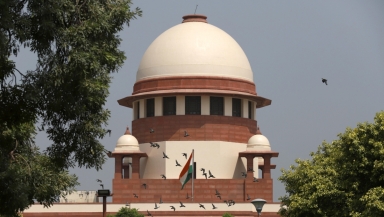
An Indian Supreme Court ruling could deprive Christian converts from among the lowest castes access to affirmative action programmes and other benefits.
India’s Dalits, or “untouchables”, suffer intensive discrimination and marginalisation as a result of the Hindu caste system, although this is alleviated somewhat by constitutional protections that, among other things, reserve spots for them in educational institutions and public services.
Such discrimination leads many Dalits to convert to religions without a caste system, such as Christianity or Islam, however the Supreme Court ruling states that only Hindus, Sikhs or Buddhists can legally be considered members of a “Scheduled Caste”.
The judgment could mean that converts to Christianity will lose access to constitutional protections and affirmative action programmes. Any Christians wishing to regain access to such benefits would have to convert back to Hinduism.
In an odd twist, the Supreme Court quoted the Bible in its ruling: “It may be observed that Christianity, by its very theological foundation, does not recognize or incorporate the institution of caste. The foundational Christian scripture, The New Testament, states: There is neither Jew nor Gentile, neither slave nor free, nor is there male and female, for you are all one in Christ Jesus.”
A local partner of Open Doors said, “The judgment by the Supreme Court is critical - the constitution of India gives citizens the right to freedom of religion. Though the individuals are free to convert, they are limited or have no legal protection against caste discrimination.
“This judgment puts the Christian community in a vulnerable position and fear of more persecution, assault and hatred. Several Dalit and Tribal Christians in the past years have been victims of physical assault, social boycott, hatred and false allegations of forced conversion to Christianity.
"The attacks against them have only increased, and with this judgment, the environment will turn against Christians.”
The Supreme Court ruling came as a result of an appeal for a Christian convert who complained of being assaulted and verbally abused with caste-based insults. An initial High Court ruling stated that the convert could not expect caste-based protections if his own faith did not accept the validity of the caste system.