"Now the point in what we are saying is this:we have such a high priest, one who is seated at the right hand of the throne of the Majesty in heaven, a minister in the holy places, in the true tent that the Lord set up, not man."
Hebrews 8:1-2
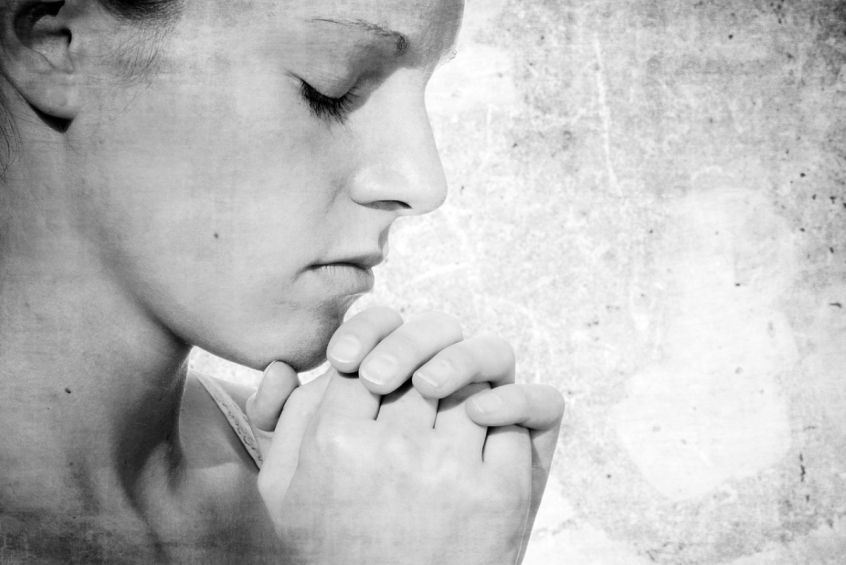
Much of our prayer life can sometimes become about how much faith we have. We think that our prayers are answered when there is maximum faith and minimal doubt in our hearts. Otherwise it's best we try again.
But the power of prayer lies not on our faith, but on the finished work of Christ.
Faith is wonderful, and the Bible says that it is faith that pleases God. But is it also the determinant of whether our prayers get answered and how fast they get answered?
So much of the teachings on prayer nowadays focus on having more and more faith. These teachings say:
● "You should believe God more when you pray for the sick."
● "Stop doubting when you pray for financial provision and God will open the flood gates of heaven."
● "Your family isn't saved yet because when you pray, you don't pray with conviction."
Faith is important and vital to our everyday life. But do we really gain more faith in prayer by believing more and learning to doubt less? Isn't that in essence trying to get our prayers answered by our own strength?
When we think this way, then we fail to realise how faith really comes. Faith comes not by our own ability to believe or our own ability to remove doubts.
We need faith, but sadly many of us have misunderstood faith. We think it's about how much we read the Bible, how much we think about God's goodness, how much we shut out the fear when praying, or how much we cry and kneel when praying. When we think of faith this way, it now becomes faith relying on our attempts and no longer on God's power.
Hebrews 8:1-2 reminds us that it is through Jesus alone that we can now approach God in prayer. He is the high priest that mediates for us and stands on our behalf before the Father to come to His presence and offer worship, gratefulness and petition. That's why we end every prayer by saying "in Jesus' name."
Many believers pray today thinking it's their faithfulness that will get prayers answered. We watch for keywords, traditions and rudiments unawarely thinking that's what will get our prayers answered.
Even the simplest of prayers will be answered when we realise that it's God's faithfulness and not ours that answers prayers.
God's faithfulness to hear and answer our prayers does not depend on our rudiments, our works, or our ability to shut our doubts and fears. It's God that works out our faith and it is His perfect love that casts out our fears.