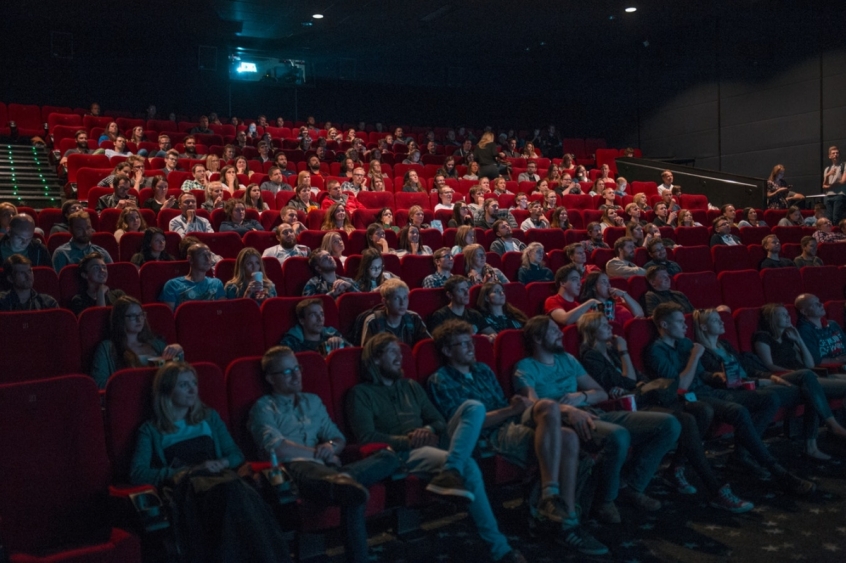
Older people who regularly go to the movies and other cultural events are nearly a third less likely to have depression.
Researchers at University College, London, looked at 2,000 British men and women over the age of 50 and found that the more they went to events like plays, movies, concerts or museum exhibits, the less likely they were to become depressed.
The participants were part of the English Longitudinal Study of Ageing and were tracked over 10 years. None had depression at the start of the study, which compared levels of cultural engagement to experiences of depression.
Researchers found that the risk of developing depression among those who regularly attended cultural events was 32 per cent lower than those who did not and that this reduction was common across age groups, gender, levels of health and income, educational attainment, and exercise habits.
Lead author of the study, Daisy Fancourt, said cultural engagement could trigger the release of dopamine, the part of the brain that gives positive feelings of 'reward' after certain actions.
Fancourt added that the positive 'side effects' of taking part in cultural activities were also likely to play a part in reducing the risk of depression.
'For example, going to concerts or the theater gets people out of the house, which reduces sedentary behaviors and encourages gentle physical activity, which is protective against depression,' she said.
'It also provides social engagement, reducing social isolation and loneliness. Engaging with the arts is stress-reducing, associated with lower stress hormones such as cortisol, and also lower inflammation, which is itself associated with depression.'
The researchers also speculated that the lower risk of depression was likely to correspond to a lower risk of dying early and developing dementia or chronic pain.
Just as eating five-a-day of fruit and veg can be good for the body, Fancourt said people should consider building cultural engagement into their schedules to support healthy ageing.