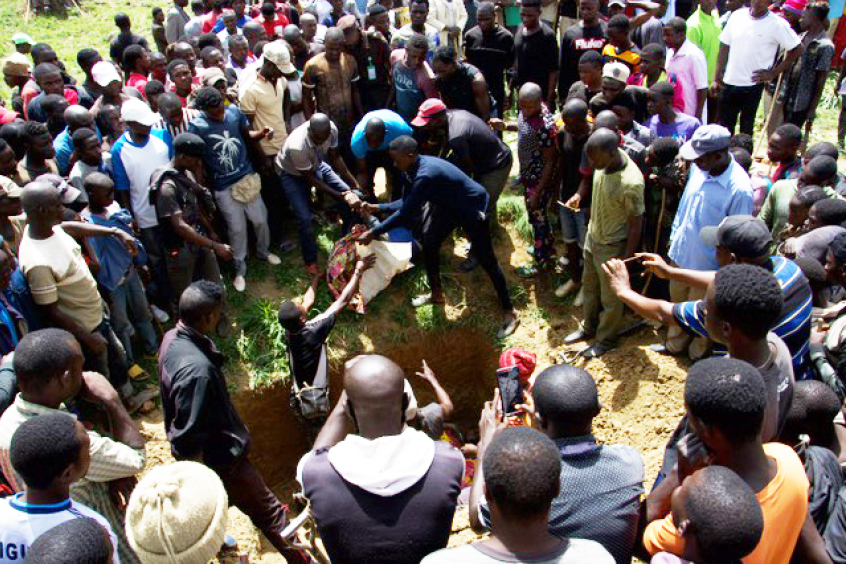
Release International is warning of a "genocide-in-the-making" in Nigeria as attacks continue unabated on Christian villages.
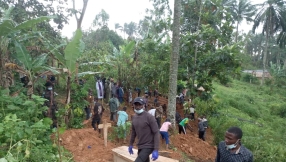
Genocide Watch puts the number of Nigerians killed in violent attacks this year at 5,100, while NGO Intersociety estimates that there is "a daily average of about five Christian deaths".
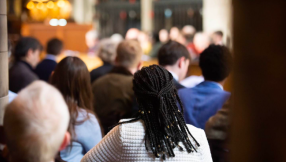
Pastors and churches are being targeted, Release says, while some captured villages have been given Islamic names.
The attacks are concentrated in the North and Middle Belts, and Nigerian journalist Rev Hassan John believes the pattern of violence bears the hallmarks of an undeclared jihad.
"Many are describing this as an unfolding genocide. People are dying every day," he said.
"How many more need to die before the international community recognize this as genocide?"
Rev John warned that armed Fulani herdsmen now have a new weapon - a chemical that accelarates burning and is being used in arson attacks on Christian villages.
"They are using the chemical in petrol bombs," he said.
"We are in the middle of the rainy season now, but this burns even in the rain, and when they throw it into the building it burns right down to the cement.
"It doesn't just burn the metal roofing, it peels away the plaster on the buildings."
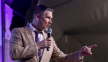
Rev John is supported by Release International in his work helping pastors in communities affected by violence, and is the key speaker at the human rights organisation's online lectures on the situation in Nigeria this week.
He believes much of the violence stems from the implentation of Sharia law in 12 northern states in the 2000s.
"There is a history of jihad and conquest. We see the same modus operandi as in the jihadi conquest of the 1800s playing out all over again," he said.
Rev John thinks the West is turning a blind eye to the religious dimension of the violence for fear of being labelled Islamophobic.
"In the West, people are weary of any conflict that has to do with religion, that mentions Islam or Muslims. That is understandable, coming from the Iraq war and the issue of Islamophobia," he said.
He calls it "simplistic" to think that the violence is merely a tribal dispute over natural resources.
"These attacks destroy villages and kill women and children at night. If it was just a skirmish, how do you explain the death of predominantly women and children?" he said.
"If it was just a clash between Fulani herders and farmers why would they attack a church and set it ablaze and target church leaders and kill them?
"Those who try to dismiss this as an economic struggle over resources brought by climate change have a lot of explaining to do."
Release CEO Paul Robinson is calling on the international community to take action to stop the violence.
"Scarcely a week goes by without reports of attacks against Christian villages. We visit the victims in the displacement camps, many of whom, including children, have appalling machete wounds," he said.
"We call on the international community to investigate the roots of this growing violence, which is looking increasingly like an undeclared jihad and a genocide-in-the-making."