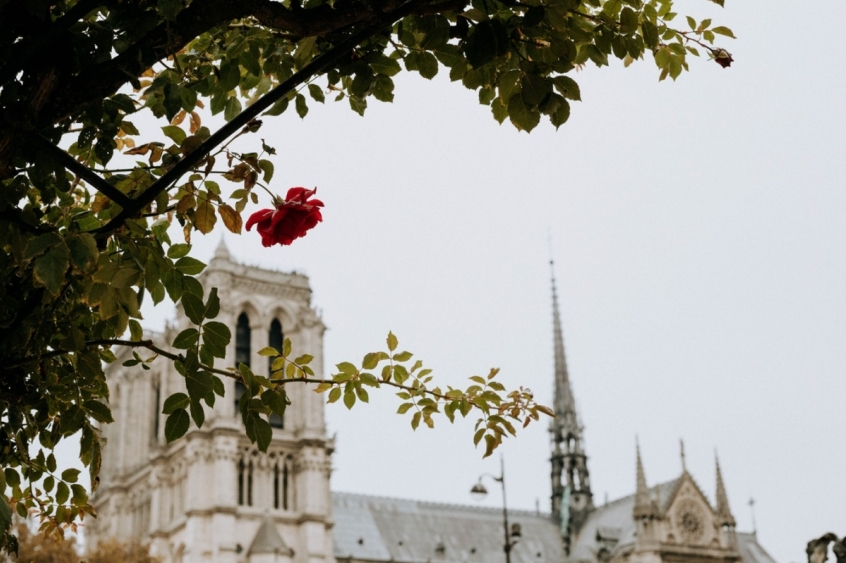
France is to review a cap on the number of people who can attend in-person church services after Catholic bishops complained.
The French government announced last week that the limit on attendance would be set at 30 people, a cap that the bishops said was "unrealistic".
The bishops have argued that rules for businesses are more lenient, and are calling for the restrictions on places of worship to be set at 30 per cent of capacity.
"This announcement is not at all in line with the discussions that have taken place in recent weeks with the ministers concerned," the bishops said, according to the National Catholic Register.
"Indeed, this unrealistic and inapplicable measure is completely disrespectful of the reality of the religious practice of Catholics."
The French Council of State agreed with the bishops and has ordered a review of the rules.
"The claimants are right in saying that the measure is disproportionate in light of protecting the public's health ... thus it is a serious and illegal infringement on the freedom of worship," it said, according to Reuters.
In May, the council ordered the French government to lift a blanket ban on gatherings in places of worship.
At the time, the council said that the ban was "disproportionate in nature" and had caused "damage that was seriously and manifestly illegal".
In other countries, too, there have been legal wrangles over the forced closure of churches during the pandemic.
In the UK, over 120 church leaders are seeking a judicial review over church closures in England and Wales, and in the US, the Supreme Court voted last month to block restrictions on churches in New York State.
"Members of this Court are not public health experts, and we should respect the judgment of those with special expertise and responsibility in this area. But even in a pandemic, the Constitution cannot be put away and forgotten," the court said.
"The restrictions at issue here, by effectively barring many from attending religious services, strike at the very heart of the First Amendment's guarantee of religious liberty."