
It has been recently reported that, "schoolchildren will take self-esteem classes to raise standards and cut crime", according to the Independent on Sunday newspaper
|TOP|With the aim to cut depression, self-harm and anti-social behaviour, around 2,000 pupils at English state schools will take special classes in happiness under a pilot scheme.
"Lessons in happiness are to be introduced for 11-year-olds in state schools to combat a huge rise in depression, self-harm and anti-social behaviour among young people.
"Special behavioural techniques imported from the US will be used from September next year in an attempt to make children more resilient in the face of the pressures of 21st century living."
In other news, Professor Martin Seligman of the University of Pennsylvania in the United States had been drafted in to train British teachers in the subject.
Lessons will include role play designed to help children build up self-esteem, challenge negative ways of thinking and express thoughts clearly.
"They will also be shown special breathing exercises to keep them calm when their parents are arguing and avoid blaming themselves for situations that are beyond their control, for example, the fact their parents may be divorcing."
The Department for Education was expected to evaluate the programme, the newspaper said.
"If it proves as successful as it has been in the US, happiness classes could become part of the regular school timetable.
"The move comes as experts warn that record numbers of young people are on the verge of mental breakdown as a result of family break-up, exam pressures and growing inability to cope with the pressures of modern life," the report said.
|AD|In other news, a Christian-run group in Japan has reported that the demand for its suicide counselling service has soared in recent years.
Telephone crisis counselling service FIND (Federation of Inochi No Denwa) reports that counselling cases in Japan, once sought mainly by young people, reached an all-time high in 2005 at 45,600, reports Ecumenical News International.
“In our early years, counselling to prevent youth suicides took up most of our work, but recently, we're seeing a growing number of suicide crises from middle-aged and elderly people," the Rev. Yukio Saito, FIND executive director told ENI.
According to Focus Adolescent Services, about 5 percent of children and adolescents in the general population suffer from depression at any given point in time.
Children under stress, who experience loss, or who have attentional, learning, conduct or anxiety disorders are at a higher risk for depression. Teenage girls are at especially high risk, as are minority youth.
40% OFF

AZDOME GS63Pro 4K Dash Cam: 40% Off - Ultimate Driving Companion
$47.99 $79.99
60% OFF

Ekouaer Women's Satin Silky Pajama Set - Short Sleeve Pullover Top & Wide-Leg Pants
$13.99 $34.99
40% OFF

ANCHEER 38'' Toddler Trampoline - 150lb Capacity Foldable Mini Trampoline with Adjustable Handle
$47.99 $79.99
55% OFF

Ekouaer 3-Piece Maternity & Nursing Pajamas Set - Short Sleeve Top with Shorts and Pants
$14.99 $32.99
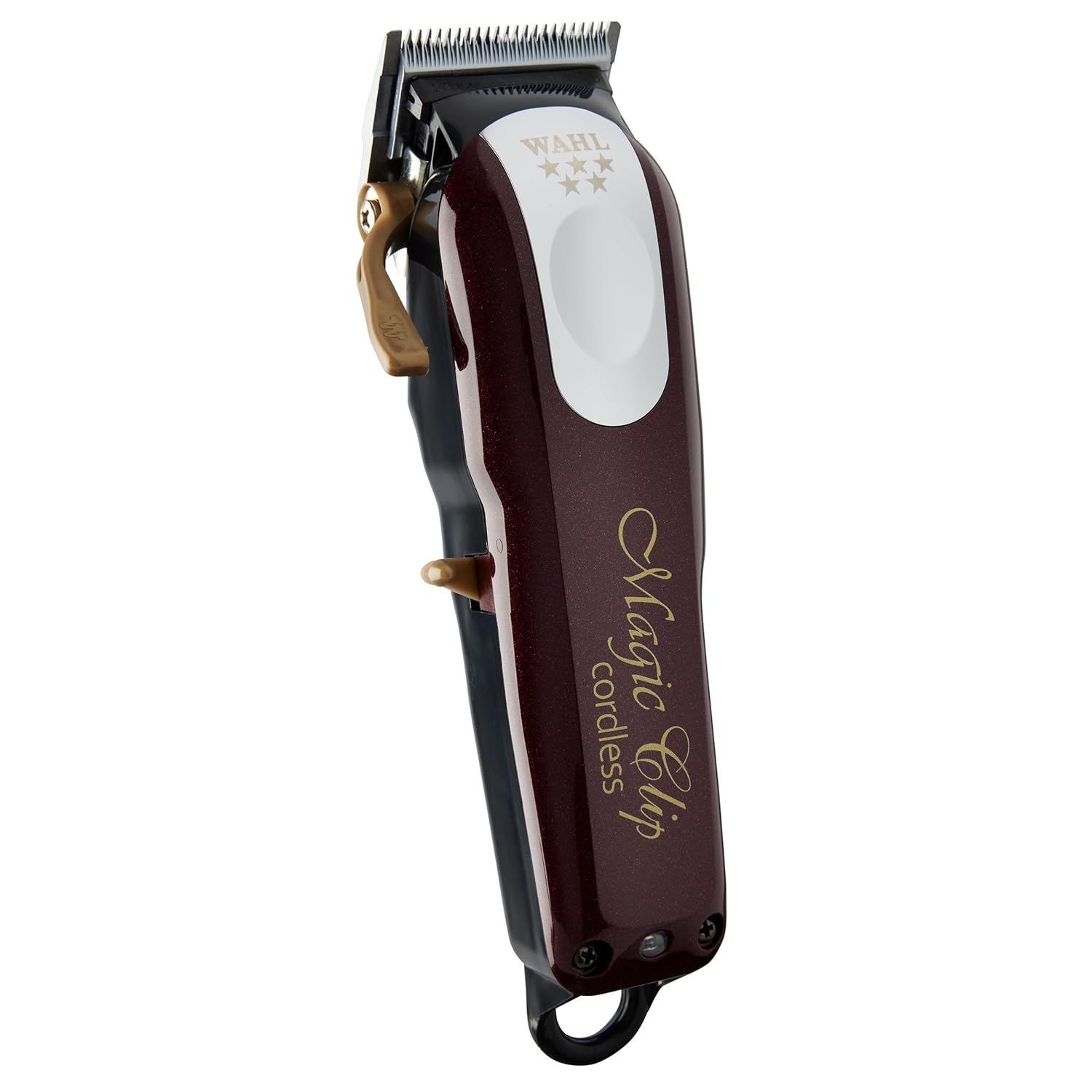
Wahl Professional 5 Star Series Magic Clip Cordless Clipper - Stagger-Tooth Blade Hair Trimmer
$0 $139.99
10% OFF
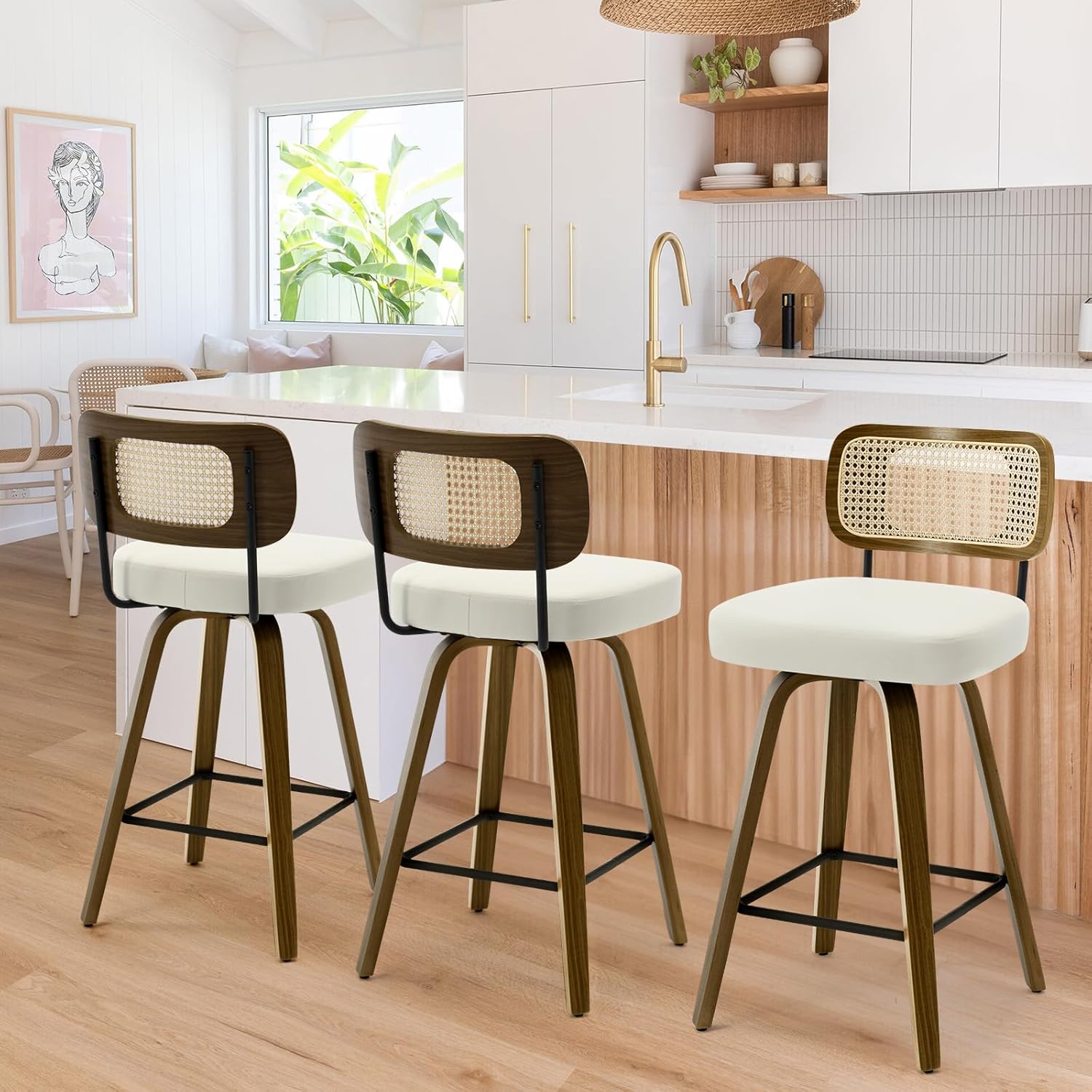
Bekrvio Swivel Counter Height Bar Stools Set of 3 - 26" Mid Century Modern Rattan Back Stools
$223.55 $248.39

Gardner Pet 43" Heavy Duty Dog Crate with Wheels - Indestructible Folding Metal Cage (Black)
$0 $149.99
12% OFF

Elegant Mid-Century Modern Bar Stools - Set of 4
$395.99 $449.99
23% OFF

Ergonomic Office Chair - Big and Tall Desk Chair with Adjustable Lumbar Support
$279.99 $363.99
26% OFF

Magnelex American Flag Windshield Sun Shade - High-Resolution UV Reflective Heat Shield (X-Large)
$19.9 $26.9


-

Understanding the reasons for the conviction of Päivi Räsänen
-
Report warns of continued anti-Christian hostility across Europe during April
-
Christians petition for protection of pastors in Colombia following murders
-
Pastor Greg Locke's 20-year-old son dies from drug overdose
-

Who was Mother Julian of Norwich and why is she important?
-

Young Christians engaging with Bible more, survey finds
Most Popular
related articles
Study Linking Abortion to Mental Disorders Continues to Cause Concern
Study Linking Abortion to Mental Disorders Continues to Cause Concern
Churches Launch Campaign Highlighting Gambling Dangers
Churches Launch Campaign Highlighting Gambling Dangers
Suicide Clinic Wants to Expand, Christians Oppose
Suicide Clinic Wants to Expand, Christians Oppose
Demand for Suicide Counselling Soars, reports Christian Group
Demand for Suicide Counselling Soars, reports Christian Group
News
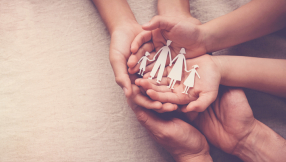
Churches urged to help address UK fostering shortage
Christian charities Home for Good and Safe Families UK are calling on churches across Britain to play a greater role in supporting vulnerable children.

Christians urge UN to keep human rights spotlight on Eritrea
Eritrea is sometimes called the "North Korea of Africa".
Many churches unconcerned about food ethics, survey suggests
A survey conducted on behalf of environmental charity Green Christian has suggested that only a minority of churches take into account ethical concerns when serving food and drink.

Calls for investigation into disappearance of Protestant missionary in southern Mexico
The 79-year-old Protestant missionary has been missing for more than six weeks.
AZDOME GS63Pro 4K Dash Cam: 40% Off - Ultimate Driving Companion
$47.99
Ekouaer Women's Satin Silky Pajama Set - Short Sleeve Pullover Top & Wide-Leg Pants
$13.99
ANCHEER 38'' Toddler Trampoline - 150lb Capacity Foldable Mini Trampoline with Adjustable Handle
$47.99
Ekouaer 3-Piece Maternity & Nursing Pajamas Set - Short Sleeve Top with Shorts and Pants
$14.99
Wahl Professional 5 Star Series Magic Clip Cordless Clipper - Stagger-Tooth Blade Hair Trimmer
$0
Bekrvio Swivel Counter Height Bar Stools Set of 3 - 26" Mid Century Modern Rattan Back Stools
$223.55
Gardner Pet 43" Heavy Duty Dog Crate with Wheels - Indestructible Folding Metal Cage (Black)
$0
Elegant Mid-Century Modern Bar Stools - Set of 4
$395.99
Ergonomic Office Chair - Big and Tall Desk Chair with Adjustable Lumbar Support
$279.99
Magnelex American Flag Windshield Sun Shade - High-Resolution UV Reflective Heat Shield (X-Large)
$19.9