The dream of living in a monastery without the rigours of monastic life could now be a reality.
The Italian government is giving away hundreds of historic buildings, including monasteries, castles, farmhouses and inns for free in an effort to boost overseas visitors and attract investment.
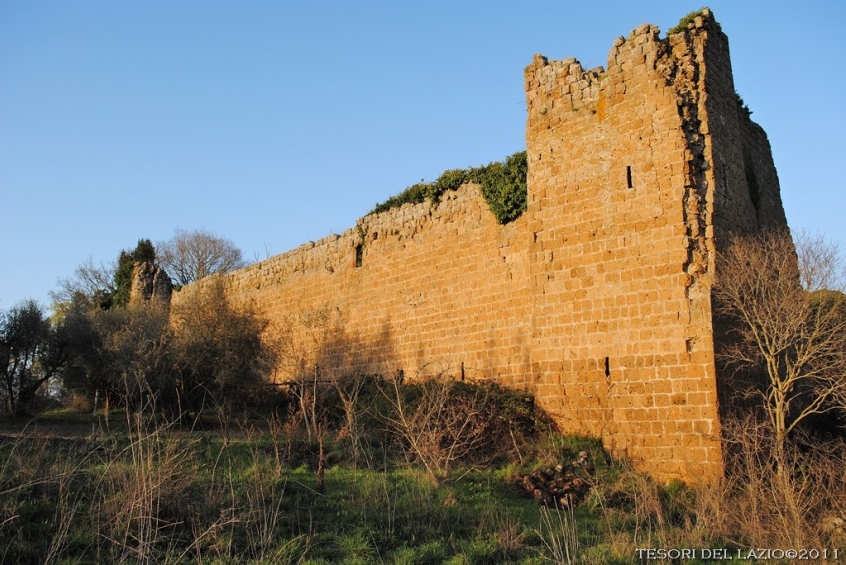
The properties are all in remote locations and include the stunning 13th-century Castello di Montefiore in the Marche regio, Castello di Blera in Lazio and a former school in Puglia.
But the catch is you must be able to prove you will renovate them and turn them into businesses such as hotels or restaurants to promote tourism.
The other downside is applicants have to eligible for Italy's 'art bonus' – a tax relief for local people who make charitable donations to culture. So British people could only apply if they moved to Italy, paid tax there and donated to local art projects.
'The project will promote and support the development of the slow tourism sector,' Roberto Reggi from the State Property Agency told The Local.
'The goal is for private and public buildings which are no longer used to be transformed into facilities for pilgrims, hikers, tourists, and cyclists.'