Coincidences are always suspicious.
But it is just a coincidence, no doubt, that within a week of each other both the Anglican and Methodist churches in England have admitted they are kicking any decision over sexuality into the long grass for at least the next year or two.
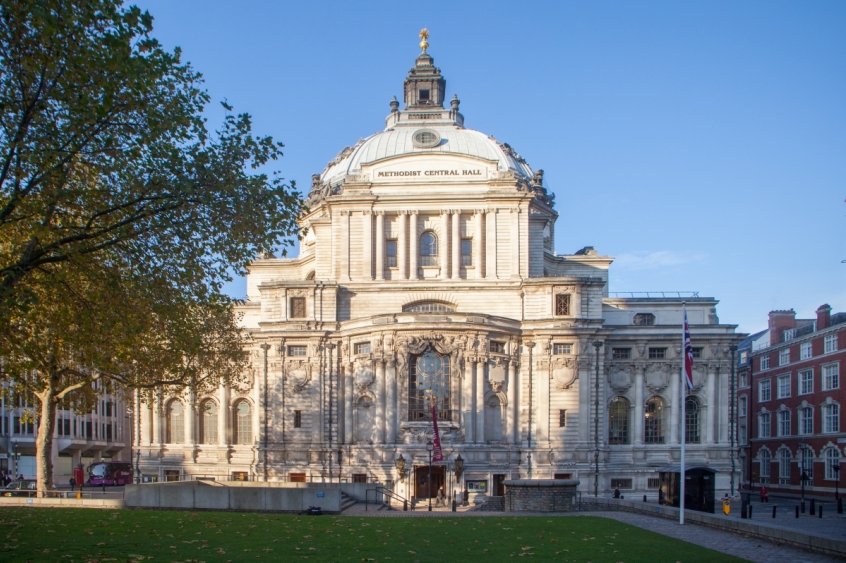
The Methodist Conference had been due to consider a possible redefinition of marriage at its upcoming meeting next month in Nottingham. However Rev Kenneth Howcroft, chair of the task group in charge of the decision, cited 'significant ill-health' among its members and 'significant disruption' because of the relocation, as reasons for the delay.
Similarly the Church of England has put a halt on any motions calling for debate or a change in its stance on sexuality while bishops compile a major new teaching document on the subject – a process expected to last until 2020.
All of this is in the context of the Anglican-Methodist Covenant, part of a move to end 200 years of schism between the two Churches.
The process has been rumbling on since 2003 but reaches a climax in July when the Methodist Conference decides whether to agree to the next stage which would allow Methodist ministers and Anglican priests to interchange freely between the two (Anglicans agreed it in February).
So is the progress, or lack of, on sexuality within the two churches coordinated?
It is possible, but highly unlikely.
What is perhaps a more pressing question is what would happen to the Anglican-Methodist Covenant were either church to change its opposition to gay marriage. Would a sudden change by the Methodist Conference in 2019 or 2020 scupper the long proposed deal?
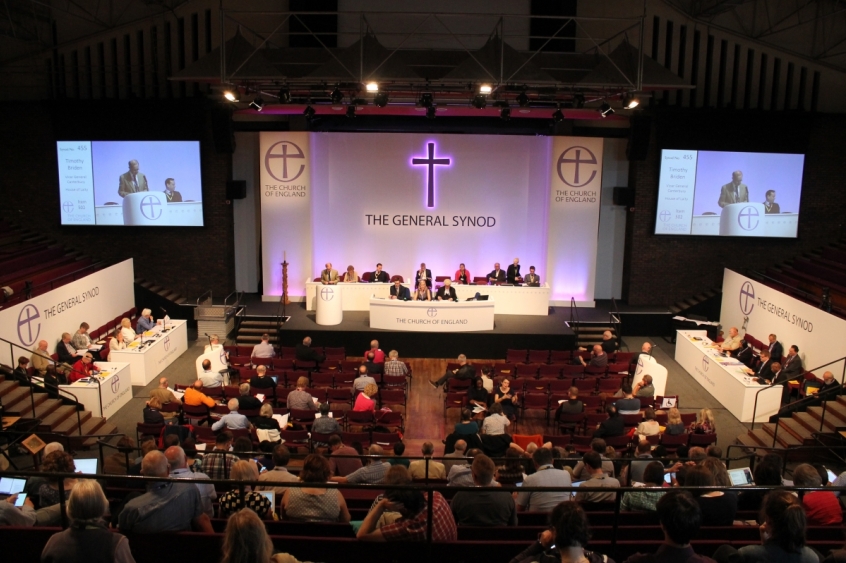
It certainly might make the strong conservative base on the Church of England's ruling general synod less enthusiastic.
But difference in teaching on sexuality is not officially a block on sharing ministry.
The Church of England is already in direct 'communion' with its sister Anglican churches in Scotland and the US. This means that priests in both churches are recognised as such by the Church of England and so they can, as long as the local bishop agrees, come and minister in CofE parishes.
Both the Episcopal Church in the US and the Scottish Episcopal Church permit same-sex marriage, and while they faced sanctions from the wider Anglican Communion, they remain in communion with the CofE.
So it seems that any change on the part of the Methodist Church, which is more likely than the CofE to shift its stance on marriage, would not necessarily mean the Anglican-Methodist Covenant would be scrapped. Whether evangelicals and Anglo-Catholics within the CofE would see it as simply as that is another matter.
It's clear though that if Methodists do change their teaching on marriage, it would be a setback for the vision held by some in both Churches of a formal reunion between the two, divided as they were by Anglican resistance to John Wesley's theology and methodology. Ecumenical considerations add yet another layer of complexity to one of the most difficult questions facing either Church today.