
Christian Aid and National Museums Liverpool have commissioned an original sculpture from a group of Haitian artists representing their continuing struggle for freedom and human rights.
The Freedom! sculpture will be unveiled on 26 February in Liverpool's Merseyside Maritime Museum and will then tour the country, taking in London and Bristol.
The work will then return to Liverpool where it will remain on permanent display in the new International Slavery Museum, which opens on 23 August.
The Freedom! sculpture, made out of recycled objects such as metal car parts and raw junk found in the dangerous slums of Haiti's capital, Port-au-Prince, was created by young Haitians and sculptors Eugène, Céleur and Guyodo from Atis Rezistans in collaboration with Mario Benjamin, an internationally renowned Haitian artist who has represented his country at biennials in Venice, São Paulo and Johannesburg.
Despite the fact that Parliament abolished the slave trade in Britain 200 years ago, global inequalities still exist today, Christian Aid reports.
As a result of the first successful slave revolt, Haiti became the first black republic. However, because of unfair terms of trade and hefty international debt repayments, Haiti is the poorest country in the western hemisphere with 82 per cent of the rural population living below the poverty line according to the UN while 70 per cent of the population is unemployed.
David Fleming, Director of National Museums Liverpool, said "This remarkable sculpture is an important work of art in its own right, but it also symbolises the links between the historic transatlantic slave trade and contemporary issues of freedom, enslavement and global inequalities. It is fitting that its permanent home will be in the International Slavery Museum, due to open on the anniversary of the revolution which created Haiti, the world's first independent Black republic."
Unfair terms of global trade make it impossible for local farmers to compete with food imports from richer countries. Haiti is a stark example of this kind of economic injustice, which makes many thousands of people flood into the cities to find jobs. But few find work and with no source of income many succumb to the temptation to use guns as a means of survival.
To incorporate a sense of what freedom and slavery mean to people in Haiti today, the artists held workshops with young people benefiting from the work of APROSIFA, a Christian Aid-supported organisation in Haiti set up to provide basic education, run health clinics and work towards an end to gang fighting.
Ronald Cadet, one of the young collaborators said: "People don't have chains on their arms and legs now, but people still have chains in their minds. When you have problems getting enough food, housing and education, you are not living in a free country."
40% OFF

AZDOME GS63Pro 4K Dash Cam: 40% Off - Ultimate Driving Companion
$47.99 $79.99
60% OFF

Ekouaer Women's Satin Silky Pajama Set - Short Sleeve Pullover Top & Wide-Leg Pants
$13.99 $34.99
40% OFF

ANCHEER 38'' Toddler Trampoline - 150lb Capacity Foldable Mini Trampoline with Adjustable Handle
$47.99 $79.99
55% OFF

Ekouaer 3-Piece Maternity & Nursing Pajamas Set - Short Sleeve Top with Shorts and Pants
$14.99 $32.99
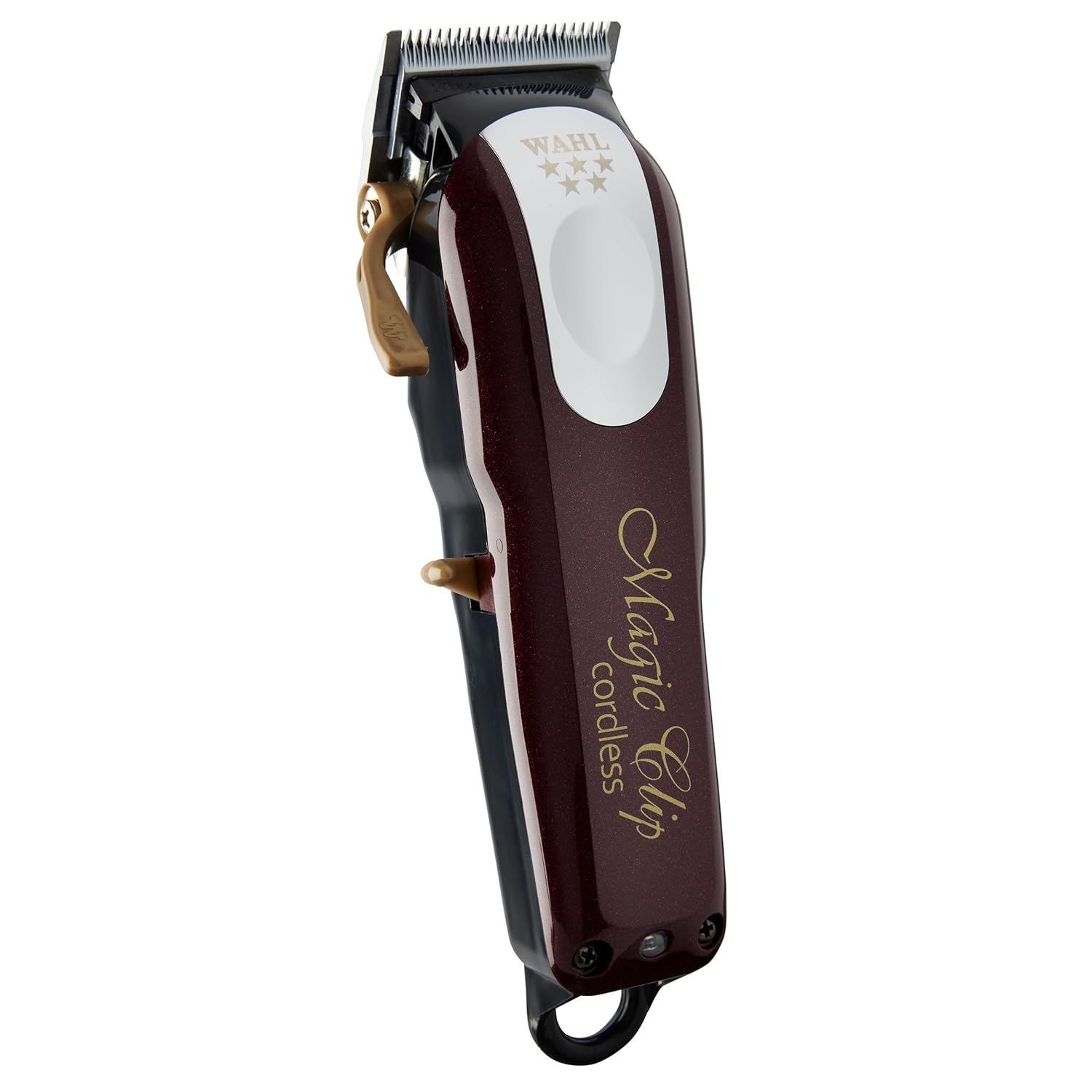
Wahl Professional 5 Star Series Magic Clip Cordless Clipper - Stagger-Tooth Blade Hair Trimmer
$0 $139.99
10% OFF
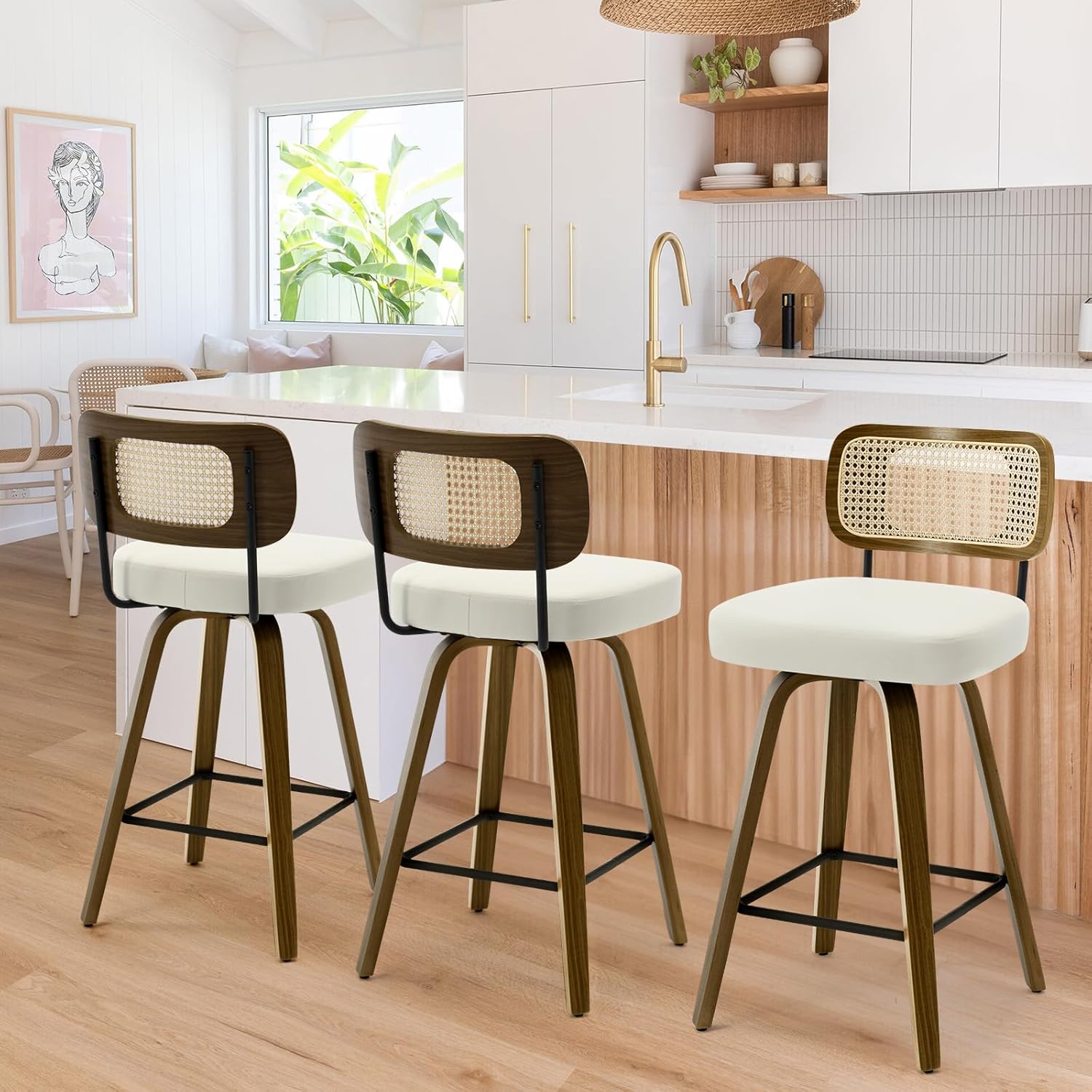
Bekrvio Swivel Counter Height Bar Stools Set of 3 - 26" Mid Century Modern Rattan Back Stools
$223.55 $248.39

Gardner Pet 43" Heavy Duty Dog Crate with Wheels - Indestructible Folding Metal Cage (Black)
$0 $149.99
12% OFF

Elegant Mid-Century Modern Bar Stools - Set of 4
$395.99 $449.99
23% OFF

Ergonomic Office Chair - Big and Tall Desk Chair with Adjustable Lumbar Support
$279.99 $363.99
26% OFF

Magnelex American Flag Windshield Sun Shade - High-Resolution UV Reflective Heat Shield (X-Large)
$19.9 $26.9




-

'Dark day' as retired pastor is convicted for preaching John 3:16 near abortion facilities
-

Understanding the reasons for the conviction of Päivi Räsänen
-

Report warns of continued anti-Christian hostility across Europe during April
-
Christians petition for protection of pastors in Colombia following murders
-

Pastor Greg Locke's 20-year-old son dies from drug overdose
-

Church of England leaders must do more to support British Jews
Most Popular
related articles
Britain's Greenhouse Gas Contribution 7 Times Higher Than Estimated
Britain's Greenhouse Gas Contribution 7 Times Higher Than Estimated
Christian Aid Urges Morrisons & Barclays Over Climate Change
Christian Aid Urges Morrisons & Barclays Over Climate Change
Britain Responsible for 15% of Carbon Output, says Christian Aid
Britain Responsible for 15% of Carbon Output, says Christian Aid
News

Let’s encourage our churches to support and pray for their elected representatives
Last week’s elections confirm that people have lost trust in both the system and the politicians - and the fragmentation that exists in British politics.

Church of England celebrates continued post-pandemic growth
The Church said it was encouraged by five years in a row of growth while acknowledging that growth, attendance and participation remain below pre-pandemic levels.

Christians among main victims of Islamist violence in eastern DRC
Christians in eastern Democratic Republic of Congo (DRC) are facing escalating violence from an Islamic State-linked militant group accused of massacres, abductions and systematic terror attacks across villages and churches, according to a major new Amnesty International report.

World Cup 2026 mission campaign aims to mobilise 10,000 churches
Evangelism and discipleship ministry Cru is hoping to mobilise 10,000 churches to spread the gospel during this summer’s World Cup taking place in the US, Canada and Mexico.
AZDOME GS63Pro 4K Dash Cam: 40% Off - Ultimate Driving Companion
$47.99
Ekouaer Women's Satin Silky Pajama Set - Short Sleeve Pullover Top & Wide-Leg Pants
$13.99
ANCHEER 38'' Toddler Trampoline - 150lb Capacity Foldable Mini Trampoline with Adjustable Handle
$47.99
Ekouaer 3-Piece Maternity & Nursing Pajamas Set - Short Sleeve Top with Shorts and Pants
$14.99
Wahl Professional 5 Star Series Magic Clip Cordless Clipper - Stagger-Tooth Blade Hair Trimmer
$0
Bekrvio Swivel Counter Height Bar Stools Set of 3 - 26" Mid Century Modern Rattan Back Stools
$223.55
Gardner Pet 43" Heavy Duty Dog Crate with Wheels - Indestructible Folding Metal Cage (Black)
$0
Elegant Mid-Century Modern Bar Stools - Set of 4
$395.99
Ergonomic Office Chair - Big and Tall Desk Chair with Adjustable Lumbar Support
$279.99
Magnelex American Flag Windshield Sun Shade - High-Resolution UV Reflective Heat Shield (X-Large)
$19.9