
Christian Aid partner SOS Habitat has invited national and international media, ambassadors, EU and UN representatives to visit them in the makeshift camp in the suburbs of Angola's capital Luanda, from 15-20 August.
|TOP|Over 300 families who have been living in the Cambamba 1 and 2 neighbourhoods of Luanda for more than 20 years were forced to leave their homes in March 2006, as armed police and bulldozers tore down their homes and buried their possessions to make way for a new housing development.
The families have received no compensation for the destruction of their homes, with no plans to re-house them.
SOS Habitat want people to see for themselves the appalling conditions there, and to hear first-hand from poor families who were forced from their homes at gunpoint.
“We want those in power to see the cruel and degrading conditions these families are living in, and to face up to their responsibilities," says SOS Habitat co-ordinator Luis Araujo.
“These people have been treated like human rubbish, instead of Angolan citizens,” added Araujo, drawing parallels with last year's wave of evictions and home demolitions in Zimbabwe, which left 700,000 homeless and/or without a job.
The operation there was called Murambatsvina, meaning 'drive out the rubbish'.
Cambamba's former residents now live in shelters of tin and torn sackcloth in a makeshift camp, as families sleep huddled together on the floor in the midst of a cold winter.
|AD|Many children have grown sick sick, and most of those who used to go to school can no longer attend, as their registration documents were buried in the rubble of their homes.
The families can now see the smart new apartments being built under the new housing project, called Nova Vida (New Life), where homes there are worth up to 500,000 US dollars.
SOS Habitat uses peaceful and legal means to protect poor people's housing rights, opposing illegal evictions and demolitions.
But during recent months their work has been hampered by arrests, detentions, beatings, verbal abuse and the confiscation of equipment.
“If the people we've invited don't come, it shows their complicity,” says Araujo, “People can't keep sitting in their air-conditioned offices with their eyes closed. They need to see the reality and to face up to their responsibilities.
“British companies are working in Angola, they should pay attention to the way our government is treating its own people.”
60% OFF
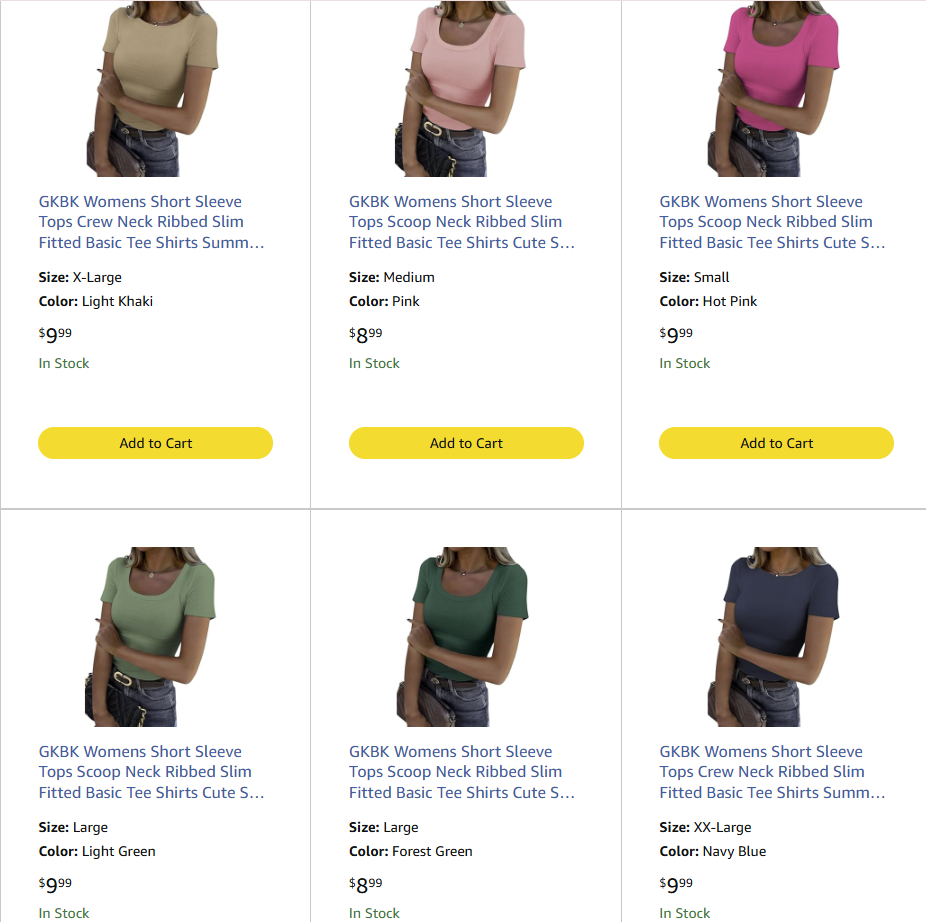
GKBK Women’s Ribbed Short Sleeve Scoop Neck Slim Fit Tee – Stretchy Basic Summer Top 2026 Trendy Outfit Essential
$4 $9.99
75% OFF
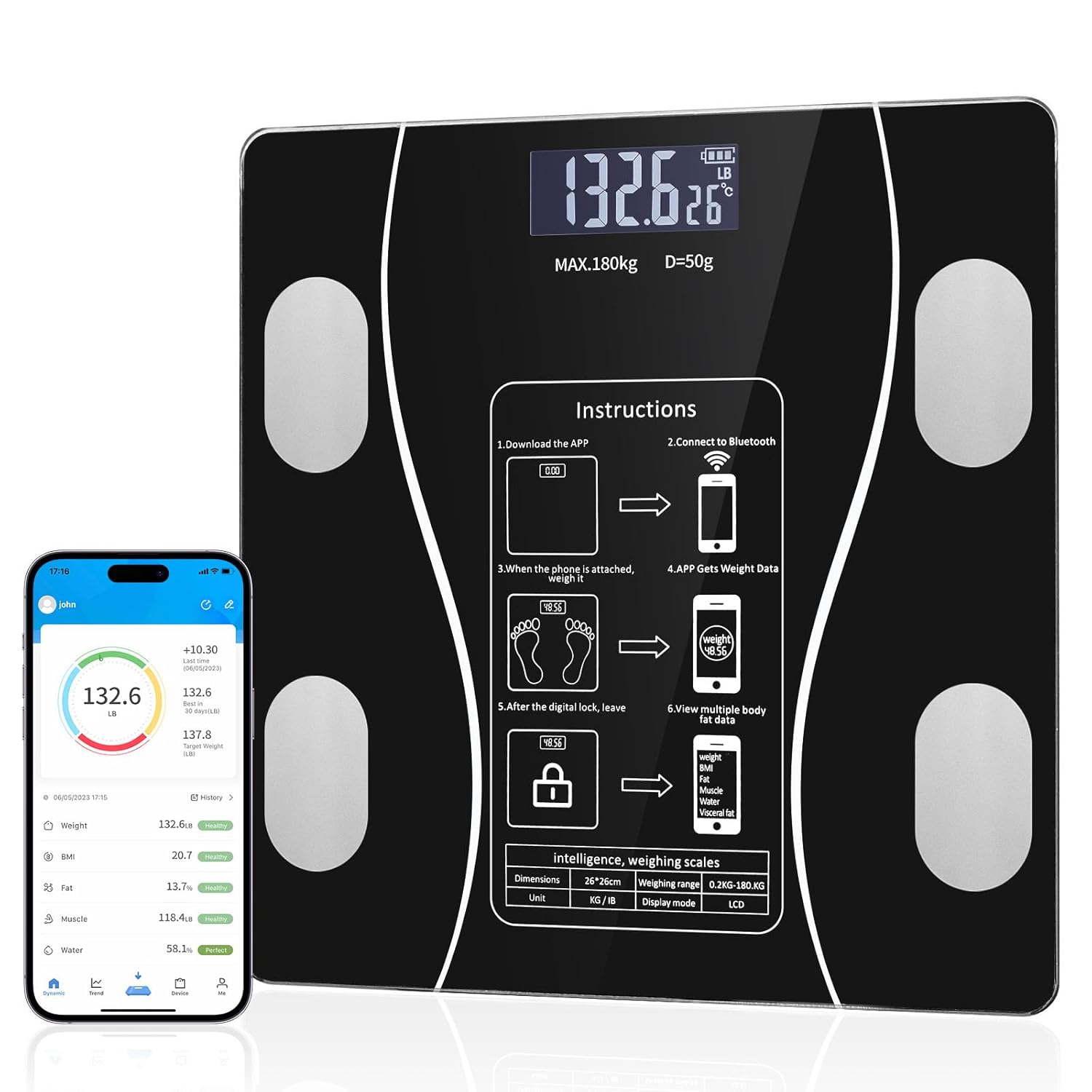
Bluetooth Smart Scale for Body Weight - 13 Health Metrics with BMI and Muscle Mass (Black)
$19.99 $79.96
40% OFF

AZDOME GS63Pro 4K Dash Cam: 40% Off - Ultimate Driving Companion
$47.99 $79.99
60% OFF

Ekouaer Women's Satin Silky Pajama Set - Short Sleeve Pullover Top & Wide-Leg Pants
$13.99 $34.99
40% OFF

ANCHEER 38'' Toddler Trampoline - 150lb Capacity Foldable Mini Trampoline with Adjustable Handle
$47.99 $79.99
55% OFF

Ekouaer 3-Piece Maternity & Nursing Pajamas Set - Short Sleeve Top with Shorts and Pants
$14.99 $32.99
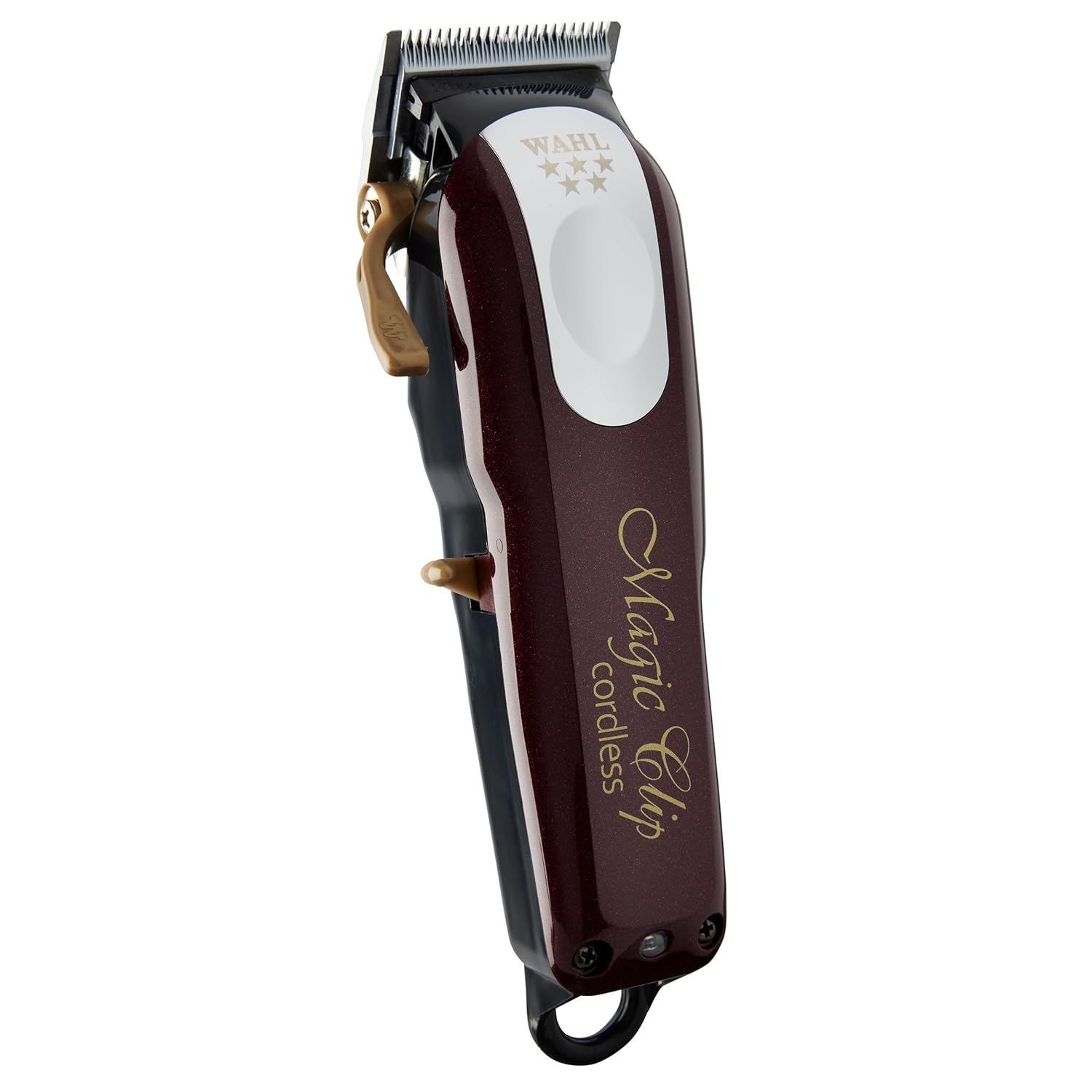
Wahl Professional 5 Star Series Magic Clip Cordless Clipper - Stagger-Tooth Blade Hair Trimmer
$0 $139.99
10% OFF
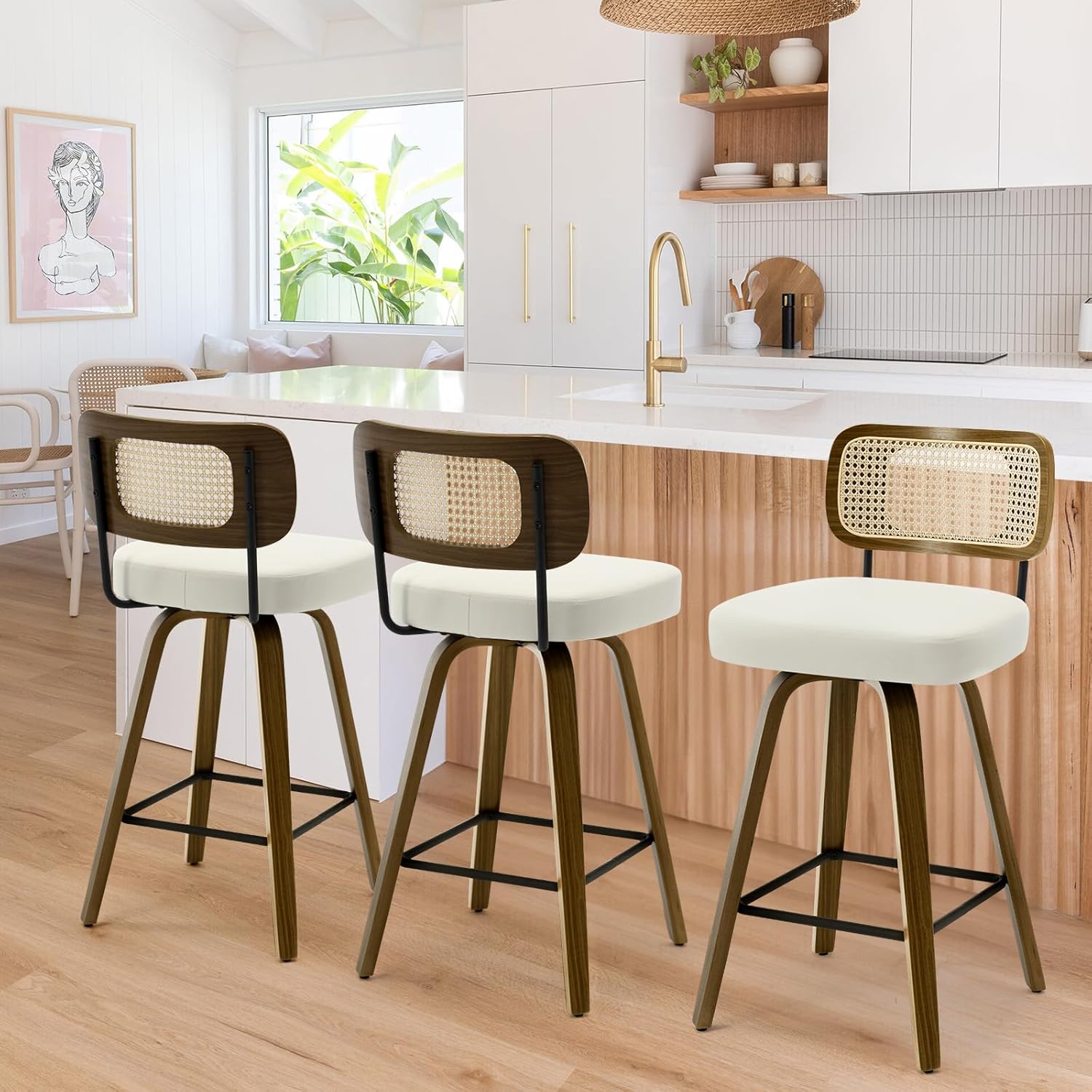
Bekrvio Swivel Counter Height Bar Stools Set of 3 - 26" Mid Century Modern Rattan Back Stools
$223.55 $248.39

Gardner Pet 43" Heavy Duty Dog Crate with Wheels - Indestructible Folding Metal Cage (Black)
$0 $149.99
12% OFF

Elegant Mid-Century Modern Bar Stools - Set of 4
$395.99 $449.99



-

Understanding the reasons for the conviction of Päivi Räsänen
-

Report warns of continued anti-Christian hostility across Europe during April
-
Pastor Greg Locke's 20-year-old son dies from drug overdose
-

Young Christians engaging with Bible more, survey finds
-

Seismic elections in the UK – the good, the bad and the ugly
-

Jonathan Fletcher found to have indecently assaulted man
Most Popular
related articles
Christian Aid Presents SAVE at International Aids Conference
Christian Aid Presents SAVE at International Aids Conference
Christian Aid Prepares Ethiopia Aid as Floods Leave 600 Dead
Christian Aid Prepares Ethiopia Aid as Floods Leave 600 Dead
Faith Groups Increase Influence at AIDS Summit, Still Underrepresented
Faith Groups Increase Influence at AIDS Summit, Still Underrepresented
News
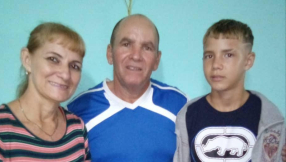
Cuban pastor's son at risk following months-long detention
The family has long been a target for Cuban authorities
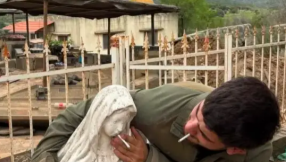
IDF soldiers jailed for desecrating statue of Mary
It's not the first time IDF soldiers have been disrespectful of Christian sites.
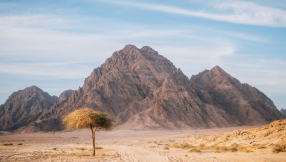
Why did the Lord speak to Moses in the desert?
Numbers 1:1 goes: ‘And the Lord spoke to Moses in the Sinai desert.’ But why is the desert the best place to receive this teaching?

Labour presses on with controversial plans to ban 'conversion therapy'
Critics of the plans fear that ordinary Christian practices will be criminalised.
GKBK Women’s Ribbed Short Sleeve Scoop Neck Slim Fit Tee – Stretchy Basic Summer Top 2026 Trendy Outfit Essential
$4
Bluetooth Smart Scale for Body Weight - 13 Health Metrics with BMI and Muscle Mass (Black)
$19.99
AZDOME GS63Pro 4K Dash Cam: 40% Off - Ultimate Driving Companion
$47.99
Ekouaer Women's Satin Silky Pajama Set - Short Sleeve Pullover Top & Wide-Leg Pants
$13.99
ANCHEER 38'' Toddler Trampoline - 150lb Capacity Foldable Mini Trampoline with Adjustable Handle
$47.99
Ekouaer 3-Piece Maternity & Nursing Pajamas Set - Short Sleeve Top with Shorts and Pants
$14.99
Wahl Professional 5 Star Series Magic Clip Cordless Clipper - Stagger-Tooth Blade Hair Trimmer
$0
Bekrvio Swivel Counter Height Bar Stools Set of 3 - 26" Mid Century Modern Rattan Back Stools
$223.55
Gardner Pet 43" Heavy Duty Dog Crate with Wheels - Indestructible Folding Metal Cage (Black)
$0
Elegant Mid-Century Modern Bar Stools - Set of 4
$395.99