Evangelicals in the Methodist Church have been strongly encouraged by a gay celibate Christian to fight attempts to change the Church's historic position on marriage.
The Methodist Church is considering allowing gay weddings and celebrations for unmarried cohabiting couples in its chapels. The introduction of a new liturgy for divorcing couples is also on the table.
The proposals are being debated by regional Methodist circuits ahead of a final vote at the next Conference in summer 2020.
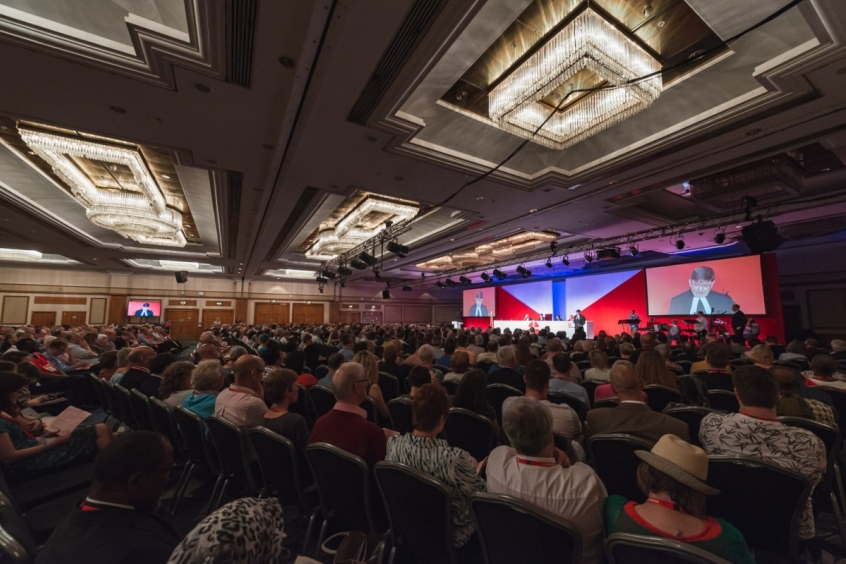
David Bennett, author of A War of Loves and a gay celibate Christian, made an impassioned plea to Methodist evangelicals meeting in London to challenge the proposals.
Sharing his testimony, Bennett, spoke of how he came out to his Christian parents as a teenager and became an atheist gay activist dedicated "to destroying Christianity".
But following his dramatic and unexpected conversion to Christianity, he gave up same-sex relationships with men and is now a Fellow at the Oxford Centre for Christian Apologetics (OCCA).
Addressing a meeting of Methodist Evangelicals Together, he contested the common argument that the Church should embrace same-sex marriage out of love for gay people.
"Changing the doctrine of marriage is actually abandoning love for LGBTQI people because it is depriving them of what is actually spiritually real," he said.
"It is an insult to the love of LGBTQI people and I'm going to say that strongly today because no one else is willing to say it.
"If my church had changed its teaching on marriage, I would not have found the legitimate Gospel life that I now live that is 150 per cent better than anything I have ever experienced in the world.
"People are suffering because we will not stand up and love them and tell them the truth.
"It's not about ramming some legalistic doctrine down people's throats. It's about actually caring about them and having a heart that wouldn't deprive them of what is spiritually real and spiritually true."
He said that so often today, the debate in churches around homosexuality was being wrongly presented as a choice between gay people and God.
Instead, he said it was possible to genuinely love gay and trans people while maintaining biblical truths.
But he added that caring for the LGBT community would require more praying and less shouting.
"It's not just about some abstract political issue where we all have to stand up and fight the 'evil liberals'," he said.
"This is about something much deeper. It's about the very nature of the love of God."
He continued: "Something I've come to realise is just the amount of prayer this requires, church.
"We haven't been praying. We've been doing a lot of shouting. It's time to pray. It's time to get on our knees for the LGBTQI community and pray for them."
Dr Bart Woodhouse, pastor of Ebbsfleet Community Church, said it was important that Methodist evangelicals continue to challenge the proposals.
"We could be cynical and feel it's a foregone conclusion," he said.
"But we as evangelicals need to raise our voices loudly and be a prophetic voice to the Church at this time."