Dr Irene Lancaster's article (Tuesday, January 16) asks whether 'on the evidence, Bishop Bell is guilty of child abuse as charged, or simply a victim of the workings of the Church of England?'.
It is important to point out that the review by Lord Carlile, commissioned by the Church, was into the handling of a civil claim against Bishop George Bell which had concluded on the balance of probabilities that Carol, who brought the allegation of abuse, was a credible witness. Therefore the Church agreed to settle.
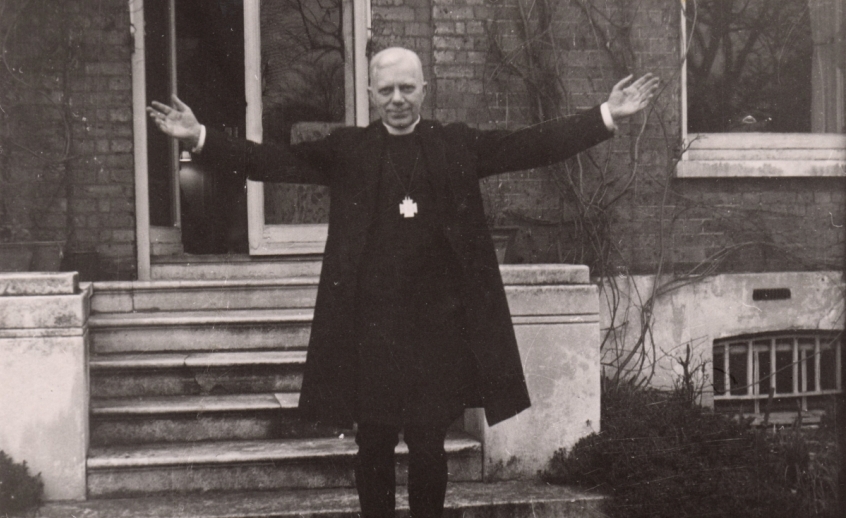
In my statement when the report was published last month I said that the Church has always affirmed and treasured Bishop Bell's principled stand in the Second World War and his contribution to peace remains extraordinary. Yet at same time, we have a duty and commitment to listen to those reporting abuse, to guard their confidentiality, and to protect their interests. We recognise that Carol (who brought the allegation of abuse) has suffered pain, as have surviving relatives of Bishop Bell. We are sorry that the Church has added to that pain through its handling of this case.
Lord Carlile's review looked at our processes (as set out in the terms of reference) and concluded they were deficient in a number of respects. We have apologised for this. The Church's National Safeguarding Steering Group (NSSG) accepted the main thrust of his recommendations but differed on the issue of confidentiality as the review stated that 'where as in this case the settlement is without admission of liability, the settlement generally should be with a confidentiality provision'. We would look at each case on its merits but generally would seek to avoid confidentiality clauses.
In respect of the allegations against George Bell, had we imposed a confidentiality clause we would at some stage be facing the accusation that we had kept a survivor/complainant quiet to protect the reputation of one of our bishops. The review was about our processes; Lord Carlile states he has no doubt the Church acted in good faith.
Together with the Archbishop of Canterbury and the Bishop of Chichester, we have accepted the criticisms in Lord Carlile's report that our processes were deficient in a number of respects. But while accepting the main thrust of almost all his recommendations we have respectfully differed on this one around confidentiality.
Bishop Bell remains a man who did great things in his life but we should remember, not only Bishop Bell, but also Carol who emerges from this report as a person of dignity and integrity, and her welfare must continue to be fully respected.
Rt Rev Peter Hancock is Bishop of Bath and Wells and the Church of England's lead bishop for safeguarding.