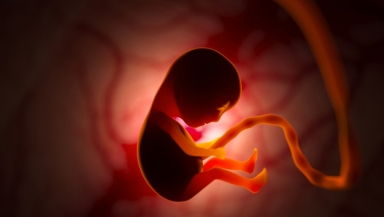
A Bill on fetal sentience has had its first reading in the House of Lords this week.
The Foetal Sentience Committee Bill was introduced by Lord Moylan and seeks to "make provision for a Foetal Sentience Committee to review current understanding of the sentience of the human foetus and to inform policy-making; and for connected purposes".
In 2020, the All Party Parliamentary Pro-Life Group published a report summarising developments in medical science and academic research that included evidence that babies can feel pain in the womb, possibly as early as 12 weeks.
Pre-born babies undergoing NHS surgery for spina bifida are given pain relief from 20 weeks onwards, but this is not provided for babies being aborted at the same stage of gestation.
Today, more babies are surviving an extremely premature birth and guidance from the British Association of Perinatal Medicine permits doctors to intervene in the saving of babies born at 22 weeks.
Welcoming the bill's first reading, pro-life group Right to Life UK said it was "significant given the rapid developments in scientific knowledge relating to the development of the unborn child as well as developments in medical science since the Abortion Act was passed in 1967, and the abortion time limit was last changed over 30 years ago in 1990".
Right to Life spokesperson Catherine Robinson said: "Experts are increasingly providing evidence that suggests that unborn babies may feel pain from as early as 12 weeks gestation, well before our current 24-week abortion limit. Such evidence should be taken into account in our abortion law and when the Government is developing policy."